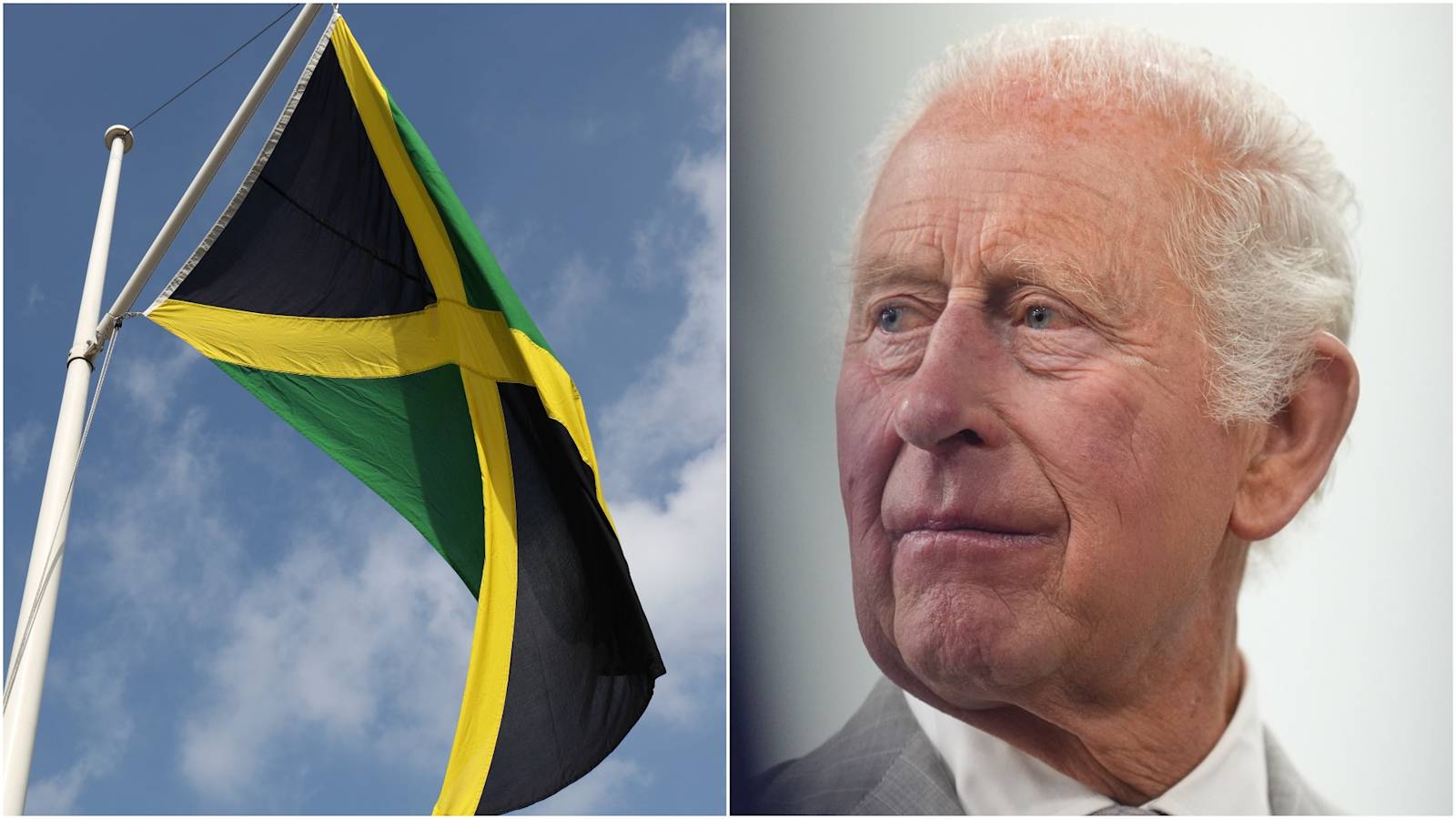
The Jamaican government has presented a slavery reparation petition to the King questioning the legality of Britain’s involvement in the slave trade.
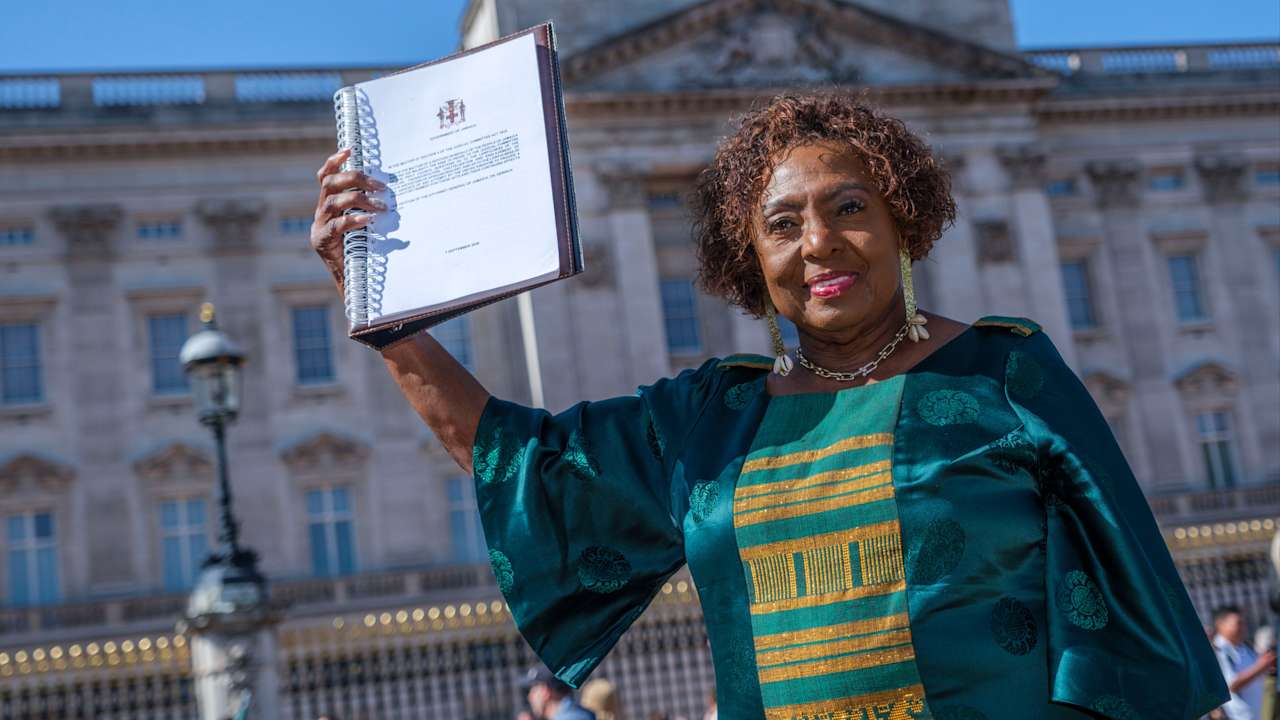
Politicians travelled to London to deliver the petition to the King, which asks him to request advice from the Judicial Committee of the Privy Council, the Caribbean island’s highest court of appeal, on three questions related to chattel slavery.
Chattel slavery is the ownership of people as property, meaning they can be bought, sold or traded with no legal rights or wage.
ITV News takes a deeper look.
Why is this petition significant?
An estimated 12.5 million African people were forcibly taken by European nations between the 16th and 19th centuries and forced into slavery.
Those who survived the trip across the Atlantic Ocean were enslaved on plantations in places like the Caribbean and the Americas, under brutal conditions.
In recent years, the UK government has declined to pay amends or issue an official apology for Britain’s role in the slave trade, despite growing numbers of Caribbean leaders calling for various measures, including debt cancellations.
Jamaica’s petition marks the first time a Commonwealth state is using such a legal route for what the delegation has called “the cause of reparatory justice”.
The officials are also meeting with the British Museum to discuss the return of cultural artefacts taken from the first Jamaican people.
What does the petition say?
Olivia Grange, Jamaica’s minister of culture, gender, entertainment and sport, is leading the petition, which is made up of three questions.
The first asks whether it was a breach of international law to seize Africans and forcibly transport them to Jamaica as slaves, and the second asks if the UK is legally obliged to provide reparation to the people of Jamaica.
The third questions whether the forced transportation and enslavement of Africans as chattel was ever lawful under English law.
Why is the petition being submitted now?
When slavery was abolished across most of the empire in 1833, the British government paid £20 million in compensation to slave owners.
At the time this amounted to 40% of the Treasury’s annual income, forcing them to take out massive loans to raise funds. The debts were only finally paid off in 2015.
Now Jamaica wants answers about whether slavery was legal and if the UK should be held accountable.
Monday’s visit to London coincides with the anniversary of the 1781 Zong Massacre, when British enslavers killed 130 enslaved Africans by throwing them off the ship Zong on the way to Jamaica and then claimed insurance for their deaths.
Olivia Grange said: “Over the years, we have commemorated that atrocity. And so we timed our visit here to coincide with the anniversary which we commemorated yesterday (Sunday) at a church service.”
She said her team had been working on a reparatory justice programme and is now ready to “test the legal process in getting answers”.
Why is the petition going to the King?
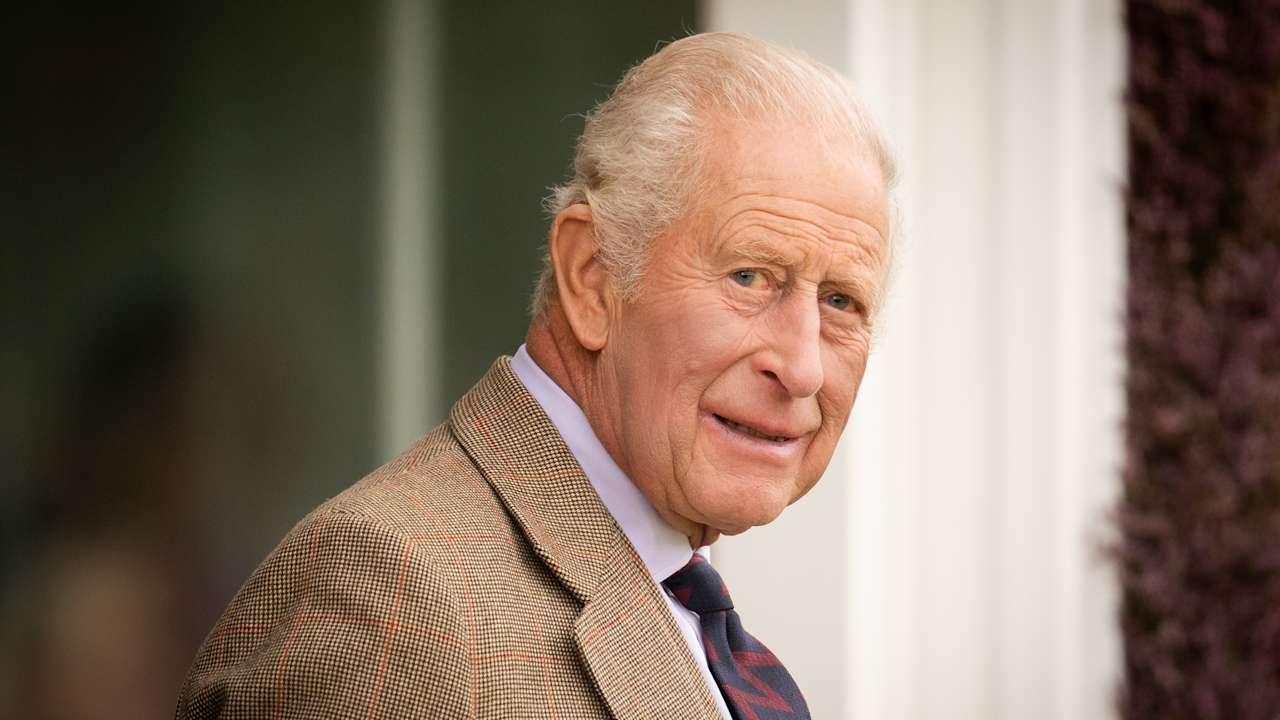
King Charles III is Jamaica’s head of state. He has the power to put Jamaica’s questions to the Privy Council and decide whether Britain has a legal duty to provide redress.
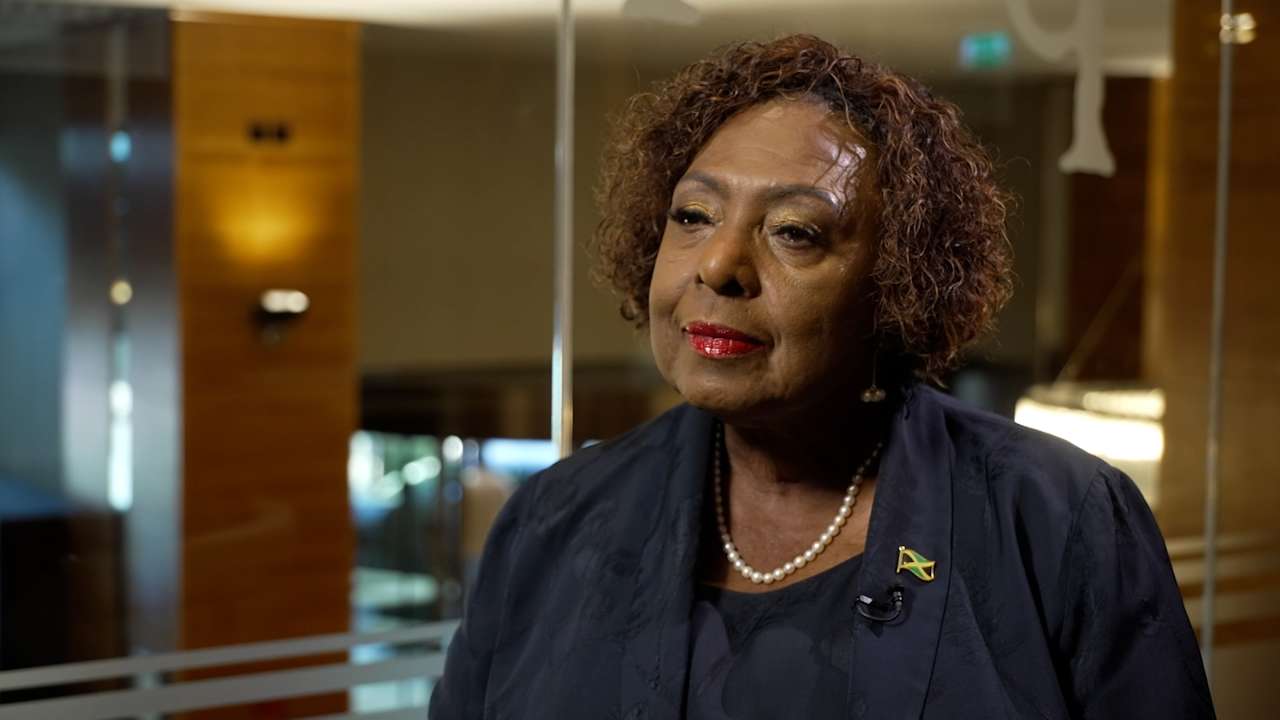
Grange said: “The King is the King of England, but he’s also the King of Jamaica. And we felt it important to make that journey here in order to make the point.”
In the past, the King has been on board with engaging in discourse around the British Empire and links to the slave trade.
In 2023, his spokesperson said he had continued his pledge to deepen his understanding of slavery’s impact with “vigour and determination” since his accession, after the monarchy came under scrutiny for its historical involvement in the practice.
What happens next?
Grange said the delegation was guided by the King’s private secretary on the process, and that the petition would be filed electronically.
It is down to the King whether he will refer the questions to the Judicial Committee of the Privy Council.
Grange said she felt optimistic about the outcome, adding that Jamaicans have shown to the world they are “resilient people”.
She continued: “Remember, we have the fastest man in the world, some of the fastest women. We have given the world a new music in reggae music. We have given the world a new icon, musical icon in Bob Marley.
“Whatever we set out to achieve, we move in that direction in a very positive way. So we are positive.”
The team are not focused on a financial payout, Grange added. “We’re just staying focused on getting answers to those questions,” she said.
Jamaican artefacts
The British Museum owns artefacts taken from the Taino, the first known indigenous people of Jamaica. Dating all the way back to the ninth century, pieces include wooden figures and furniture.
Grange said after multiple years of trying, the delegation hopes to repatriate these items and return them to Jamaica.
“We wanted to have an exhibition and to have those as centrepiece of the exhibition. And we were told a horrendous figure for insurance,” she said.
“We eventually got duplicates. We would like to return those duplicates and to get the original back in Jamaica.”
Grange said the British Museum offered to pay for three curators from Jamaica to visit and take an inventory of the artefacts, and she felt “positive” and “optimistic” about them potentially being returned.
Follow STV News on WhatsApp
Scan the QR code on your mobile device for all the latest news from around the country