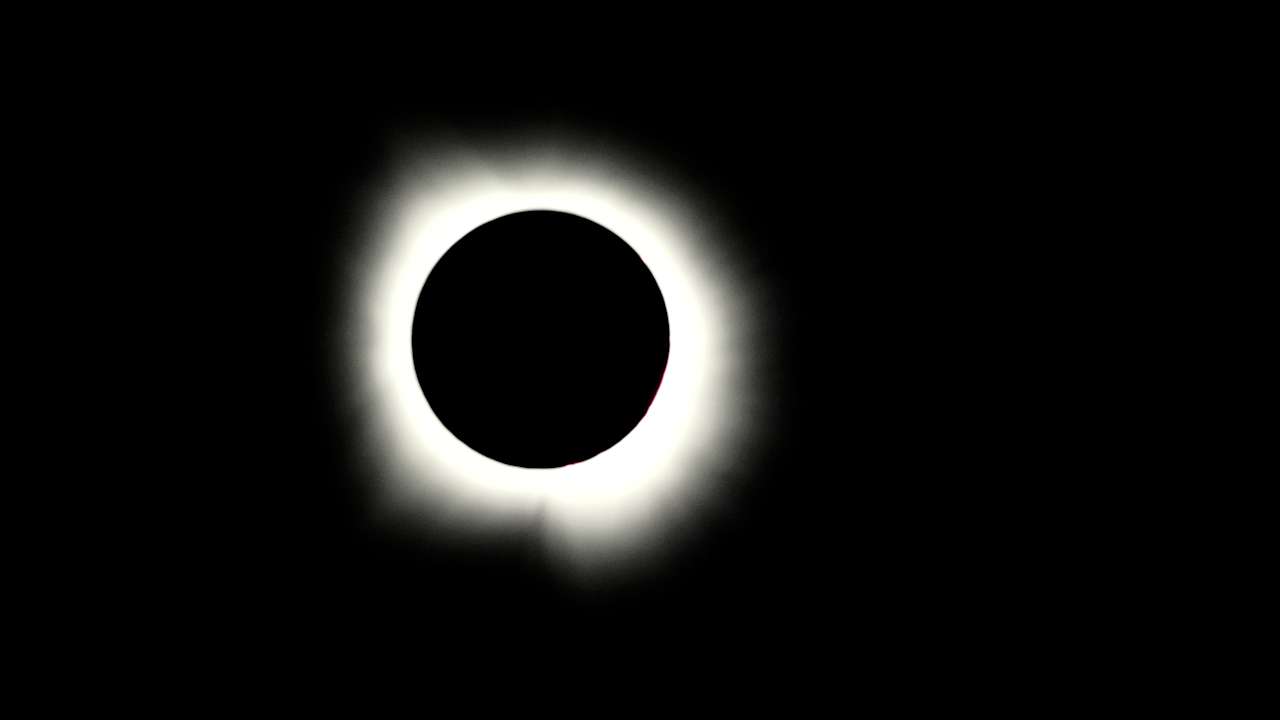
The UK will see its fullest solar eclipse for the next 54 years on Wednesday.
More than 90% of the Sun will be obscured by the Moon between 6.17pm and 8.06pm on August 12, the most it has been blocked above UK skies since the total eclipse in 1999.
Experts from the Royal Greenwich Observatory have warned the public that “can’t just go out and expect to have a look as this is dangerous for the eyes”.
Imo Bell, a planetarium astronomer at the observatory, said: “It’s not a total eclipse, but over 90% is really exciting. We’re not going to get one this good for a really long time.”
But why is it dangerous, and how can you view it safely? ITV News explains.
Why is looking at a solar eclipse dangerous?
Eye damage can occur without proper protection. The sun’s bright rays can burn cells in the retina at the back of the eye.
The retina doesn’t have pain receptors, so there’s no way to feel the damage as it happens. Once the cells die, they don’t come back.
Symptoms of solar eye damage, called solar retinopathy, include blurred vision and colour distortion.
In a rare case of eclipse eye damage, a woman who viewed an eclipse in North America in 2017 without adequate protection complained of a black spot in her vision.
Doctors discovered retinal damage that corresponded to the eclipse’s shape.
“The dark spot she was describing was in the shape of a crescent,” said Dr. Avnish Deobhakta, a Mount Sinai ophthalmologist.
There’s no set rule for how long of a glance can lead to permanent damage. Severity varies based on cloudiness, air pollution and a person’s vantage point.
But doctors say looking at a solar eclipse for even a few seconds unprotected isn’t worth the risk.
How can you watch it safely?
Bell, a planetarium astronomer at the RGO, said it is important to come prepared to watch the solar eclipse on Wednesday.
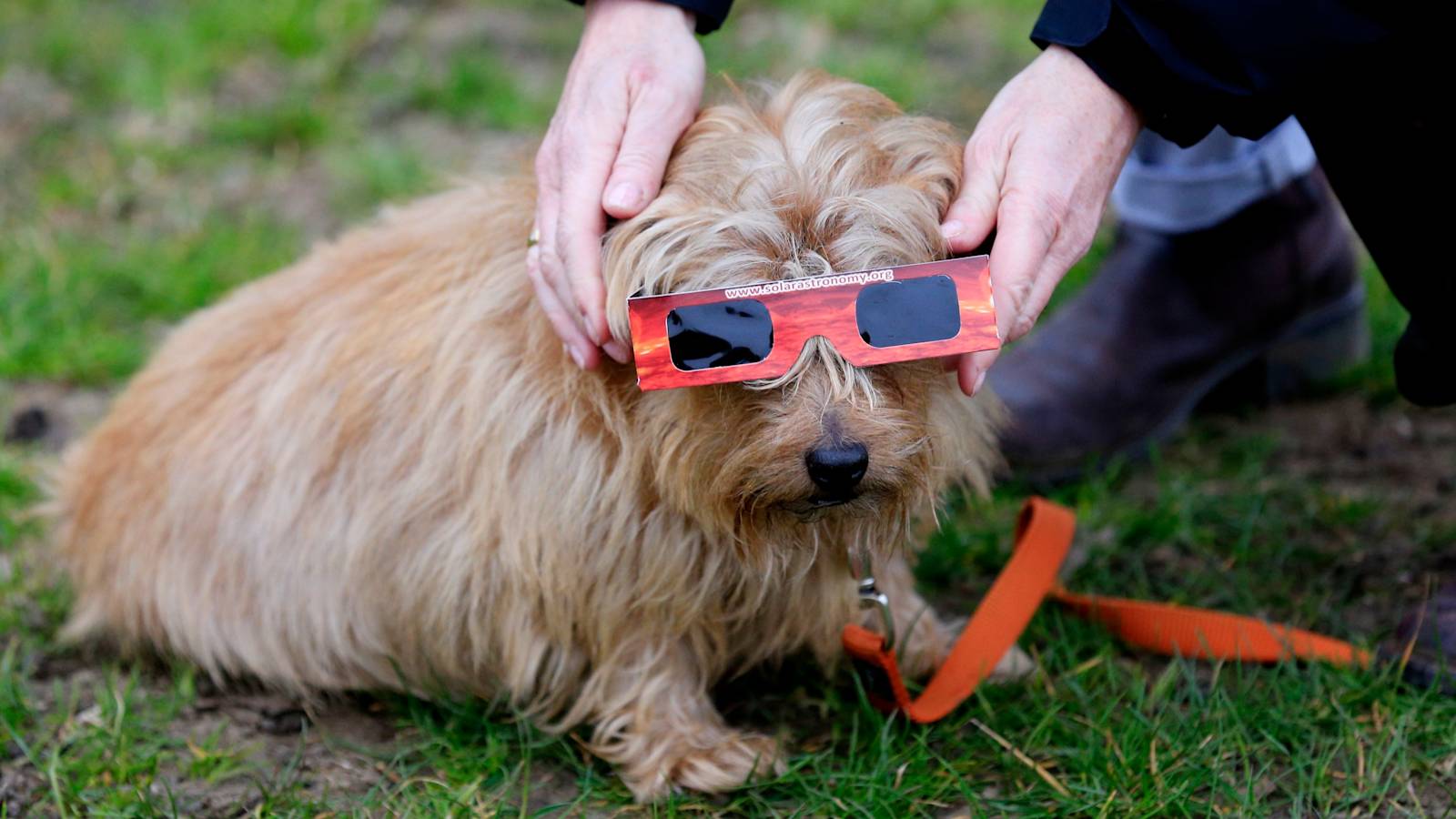
“You can use solar eclipse glasses, which are very, very different from sunglasses – they block out so much light that you can’t see anything through them except the Sun, because that’s how much light they need to block for the damaging light of the Sun to be safe to view.
“Ideally a solar telescope is an amazing way to witness it, and if you don’t have one of them then you can look into whether your local astronomy society is doing any events.
“And if all else fails, you can project the image of the eclipse using a household item like a colander which has lots of holes in – point the colander towards the Sun with your back facing it, and in the shadow of the colander you’ll be able to see the eclipse in the holes, which is really cool.”
The next time the Moon obscures as much of the Sun will be in 2081, and the next total solar eclipse in the UK will be in 2090.
The maximum point of coverage is expected to be at around 7.13pm.
Bell advised getting to a vantage point facing west, with minimal buildings around, as the best way to view the eclipse.
Follow STV News on WhatsApp
Scan the QR code on your mobile device for all the latest news from around the country