 Adobe Stock
Households across the country are being urged to stock up on three days’ worth of key supplies as part of a new government campaign to prepare for everyday services being temporarily disrupted.
The checklist advises stocking up on bottled water and non-perishable food, a battery-powered or wind-up FM radio to receive updates during outages, and cash in case electronic payments or cash machines are disrupted.
It comes amid heightened concerns over foreign threats, rogue drone incidents near British military sites, and risks to democratic processes.
Analysts and agricultural leaders have also warned that recent record heatwaves and prolonged dry conditions could trigger severe food shortages later this year.
What’s included in the government’s ‘Be Ready’ checklist?
- Water: Three litres of bottled water per person per day for drinking. More would also be needed for other tasks such as cooking and washing.
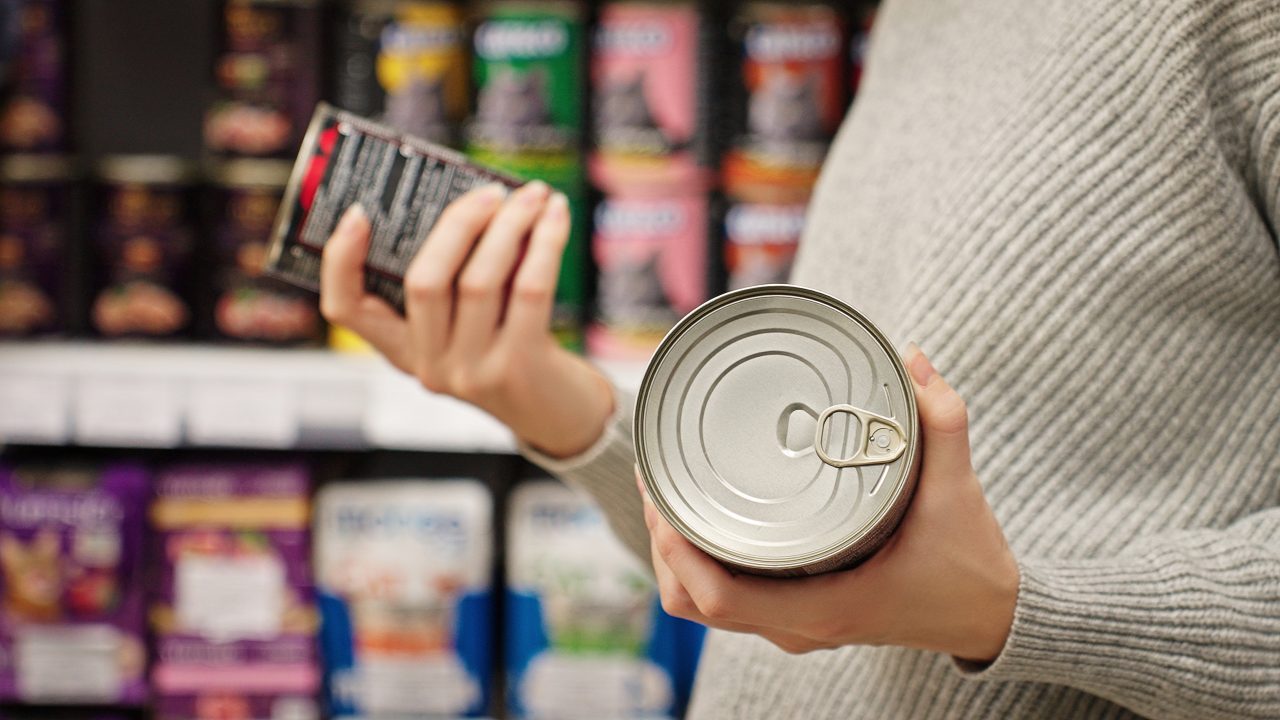
- Food: Three days worth of non-perishable foods that don’t need refrigeration or cooking, such as tinned meat or vegetables, dried fruits and nuts. The government advises buying food you usually eat.
- Hygiene: Hand sanitiser, wet wipes, hygiene and bathroom products.
- Light and warmth: A torch with spare batteries, blankets, sleeping bags and warm clothing.
- Communication: A wind-up or battery-powered radio and a charged power bank.
- Money and documents: Cash, including a mix of coins and cards, copies or IDs and documents, important phone numbers written out, and essential information, such as medication names and doses.
- Medical and health: A first aid kit, essential medication and medical supplies.
- Baby products: Baby formula, particularly ready-made or ‘ready-to-feed’ in case households are unable to boil water. Nappies and wipes.
- Pet products: Food and bottled water.
The government recommends spreading the cost of an emergency kit by gradually adding items to the checklist during regular shopping trips.
People are also advised to set a reminder every six months to check expiry dates, replace out-of-date items and update the kit to reflect any changes in their household’s needs.
Neighbours should exchange contact details and discuss how they could support one another during emergencies, such as power cuts.
The Be Ready website offers further advice on specific hazards, along with links to alerts and warnings from organisations including the Met Office.
Follow STV News on WhatsApp
Scan the QR code on your mobile device for all the latest news from around the country