
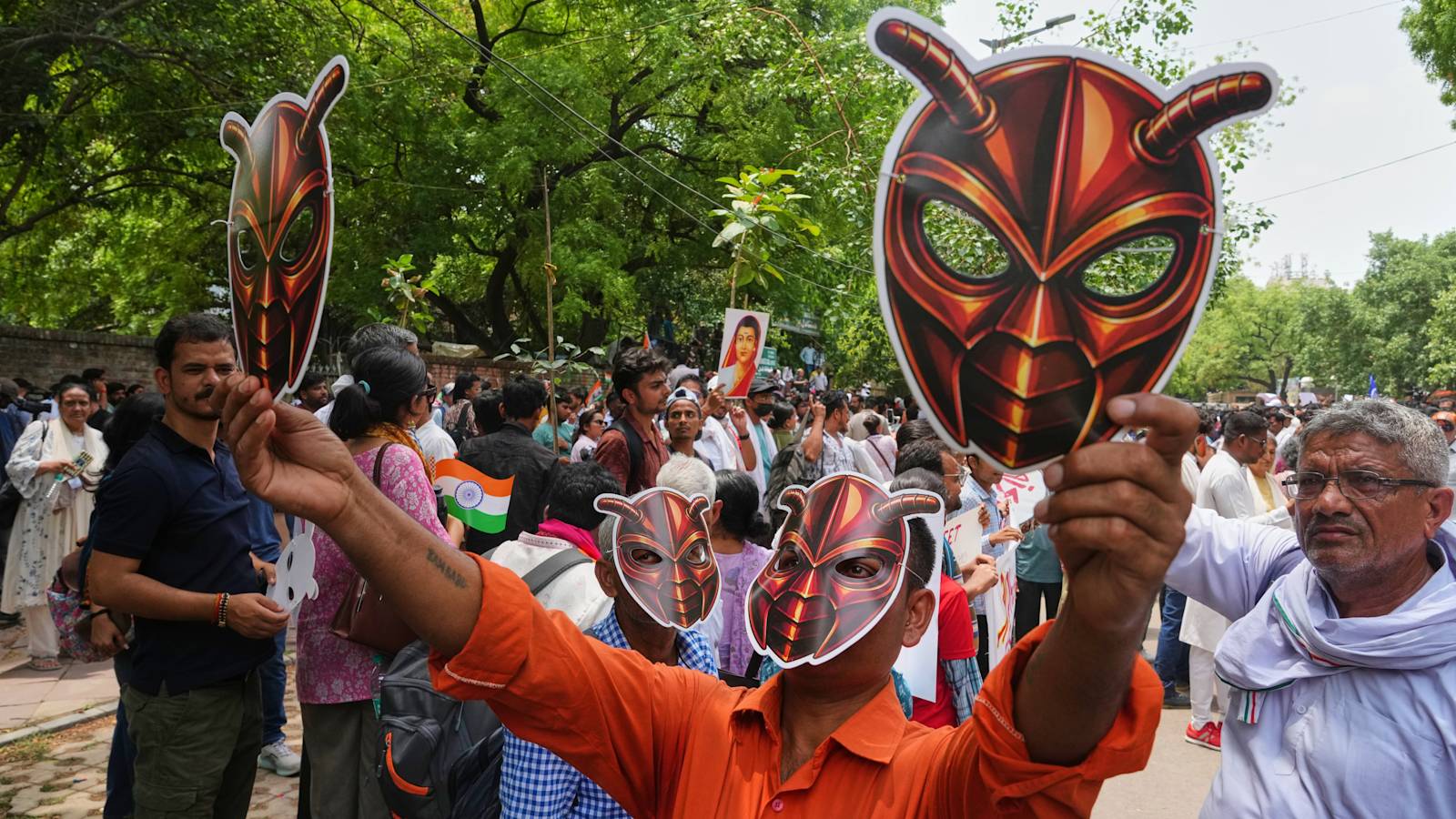
Thousands of young Indians have taken to the streets in New Delhi as part of the ‘Cockroach’ movement, a youth-led campaign targeting exam leaks, unemployment and government accountability.
The movement, organised by the Cockroach Janta Party (CJP), has become one of the most unexpected challenges to Prime Minister Narendra Modi’s government.
What began as an online satire campaign has grown into a major street protest movement, driven by anger over alleged failures in India’s examination system and wider frustrations among young people.
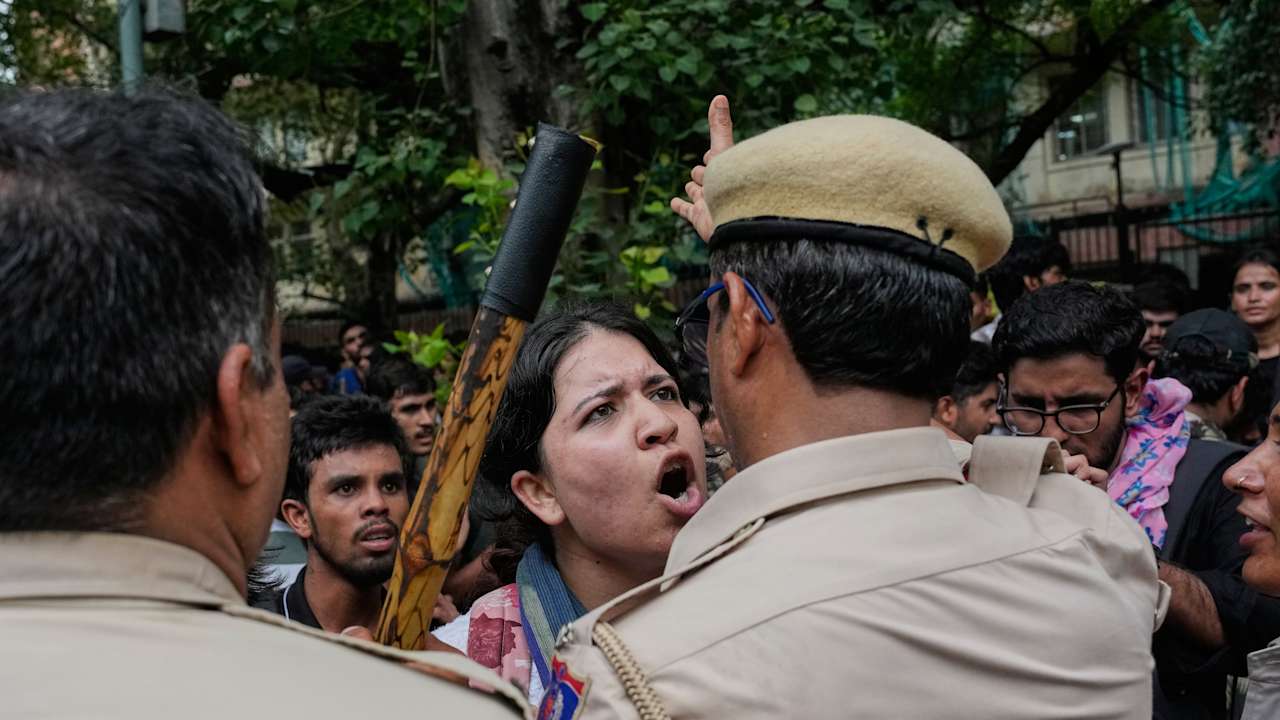
Protesters and police clashed on Monday, marking one of the most significant moments in the CJP’s two-month campaign.
Despite the confrontation, demonstrators vowed to continue their protest on Tuesday, refusing to leave their sit-in site in New Delhi after police used tear gas and batons to disperse thousands attempting to march towards parliament.
Hundreds of protesters remained camped at Jantar Mantar under heavy police presence, demanding the resignation of Education Minister Dharmendra Pradhan over alleged failures in India’s examination system.
But who are the ‘Cockroach’ movement, how were they formed, and what are their aims and objectives?
What is the ‘Cockroach’ movement?
The Cockroach movement began as a satirical online project but has quickly become a platform for millions of young Indians expressing frustration over unemployment, rising living costs, exam leaks and government accountability.
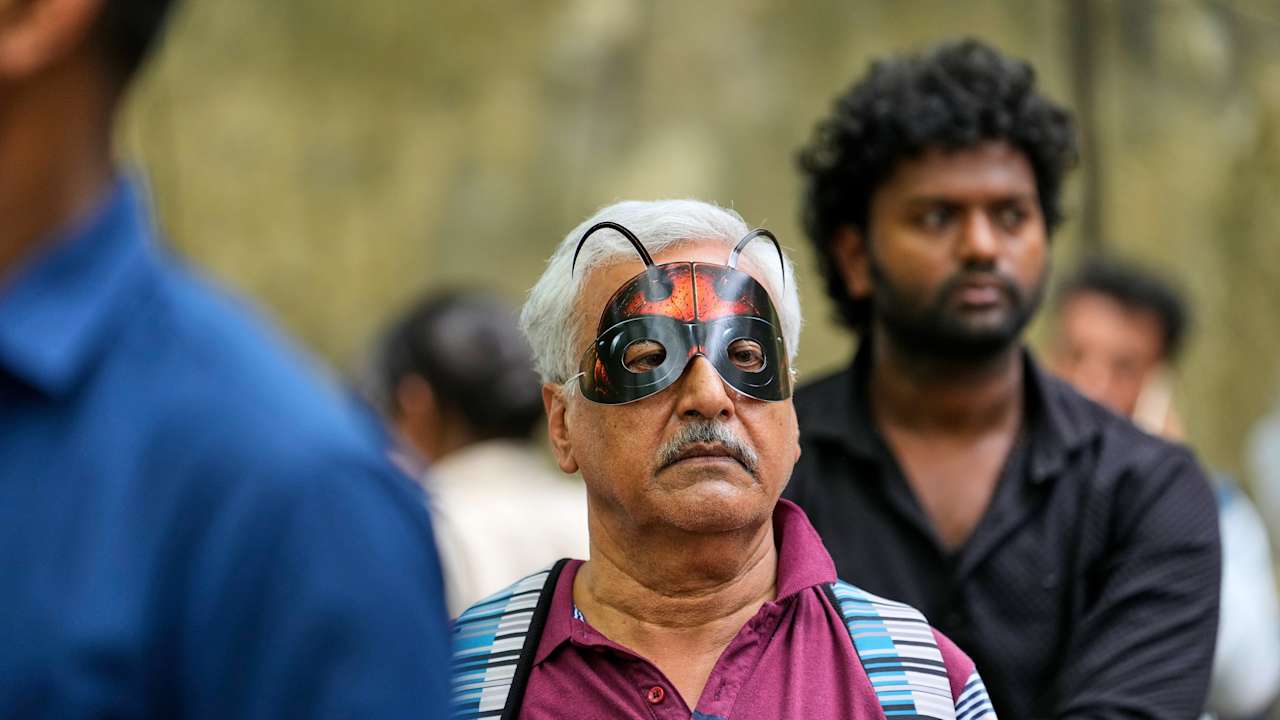
At its centre is the Cockroach Janta Party – a parody political party that uses the cockroach as its symbol.
Through memes, short videos and online satire, the group has turned humour into a form of political protest.
The cockroach was chosen because of its reputation for surviving harsh conditions, becoming a tongue-in-cheek symbol of resilience among young people who feel ignored by those in power.
How did it start?
The CJP emerged online after comments by Supreme Court Chief Justice Surya Kant triggered backlash among young Indians already frustrated by unemployment, rising living costs and alleged exam paper leaks affecting recruitment.
During a hearing in May, Kant criticised what he described as “parasites” targeting institutions and compared some unemployed young people and activists to cockroaches.
“There are youngsters like cockroaches, who don’t get any employment or have any place in the profession,” Kant said, adding that some had turned to social media activism, journalism and public interest campaigns before “attacking everyone”.
The comments spread quickly online, with many users accusing the judge of ignoring the struggles of young Indians.
Kant later clarified that he was referring to people getting fraudulent degrees and said he did not intend to insult India’s youth.
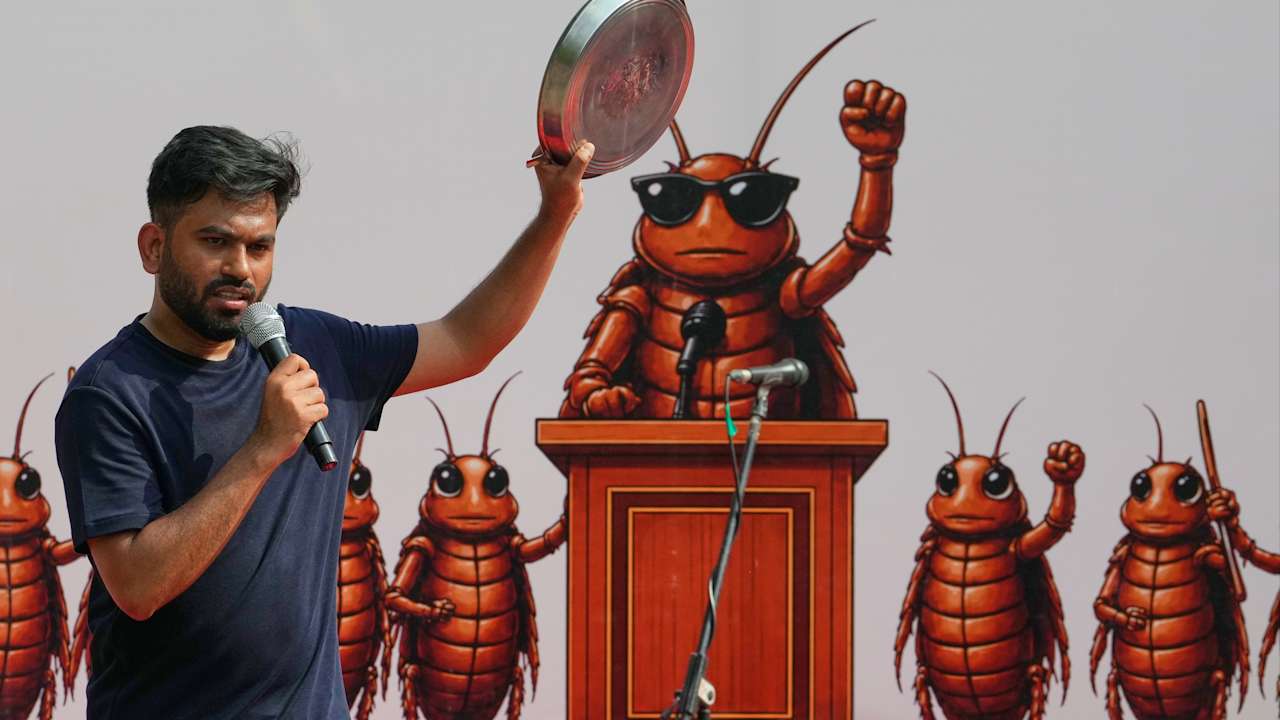
However, the controversy helped spark the creation of the parody Cockroach Janta Party account on Instagram, which adopted the insect as its political symbol and began sharing memes, mock campaign slogans and satirical criticism of Modi’s government.
Within days, the movement attracted tens of thousands of online volunteers through a Google form, while some opposition figures also expressed support.
“We have to understand that five years ago nobody was ready to speak up against Modi or the government. The times are changing,” Abhijeet Dipke, founder of the CJP, said.
How does the movement use satire?
The Cockroach Janta Party leans heavily into self-mockery.
Its tongue-in-cheek membership criteria include being unemployed, lazy, chronically online and capable of “ranting professionally”.
Its mock manifesto uses satire to highlight a range of contentious issues in Indian politics, including opposition allegations of voter manipulation, criticism of the relationship between corporate media and the government, and the appointment of retired judges to official posts.

Critics, many of them supporters of Modi, have dismissed the movement as an online political gimmick aligned with the opposition, pointing to founder Dipke’s previous links to the Aam Aadmi Party.
They also argue the movement’s popularity is unlikely to last, claiming it is a social media campaign rather than a genuine grassroots movement.
But Dipke insists the campaign has grown beyond the internet.
“This is the movement that has arrived in India … it will change the political discourse,” he said. “It will continue online, and if required it will also come on the ground.”
How is the state responding?
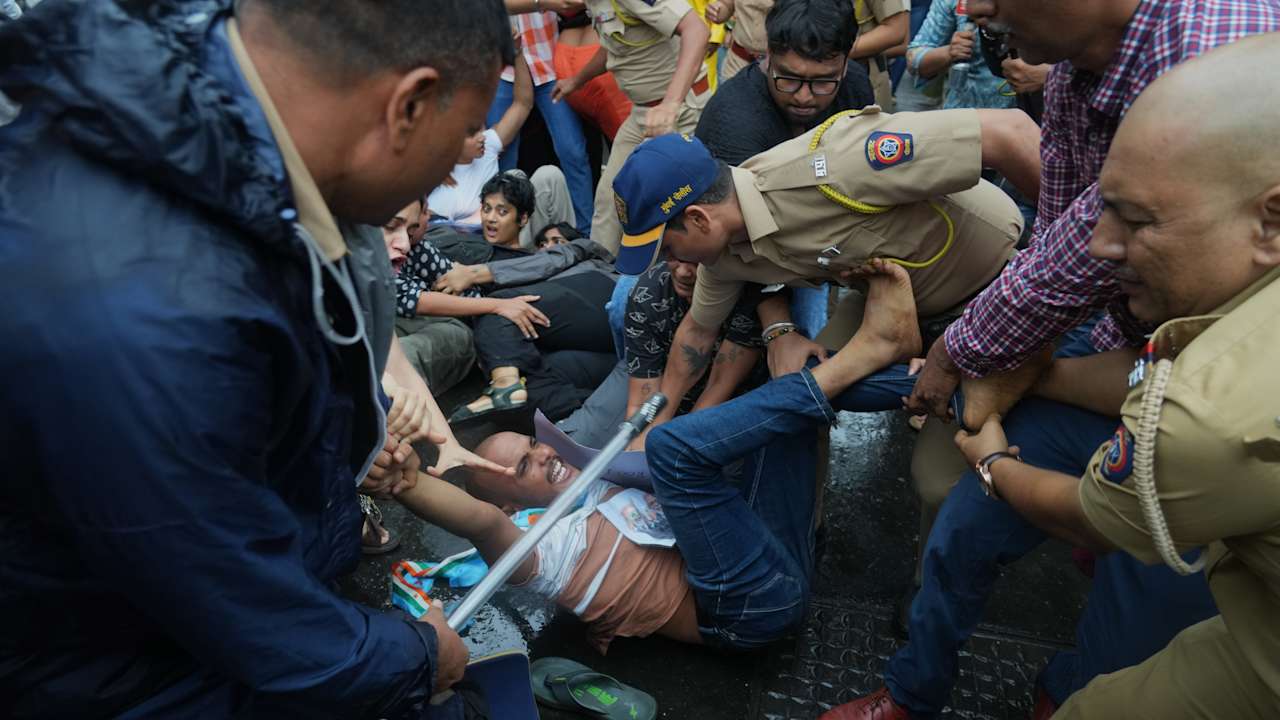
The government’s response has come under increasing scrutiny following clashes between protesters and police in New Delhi on Monday.
Social media videos show officers hitting demonstrators with batons and dragging protesters away, spreading rapidly across social media, fuelling public anger.
Some footage showed young protesters crying and pleading with police to stop hitting them, while other clips captured demonstrators standing their ground despite repeated baton strikes.
Delhi Police said nearly 180 people were injured in the confrontation, including 118 security personnel and 60 protesters.
Among those at the demonstration was 20-year-old student Sona Bisht, who said the police action had only strengthened her determination.
“If the government thinks that doing this with Gen Z, they can stop us, then that won’t happen,” she said.
“We are here talking about education, talking about securing our future. And till the time our demands are not met, we will not move from here.”
After almost a month of silence, the government made its first apparent attempt to engage with the movement on Monday, when a senior minister met representatives from the CJP.
However, the talks failed to calm tensions, with protest leaders saying they wanted concrete action rather than assurances.
Amnesty International condemned the police response, saying it demonstrated “how peaceful dissent is being suppressed in India”.
“The role of the authorities is to protect and facilitate peaceful protests, not to suppress them,” the organisation said.
“The right to freedom of peaceful assembly is recognised under international human rights law and the Indian Constitution.”
Follow STV News on WhatsApp
Scan the QR code on your mobile device for all the latest news from around the country