Words by Bea Tridimas
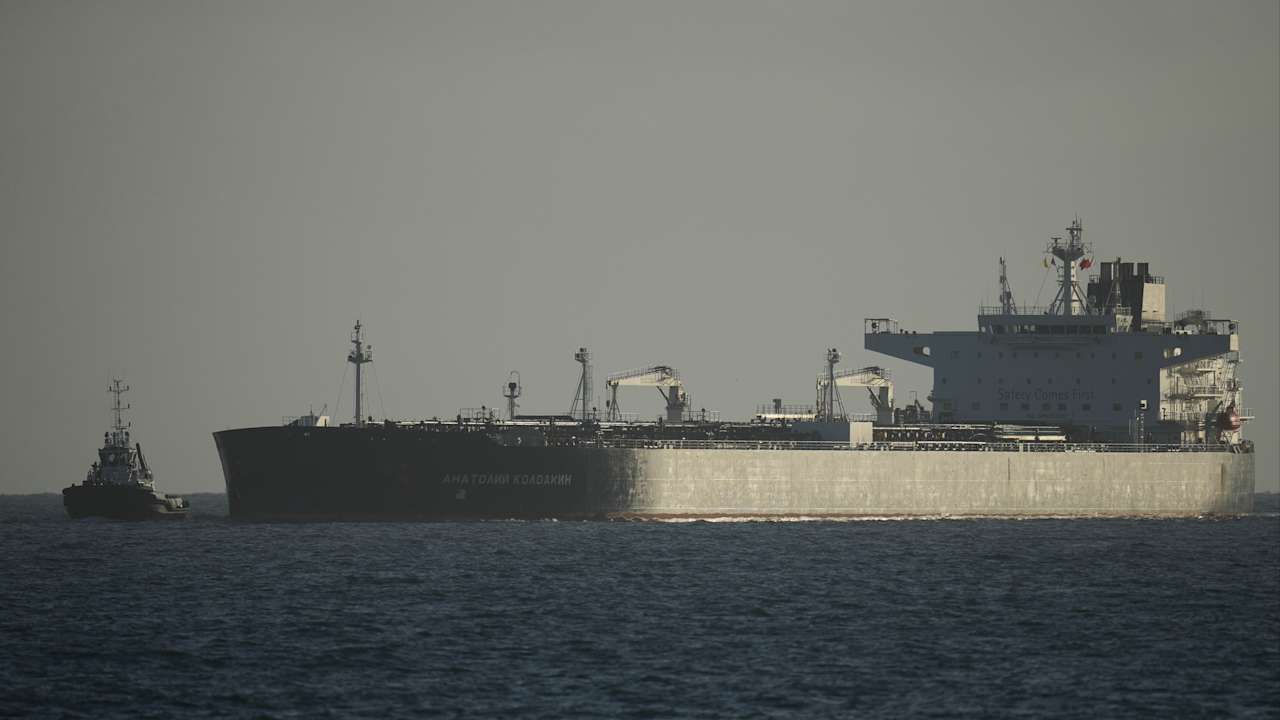
Cubans celebrated as a Russian tanker carrying 730,000 barrels of oil docked on Tuesday, after a months-long energy blockade that has caused electricity blackouts, delays in healthcare and escalated an on-going economic crisis.
The delivery is the first oil to reach the island in three months after US President Donald Trump cut access to the island’s main oil supplier – Venezuela – and threatened other suppliers with tariffs, causing Mexico to also halt shipments.
Since returning to office, Trump has significantly tightened his economic sanctions against Cuba, telling CNN last month that it’s only a “question of time” before the island could see a regime change.
He has also hinted on numerous occasions that it is “next” on the administration’s agenda after the ongoing war with Iran.
“He’s doing some job, and your next one is going to be, we want to do that special Cuba,” Trump said Thursday referring to his Secretary of State.
“He’s waiting. But he says, ‘Let’s get this one finished first.’ We could do them all at the same time, but bad things happen. If you watch countries over the years, you do them all too fast, bad things happen. We’re not going to let anything bad happen to this country.”
But what is happening in Cuba – and what could a US regime change mean for the country?
How did the latest conflict start?
In January, Trump issued an executive order addressing what he called an “extraordinary threat” posed by Cuban government policies, actions and practices.
The order imposed tariffs on Cuba, with Trump claiming it aligns itself with countries and groups which the US considers hostile, including Russia, China, Iran, Hamas and Hezbollah.
Without providing evidence, Trump also accused Cuba of inviting “hostile nations” to “base sophisticated military and intelligence capabilities”, which he said is a threat to national security.
The order immediately prompted Mexico to pause oil shipments to Cuba, although it said it was a “sovereign decision” not made under pressure from the US.
Cuba is also an important issue to US Secretary of State Marco Rubio, who is in charge of negotiations with the country.
Rubio himself is Cuban-American and has previously said the US wants “new people in charge” to fix the island’s long-suffering economy.
“The people in charge, they don’t know how to fix (Cuba’s economy),” Rubio said last week. “So they have to get new people in charge. That’s what has to happen.”
How have the tariffs impacted Cubans?
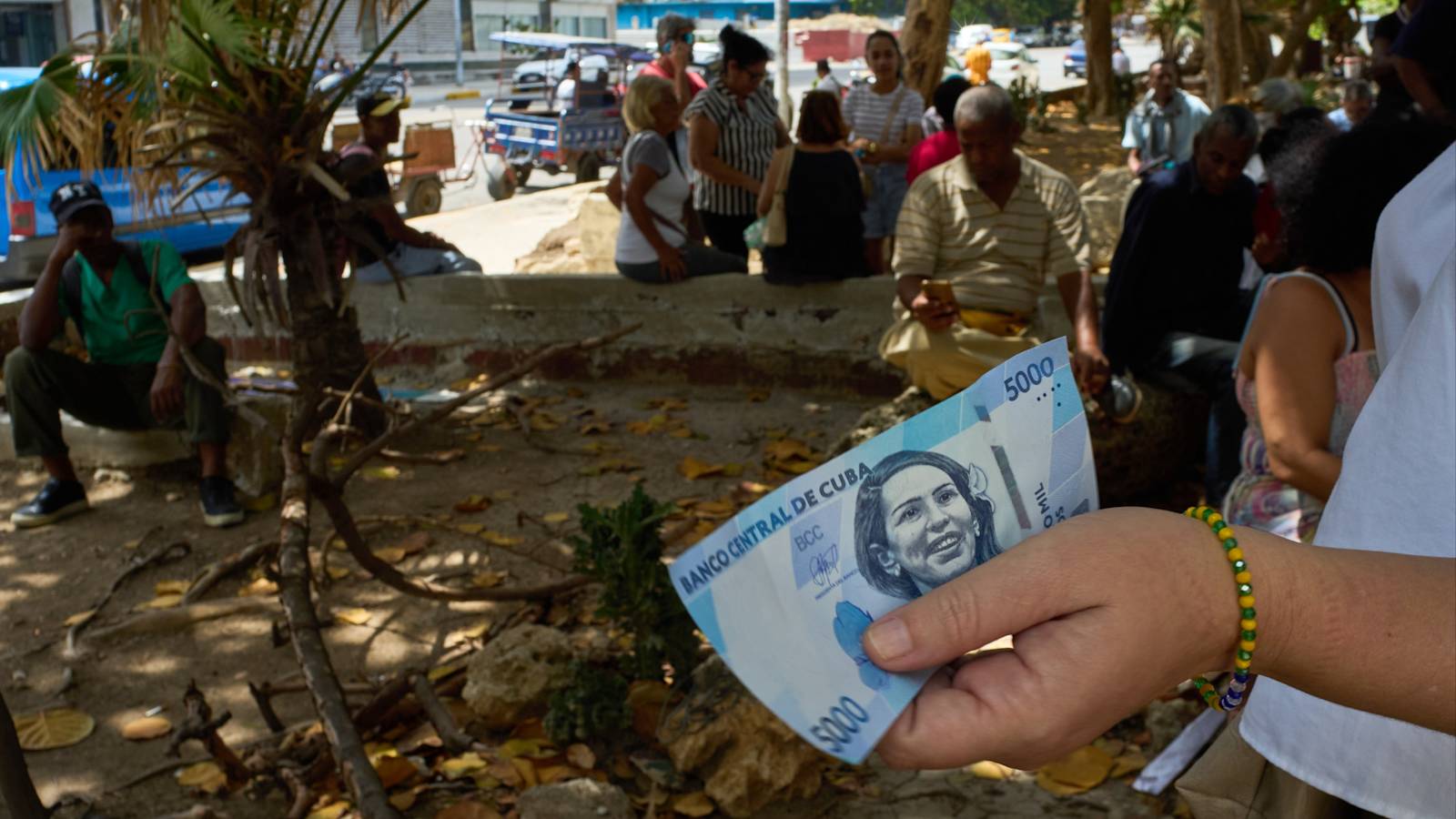
The fuel shortage has left the country in turmoil, hitting every sector from food and healthcare to tourism and education, exacerbating an already deep economic crisis.
Cuba heavily relies on oil for electricity generation, but only produces around 40% of its own oil, according to the International Energy Agency.
The island’s crumbling electricity grid has caused the country to experience blackouts in recent years, which have become longer and more frequent with the current blockade.
In March, the country experienced three nationwide blackouts, plunging millions into darkness for several days, while power was restored.
Meanwhile, rubbish is piling up on roads as fuel rations have hit rubbish trucks and stopped farmers from transporting food to markets.
Hospitals are struggling to operate, and the government has also cut school hours and postponed national sporting and cultural events.
The United Nations warned as early as February that the country faces “humanitarian collapse” if the oil blockade continues and launched a $94 million (£70.5 million) plan to support Cubans.
International airlines, including Air Canada, Air France, and the US’s American Airlines, Delta and Jet Blue, have suspended flights to the island, citing fuel shortages and grinding Cuba’s tourism industry to a halt.
As the Russian tanker arrived on the island this week, Trump said its passage was allowed for humanitarian reasons, saying people “have to survive”.
The White House later confirmed that the tanker’s arrival is not a signal of a policy change.
How does this link to Venezuela and Iran?
Since Trump’s return to office in January last year, the president has launched campaigns to implement regime change in Venezuela and Iran and has suggested Cuba is next.
The regime change in Venezuela has allowed Trump to stop sending oil from entering Cuba, even though the island depends heavily on it.
“I do believe I’ll be having the honor of taking Cuba. It’s a big honor, I mean, whether I free it, take it. I think I can do anything I want with it,” Trump said from the White House on March 21.
But the president has refused to confirm whether the US will use the same level of force as it did to capture Venezuelan President Nicolás Maduro in January.
What is the US’s history in Cuba?
Cuba has been under strict economic embargo from the US since former leader Fidel Castro led a band of revolutionaries to overthrow the government in 1959.
Meanwhile, the US has been bound by law since the 90s that ties sanctions to political change and states embargoes can be raised only when a transition government is in power.
Since Castro took power in 1959, the country has faced several crises, from a full US-enforced isolation of the island during the Cold War, to the loss of a major economic support with the collapse of the Soviet Union.
Former President Barack Obama took steps towards improving relations with Cuba, loosening restrictions and becoming the first US president to visit the island in 90 years.
But Trump swiftly undid some of Obama’s changes when first coming to office in 2017 and intensified economic pressure on the island last year, by reimposing strict travel restrictions on US tourism and doubling down on trade limits between the countries.
Who holds power in Cuba?
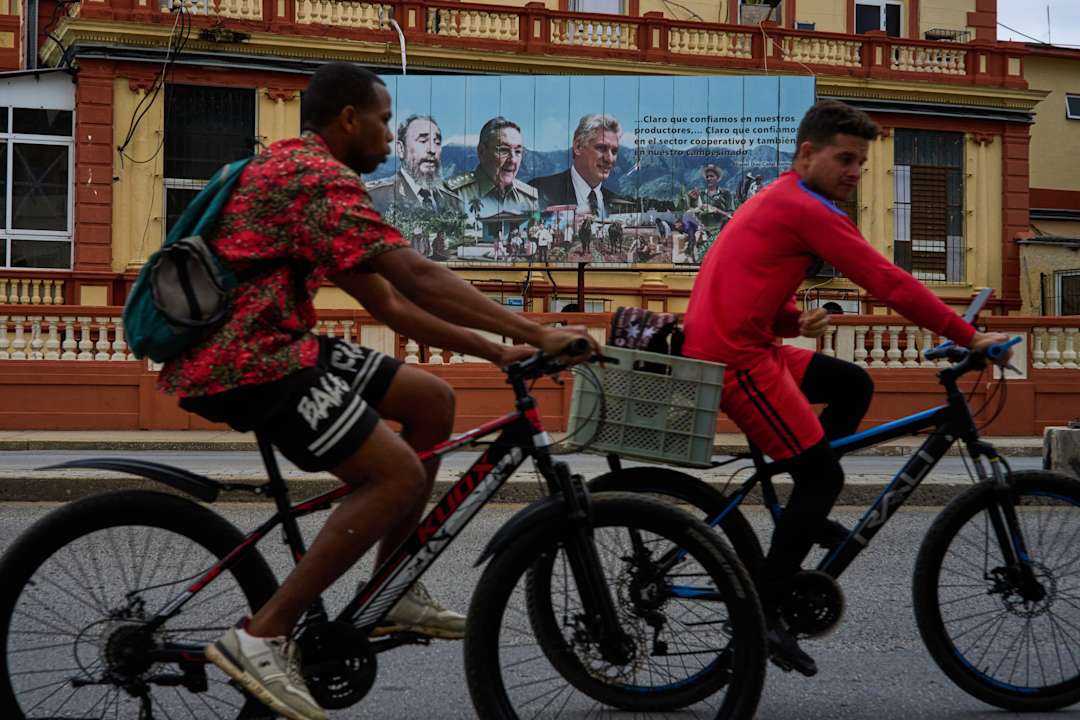
Since the 1959 revolution, Cuba has had three leaders – Fidel, his brother Raul and now Diaz-Canel, who took over as president in 2018, after Raul stepped down, ending nearly six decades of Castro family rule.
Cuba has been under one-party rule since the revolution, with the Communist Party heading much of the country’s economy and running the media, state and military.
Diaz-Canel confirmed that the former president Raul has been representing Cuba at ongoing talks with the US, alongside other members of the Cuban Communist Party.
Trump has claimed that Cuba is desperate to come to a deal given its current state of crisis, but Diaz-Canel has confirmed that negotiations will focus on ending the fuel embargo, not political change.

“Neither the president nor the position of any leader in Cuba is up for negotiation with the United States,” Cuba’s top diplomat for US affairs, Carlos Fernández De Cossio, told reporters in Havana.
Meanwhile, sightings of Raul’s grandson alongside Diaz-Canel have sparked rumours of his role in the future of the country.
Raúl Guillermo Rodríguez Castro, nicknamed “El Cangrejo” (The Crab), attended Diaz-Canel’s press conferences and took part in a meeting with leaders of the Communist Party, although has no known history within in the party.
What do Cubans think?
Since the crisis unfolded at the beginning of the year, Cubans have taken to the streets in rare protests, hitting pots and pans as a symbol of discontent.
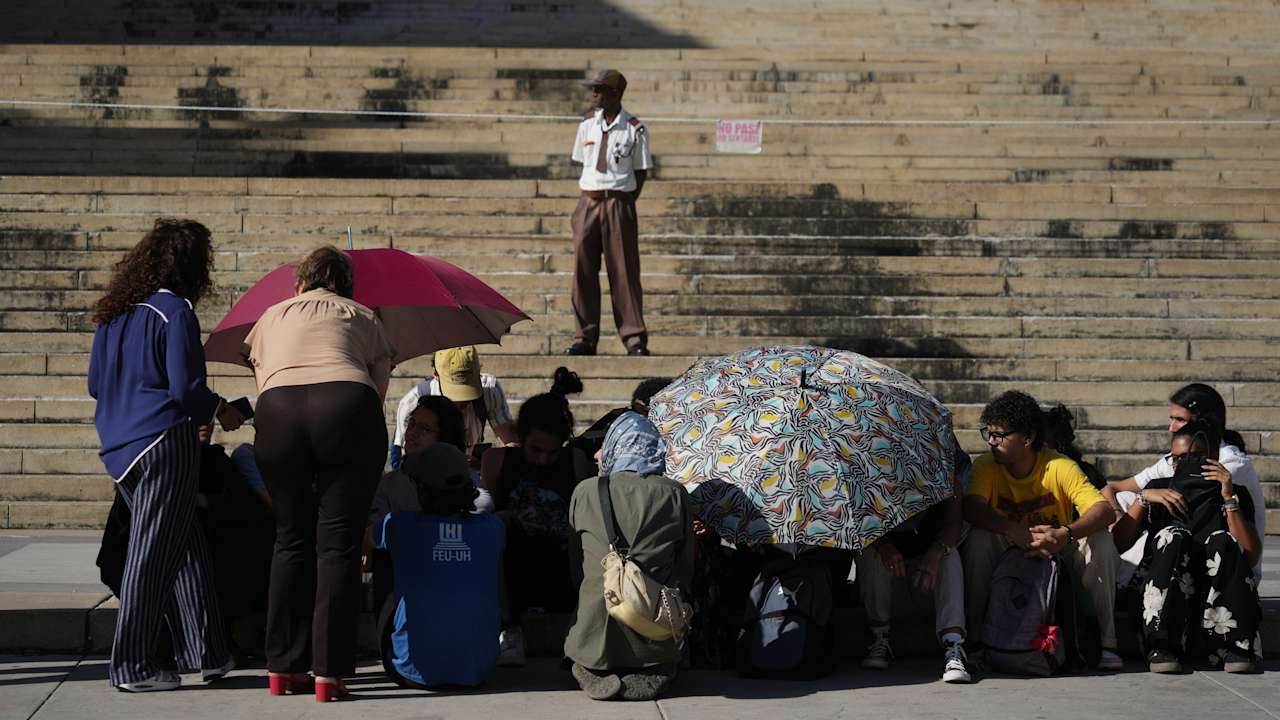
Students also staged a peaceful sit-in on the steps of the University of Havana, protesting internet outages disrupting their studies, while demonstrators partially destroyed the local headquarters of the Communist Party in the city of Moron, leading to five arrests.
Follow STV News on WhatsApp
Scan the QR code on your mobile device for all the latest news from around the country