Sales of essential items have jumped since the government launched its “Be Ready” campaign just under a month ago.
The campaign, launched on October 22, encouraged Britons to ensure they have three days’ worth of key supplies in the event of severe weather, cyber attacks and other unforeseen emergencies.
A list of essentials, including bottled water, non-perishable food, cash and documents has been drawn up by the government, with Defence Secretary Wes Streeting urging people to be “alert but not alarmed”.
Have people been listening? Retail figures released on Tuesday morning suggest sales have received a modest boost.
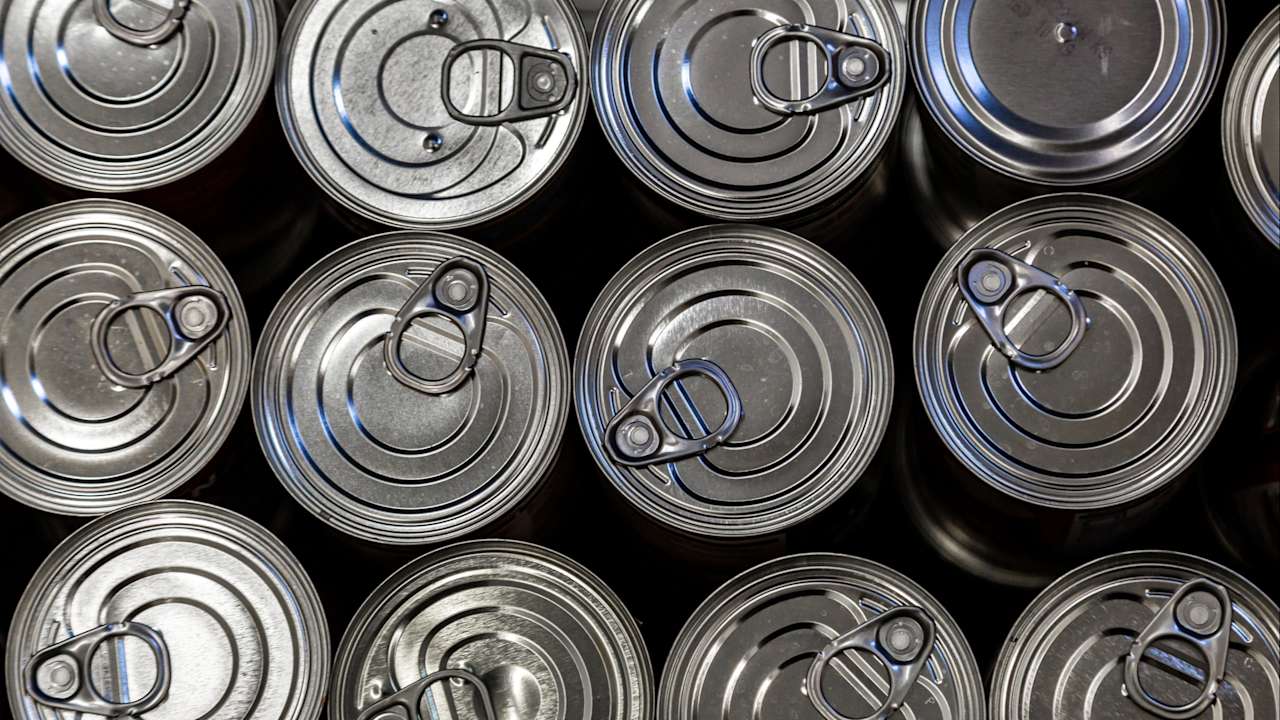
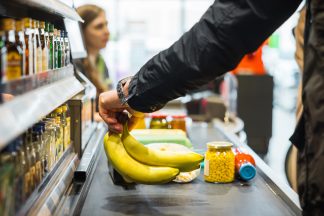
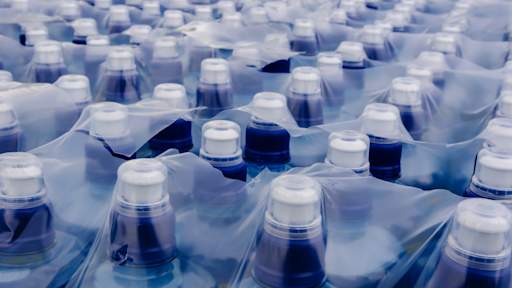
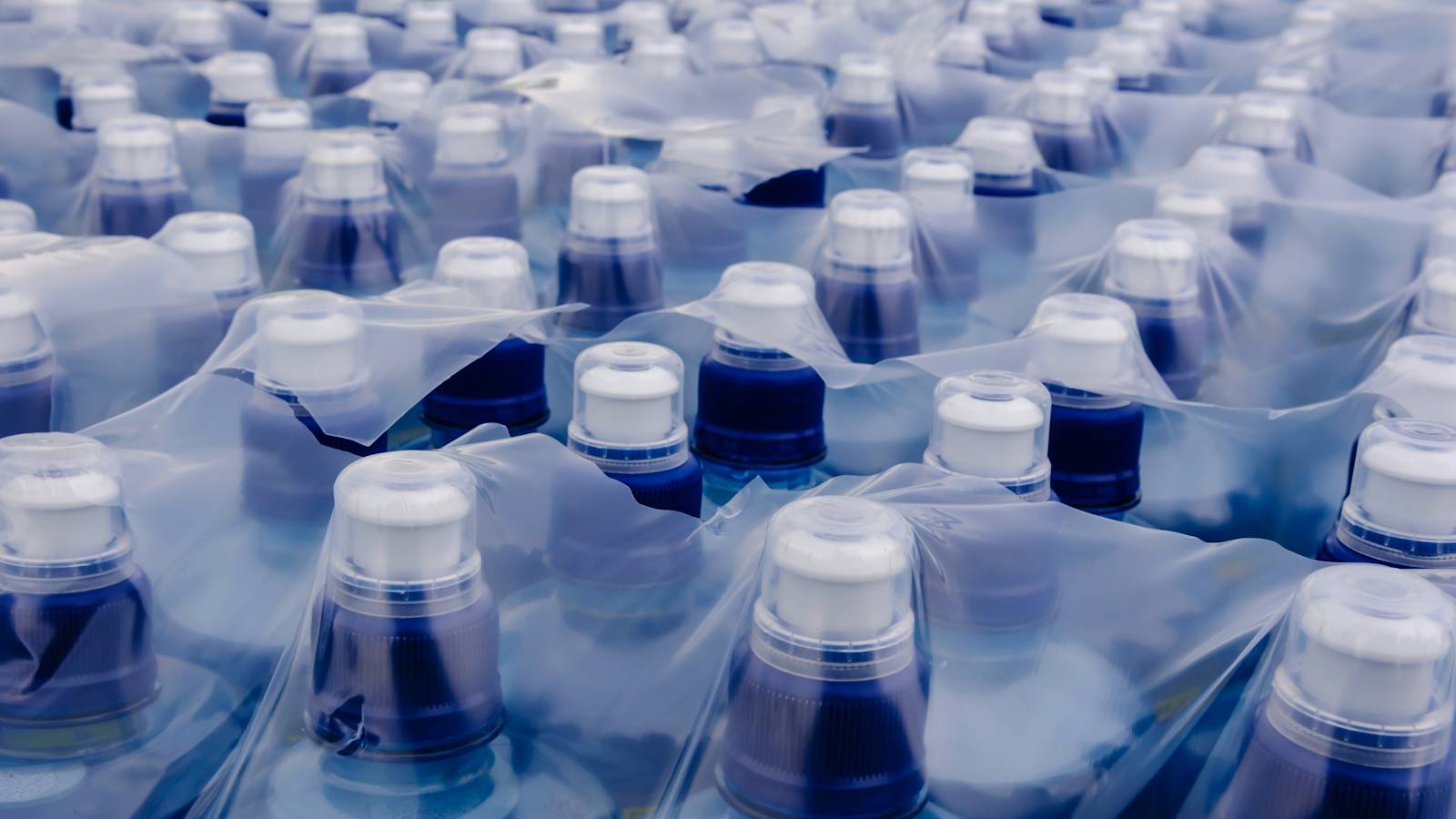
In the 10 days after the campaign was launched, sales of hand sanitiser increased by 83% compared to the corresponding period last year, while sales of bottled water rose 67% and tinned and jarred goods were up 37%.
The number of people buying tinned meat each day after the launch of the campaign rose by 43% – equivalent to an extra 400,000 shoppers a day – yet the typical amount bought remained at about 500g, suggesting households are gradually stocking their cupboards.
Fraser McKevitt, head of retail and consumer insight at Worldpanel, said: “Shoppers clearly took notice of the Be Ready campaign, but this wasn’t panic buying, with less than a third of households buying bottled water in October.
“Growth came from more people adding the recommended items on the government’s checklist to their weekly shop, not from shoppers piling their trolleys high, which is very much in line with what the government wanted households to do.”
Supermarket prices are now 2.6% higher than a year ago, up from 2.5% last month, data from Worldpanel by Numerator shows.
Mr McKevitt said: “While prices are rising at a slower rate than at the beginning of the year, the direction of travel has changed.
“Household budgets have already taken a hit after the latest increase to the energy price cap arrived with the cold weather in October, and shoppers will be keeping a close eye on prices at the tills this winter.”
Figures from the British Retail Consortium (BRC) and KPMG for October show that total UK retail sales increased by 1.5% year on year, although this was above the three-month average of 1.2%.
Food sales were up 3.2%, down from last October’s figure of 3.5% but also above the 12-month average growth of 3%.
This was helped by cupboard staples seeing a modest boost following government advice for households to stock for emergencies.
Looking at October more generally, sales at online-only grocer Ocado grew by 12.3% over the 12 weeks to November 1, to reach a record market share of 2.3%.
Marks & Spencer, which part owns the Ocado retail business, separately increased grocery sales through its stores over the same period by 14.6%.
Spending through the tills at Lidl increased by 6.6%, resulting in a market share gain of 0.4 percentage points, the greatest of any retailer, handing it 8.6% of all sales.
The third retailer to increase share compared with last year was Waitrose, moving up to 4.5% from 4.4% as sales rose by 2.2%.
Sales at Morrisons rose by 2%, slightly ahead of the market, delivering market share of 8.3%, while Tesco and Sainsbury’s took a 27.8% and 15.5% share respectively.
New Asda chief executive David Potts started his role with a market share of 11.3%, as more than half of households shopped in its stores or online over the last three months.
Sales were up by 0.4% at Aldi, Britain’s fourth largest grocer, taking share to 10.4%, while Co-op’s sales were 0.7% higher than a year ago to give it 5.3% of the market.
Follow STV News on WhatsApp
Scan the QR code on your mobile device for all the latest news from around the country