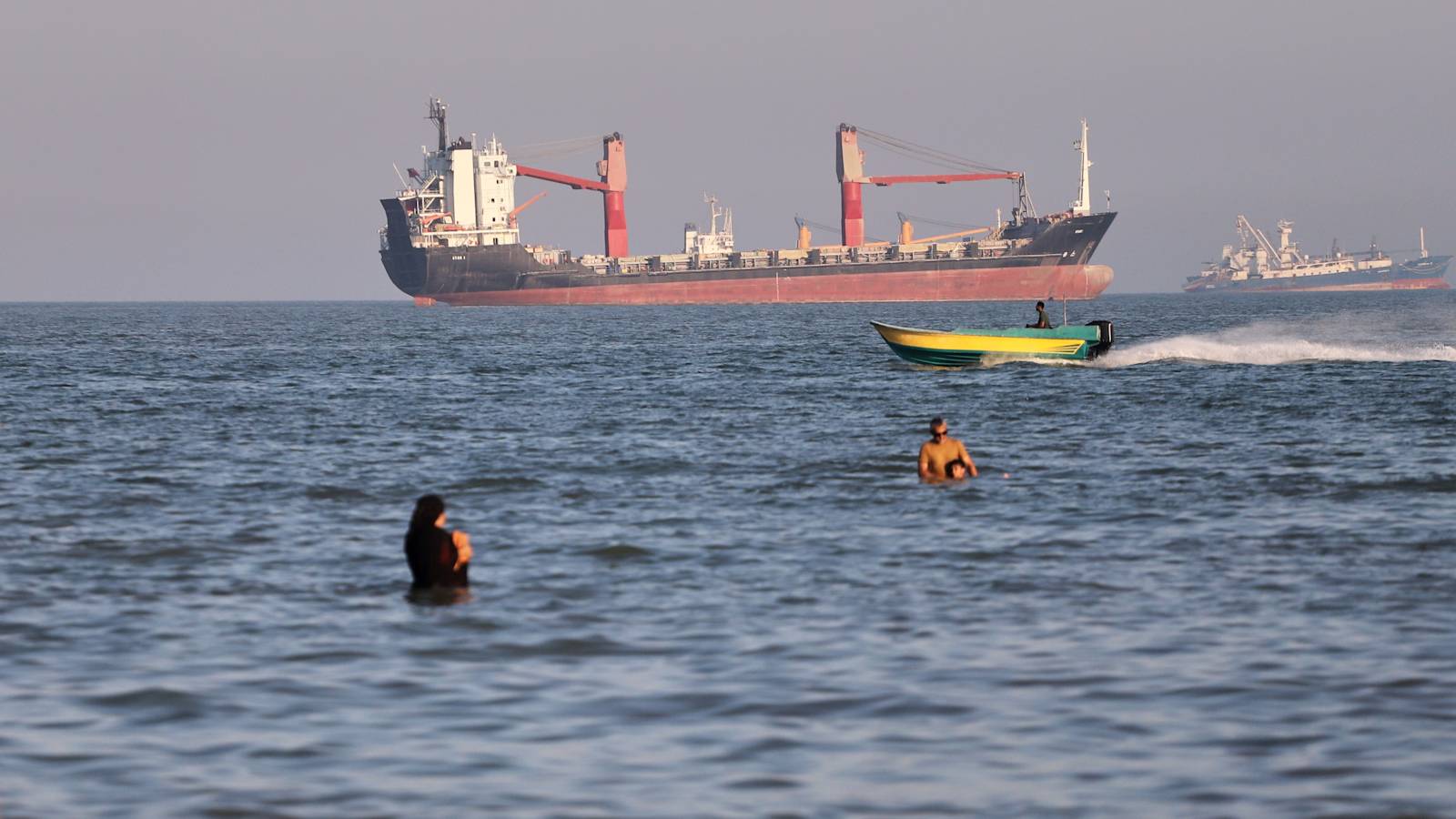
The US has struck Iran to respond to a drone attack a day earlier on a cargo ship in the Strait of Hormuz, a provocation that President Donald Trump said violated the ceasefire.
US Central Command said the military targetted missile and drone locations and coastal radar sites in Iran.
The strikes came shortly after Trump told reporters, “you’ll find out,” whether the US would respond to the drone attack.
One of four drones fired at the ship damaged its upper deck during the attack on Thursday, but the ship was able to proceed, Trump said. The US shot down the other drones, he said.
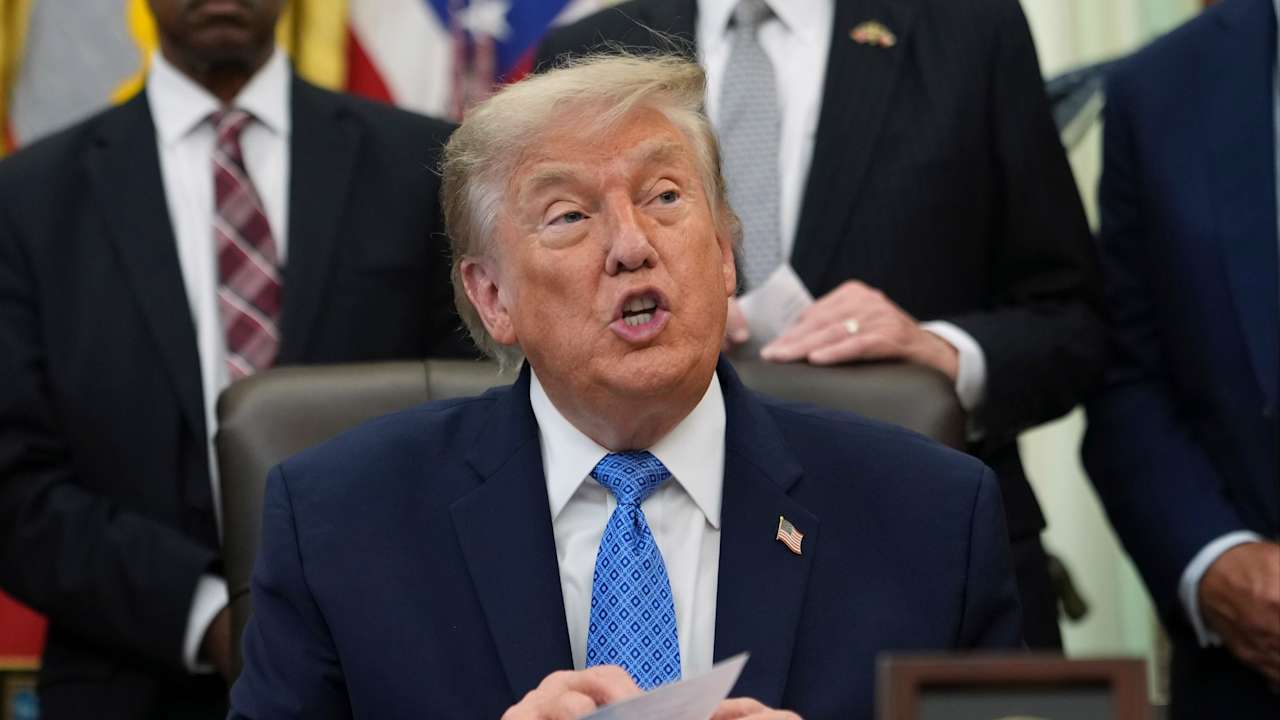
“We knocked down three of them. One of them, I guess – we didn’t miss it. Nobody saw it coming,” Trump said.
The UK has said that the container ship was hit with a projectile off the coast of Oman.
The development came during a fragile time for the US and Iran as they work to negotiate a permanent end to the war. Iran has increasingly challenged the region and the US over its control of the Strait of Hormuz, even with the current interim deal it reached with the US last week.
The attack on the cargo ship happened while a United Nations maritime agency was beginning an operation to move stranded ships out of the strait this week, using an alternative route, hugging the shores of Oman rather than sailing through the central part of the strait.
The International Maritime Organisation halted the evacuations after the attack and said on Friday they won’t resume until there are guarantees that the other ships won’t be attacked.
About 115 ships were able to move out of the strait in recent days, leaving about 500 still in the area, said Arsenio Dominguez, the agency’s secretary-general.
The opening of the alternative passage through the strait was expected to relieve pressure on the world economy and remove Iran’s main source of leverage in ongoing peace talks with the US.
The US and Iran are still negotiating the terms of the deal, including issues such as getting ships through the key strait and addressing the future of Iran’s stockpile of highly enriched uranium.
Under the interim deal, the two sides have 60 days to work out the details.
Shipping analysts said the drone strike cast a shadow over what had been a growing stream of trapped vessels finally leaving the Gulf and an increasing flow of tankers carrying crude oil.
“A week of widening commercial confidence in the Strait of Hormuz has hit its first significant test,” said marine data company Windward on X. It said that while the strait remains operationally open with 43 transits recorded after the incident, “the pace of normalisation has slowed.”
On Wednesday, before Thursday’s drone strike, 78 vessels transited the strait, the highest since the war began, although below the prewar averages of 130 or more per day.
Follow STV News on WhatsApp
Scan the QR code on your mobile device for all the latest news from around the country