
The US has imposed a visa ban on five prominent European figures, accusing them of leading efforts to “coerce” American platforms into censoring or suppressing views.
Britons Imran Ahmed, former Labour adviser and head of Centre for Countering Digital Hate (CCDH), and Clare Melford, CEO of the Global Disinformation Index, along with ex-EU commissioner Thierry Breton, are among those barred.
The move has been condemned by French President Emmanuel Macron and the European Commission, which supervises tech regulation in Europe.
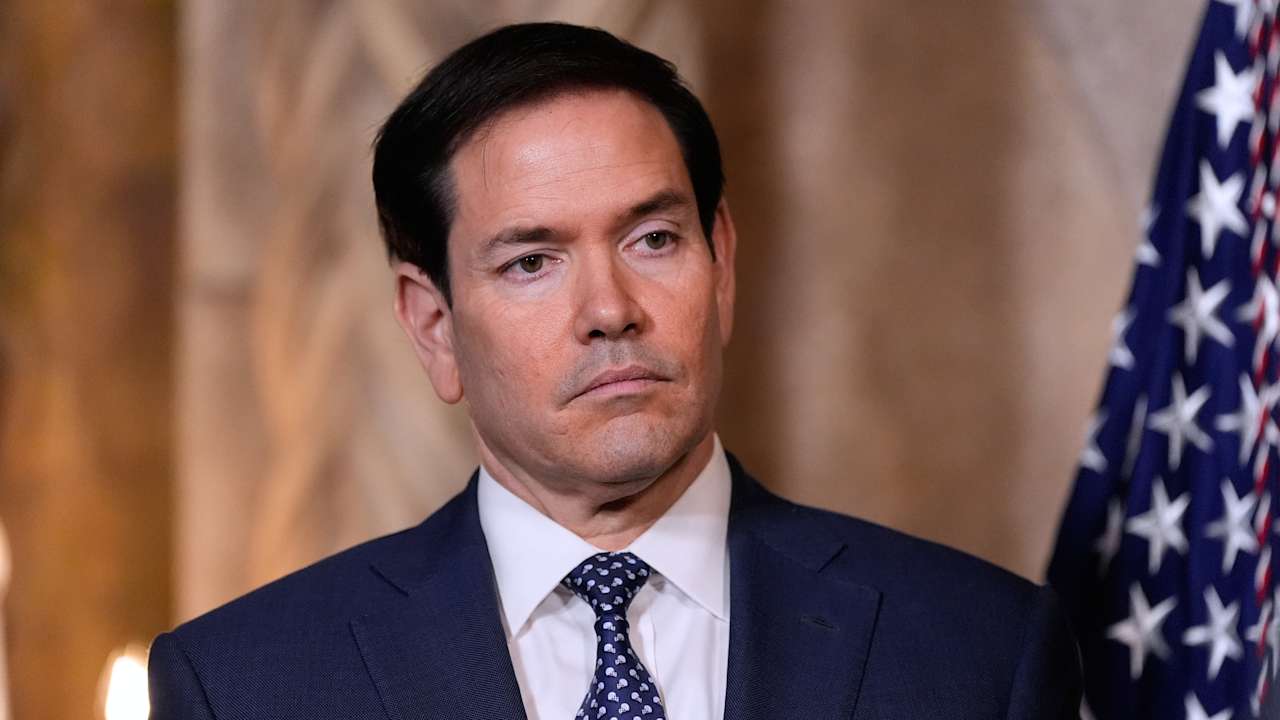
US Secretary of State Marco Rubio said the five Europeans were “radical” activists who had “weaponised” nongovernmental organisations.
Breton, a businessman and former French finance minister, clashed last year on social media with tech billionaire Elon Musk over broadcasting an online interview with Donald Trump in the months leading up to the US election.
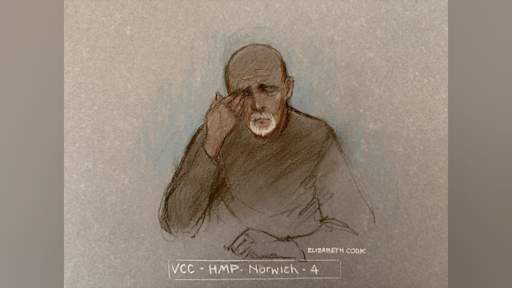
Musk also declared “war” on the CCDH in October 2024, branding it a “criminal organisation”. At the time, Mr Ahmed, from Manchester, told the Guardian they were going to “tirelessly” continue their work.
He previously told the Triggernometry podcast that the origin of CCDH came while working as an adviser to Labour MP Hilary Benn, who was the shadow foreign secretary at the time.
He said he was inspired to start the organisation after seeing the rise of antisemitism on the left in the UK and the murder of his colleague, Jo Cox MP, by a white supremacist, who was radicalised, in part, online.
The action to bar the campaigners from the United States is part of a Trump administration campaign against foreign influence over online speech, using immigration law rather than platform regulations or sanctions.
The European Commission condemned the move, saying that “the EU is an open, rules-based single market, with the sovereign right to regulate economic activity in line with our democratic values and international commitments.”
“Our digital rules ensure a safe, fair, and level playing field for all companies, applied fairly and without discrimination,” it said.
Macron said that the visa restrictions “amount to intimidation and coercion aimed at undermining European digital sovereignty” in a post on X.
He said that the EU’s digital rules were adopted by “a democratic and sovereign process” involving all member countries and the European Parliament. He said that the rules “ensure fair competition among platforms, without targeting any third country.”
Subscribe free to our weekly newsletter for exclusive and original coverage from ITV News. Direct to your inbox every Friday morning.
He underlined that “the rules governing the European Union’s digital space are not meant to be determined outside Europe.”
Rubio wrote in an X post on Tuesday that “for far too long, ideologues in Europe have led organised efforts to coerce American platforms to punish American viewpoints they oppose.”
“The Trump Administration will no longer tolerate these egregious acts of extraterritorial censorship,” he posted.
Josephine Ballon and Anna-Lena von Hodenberg, leaders of HateAid, a German organisation, have also been banned.
In a post on X on Tuesday, Sarah Rogers, the US under secretary of state for public diplomacy, called Breton the “mastermind” behind the EU’s Digital Services Act, which imposes a set of strict requirements designed to keep internet users safe online. This includes flagging harmful or illegal content like hate speech.
Breton responded on X by noting that all 27 EU member countries voted for the Digital Services Act in 2022. “To our American friends: ‘Censorship isn’t where you think it is,’” he wrote.
From Westminster to Washington DC – our political experts are across all the latest key talking points. Listen to the latest episode below…
Follow STV News on WhatsApp
Scan the QR code on your mobile device for all the latest news from around the country