ITV News International Editor Emma Murphy and Correspondent Robert Moore explain what we know so far about the agreement between the US and Iran and what could happen next
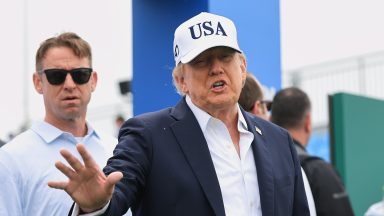
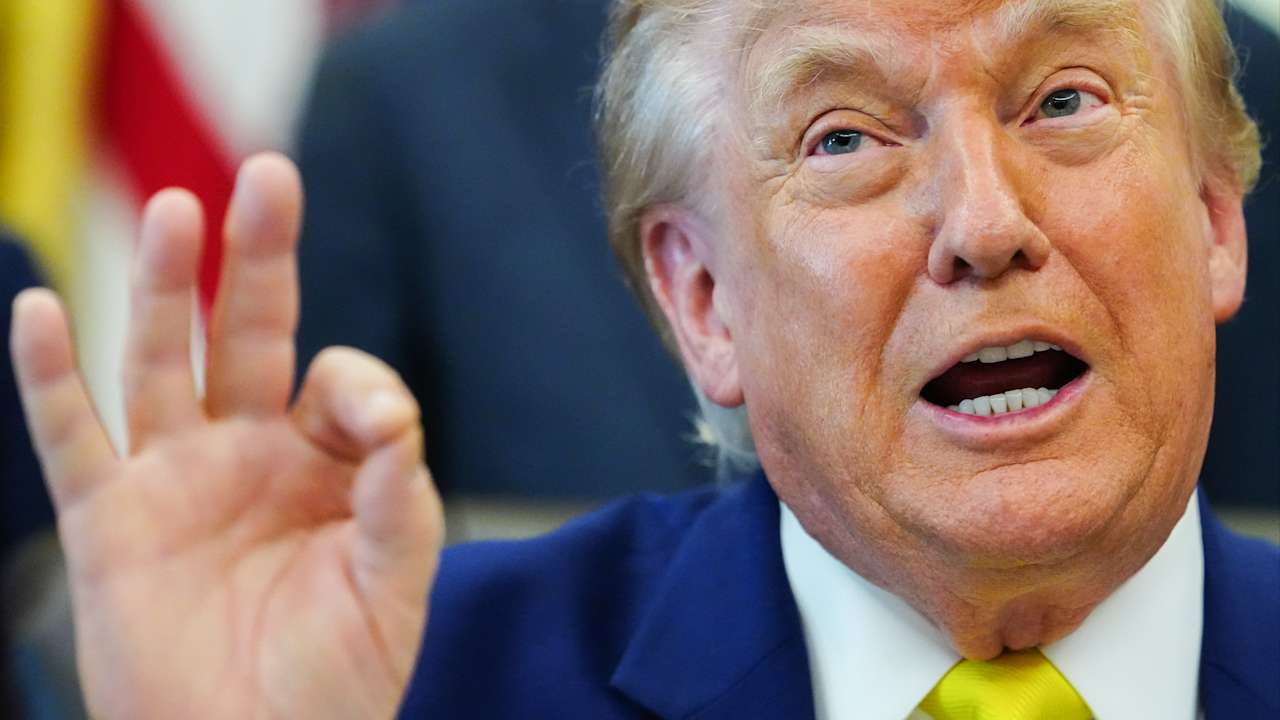
Donald Trump has said a peace deal between the US and Iran “is now complete” and will be followed by the opening of the Strait of Hormuz.
In a statement on his Truth Social platform at around 10.30pm UK time, the US President said: “Congratulations to all!
“I hereby fully authorize the toll free opening of the Strait of Hormuz, and, simultaneously herewith, authorize the immediate removal of the United States Naval blockade.
“Ships of the World, start your engines. Let the oil flow! President DONALD J. TRUMP.”
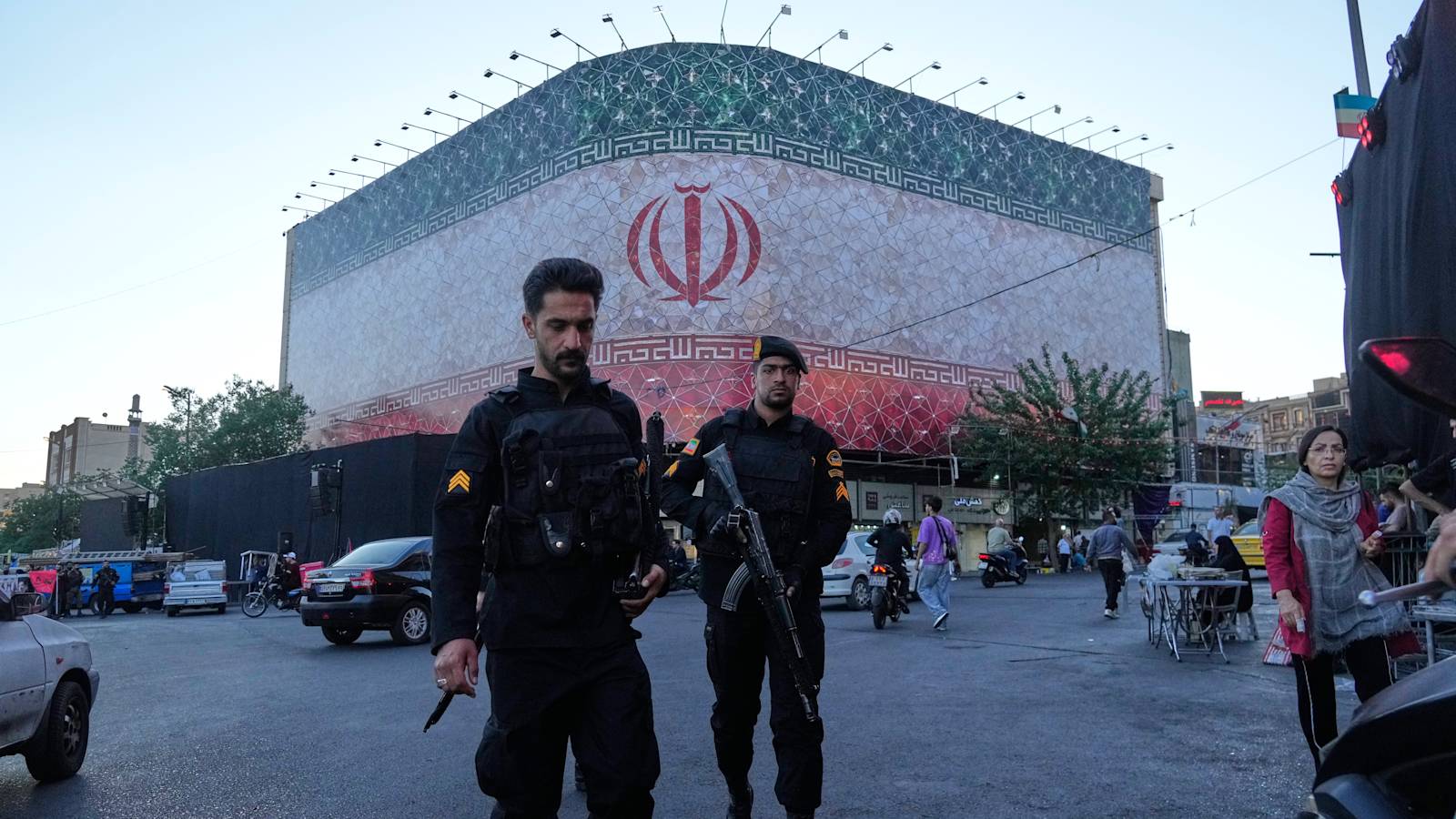
Details of the deal were not immediately released and Iran signaled implementation would not start until the signing, which key mediator Pakistan said would take place in Switzerland on Friday.
“Following intensive talks, we are pleased to announce that the Peace Deal between the United States of America and Islamic Republic of Iran has been REACHED,” Pakistan’s prime minister Shehbaz Sharif posted on X at 10.15pm UK time.
“Both sides have declared the immediate and permanent termination of military operations on all fronts, including in Lebanon. The official signing ceremony will be on Friday, 19 June in Switzerland.”
Sharif thanked the US and Iran for their “commitment to finding a diplomatic solution to the conflict” and expressed his appreciation to Qatar, Saudi Arabia and Turkey for their contributions to the peace process.
“With the agreement now in place, mediators will facilitate a series of meetings this week,” he added. “These pre-implementation discussions will lay the foundation for the technical talks and the official signing ceremony.”
Iran’s semi-official Fars News Agency also confirmed the reaching of an agreement, claiming that Tehran had pressured Washington into a deal.
It quoted Iranian Deputy Foreign Minister Kazem Gharibabadi as saying: “Our military power today helped advance our issues and finalise the agreement.
“Our armed forces were ready to respond to the Zionists. Wherever there is a deficiency in the reciprocal implementation of commitments, we will take our specific action proportionate to the matter.”
He is also quoted as saying: “The immediate and permanent end to the war and military operations across various fronts, including Lebanon, will be announced starting tonight. Another development is the termination of the naval blockade.”
“We will soon publish the text of the agreement, and the people will see what level of achievements we have obtained and what level of commitments we have given. Our commitments in comparison to our achievements are not comparable.
“On Friday, the heads of the delegations of both sides will discuss determining the arrangements for the future negotiations.”
It was unclear how quickly the strait might reopen to all traffic.
The US previously said it would ease its blockade of Iranian ports as the strait reopens, and would agree to relax sanctions to allow Iran to sell more of its oil and strengthen its battered economy.
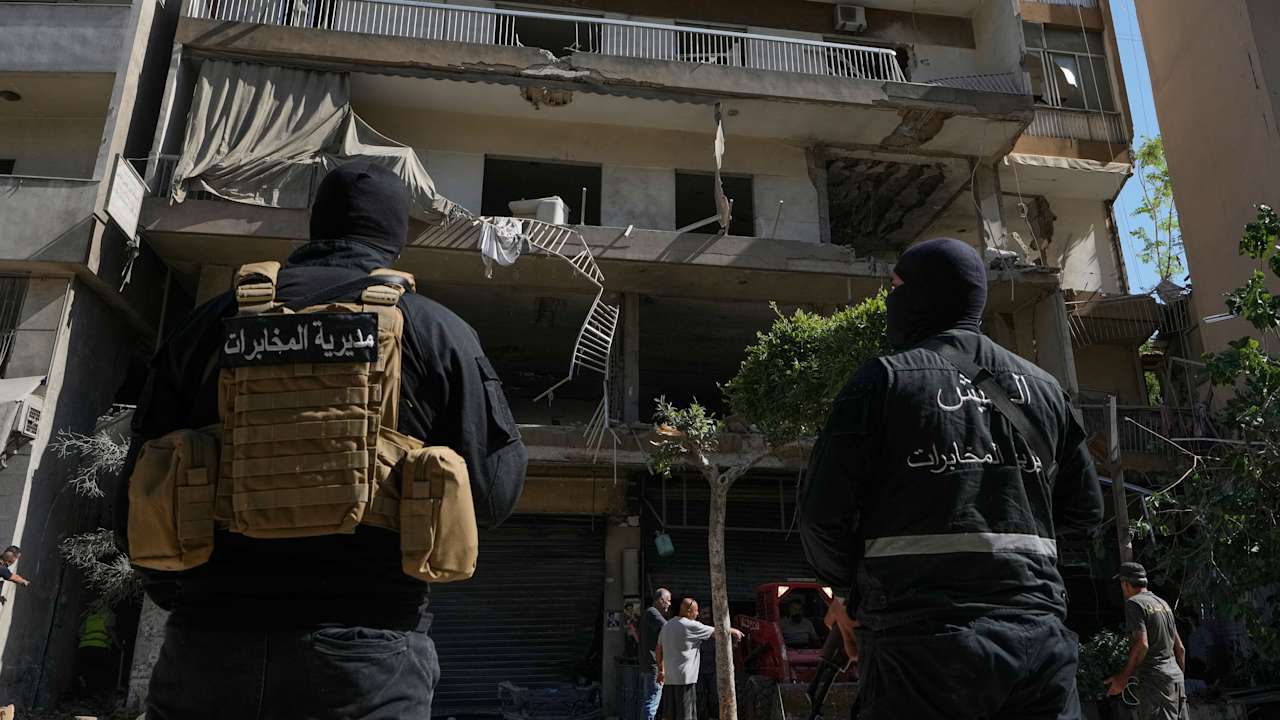
Iranian state media reported Pakistan’s statement after a day in which Israel – sidelined from the negotiations – attacked what it said were Hezbollah targets in the southern suburbs of Beirut.
This attack on the Lebanese capital when a deal was so close to being reached threatened to derail the process, with Iran threatening a military response and President Trump calling for restraint from both sides.
The deal largely returns the region to a status that existed before the war, but with thousands of people dead and Iran establishing a new method of negotiating pressure with its ability to influence transits of the strait.
The waterway is crucial to significant shipments of oil, natural gas and related products like fertiliser, and its effective closure rocked the global economy.
When Israel and the US launched their war on Iran on February 28, with strikes that killed Iran’s supreme leader, Ayatollah Ali Khamenei, the two allies said preventing the Islamic Republic from developing a nuclear weapon was a top priority.
Iran still has stockpile of highly enriched uranium, which it insists is for civilian purposes, and a missile programme, despite its military capabilities taking a significant hit from the war.
It is unclear what terms regarding Iran’s would-be nuclear capabilities have been agreed upon, and what still needs to be ironed out in technical talks.
Iran wanted a ceasefire deal to include the fighting in Lebanon, where Israel has pushed its invasion deeper than at any point in over a quarter-century as it targets Tehran-backed militant group Hezbollah.
Tehran also has sought the release of billions of dollars in frozen funds.
There was apparent friction inside Iran in the hours before the announcement, as the government earlier Sunday warned that any division at home over the deal weakens its negotiating position.
Iranian President Masoud Pezeshkian urged national unity and called it a “disgrace” when someone stands before parliament and calls anyone who negotiates a traitor.
Follow STV News on WhatsApp
Scan the QR code on your mobile device for all the latest news from around the country