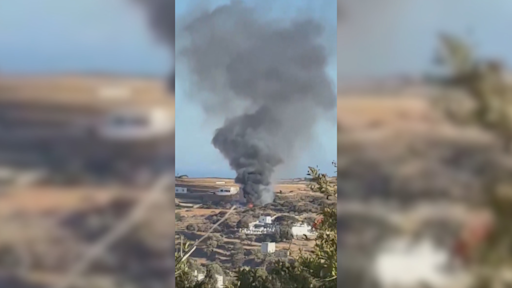
The United States launched a second round of airstrikes on Iran overnight into Thursday, with Iran responding by striking targets in Bahrain, Kuwait and Jordan.
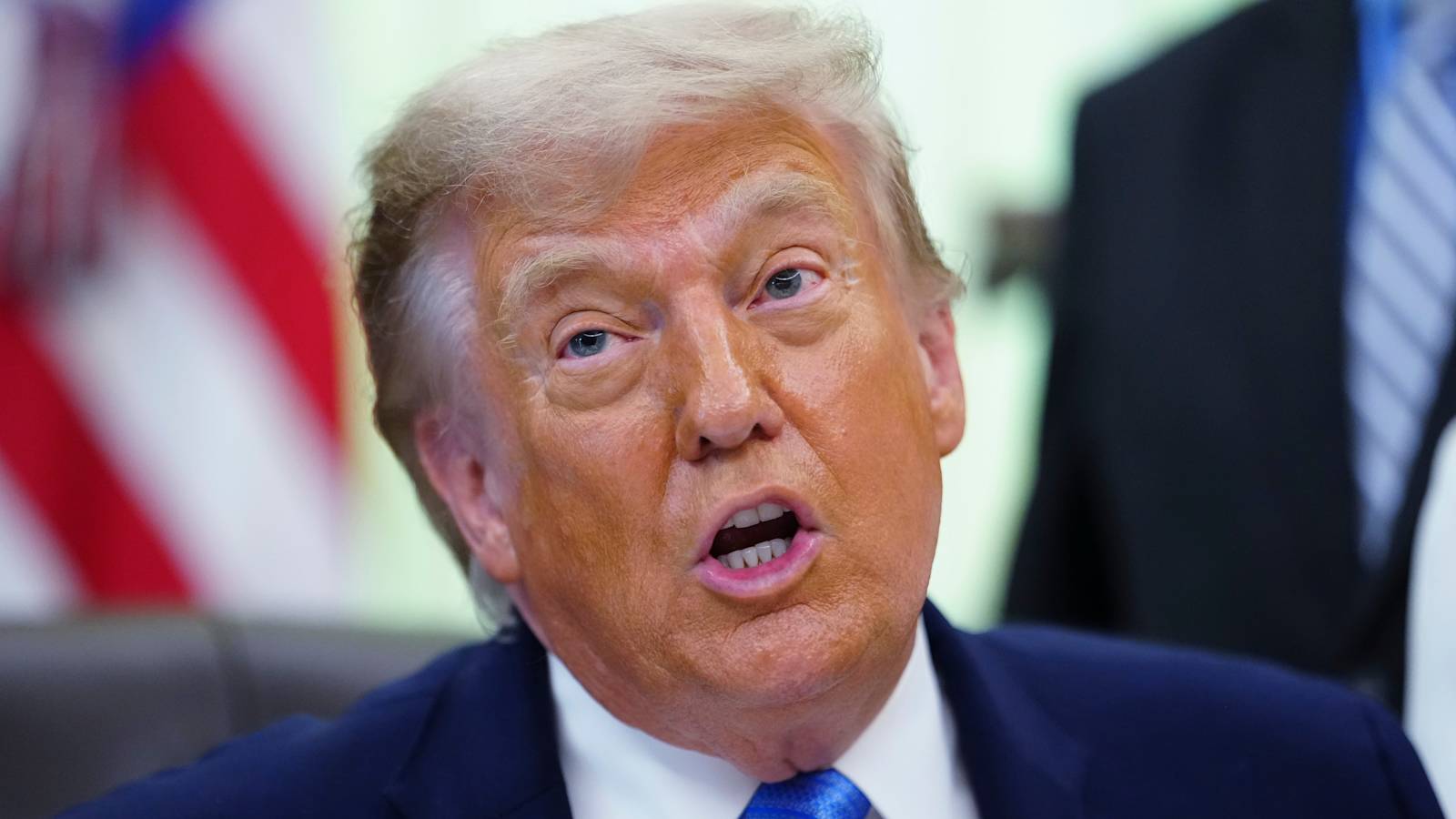
It comes after US President Donald Trump warned Tehran that it would “pay the price” over a lack of progress in reaching a peace deal.
With efforts to negotiate an end to the war appearing stuck, Iran insisted it would maintain its chokehold on the Strait of Hormuz, which has disrupted global energy supplies and pushed up oil prices.
The ensuing American attack across multiple Iranian cities appeared more intense than the day before, although the Tehran government released no information about what was hit.
Kuwait, one of Washington’s allies in the Gulf region, closed its airspace because of the Thursday morning attack, without elaborating on any damage.
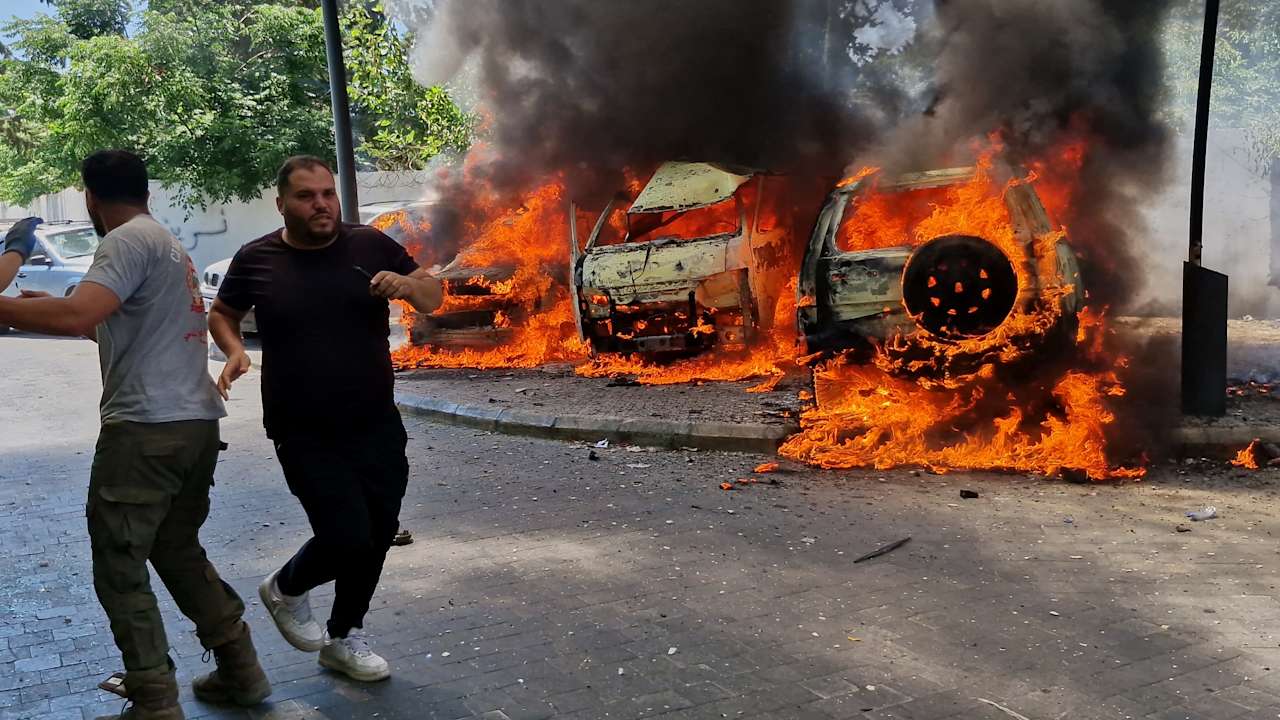
Jordan didn’t acknowledge the attack, though the US Embassy in Amman warned about it. Bahrain sounded its missile alert sirens without mentioning possible damage there.
The US Central Command said its latest round of airstrikes ended just before sunrise on Thursday in Iran.
It said the strikes were “in response to Iran’s unwarranted and continued aggression” and targeted “Iranian military surveillance capabilities, communication systems and air defence sites”.
Explosions from the strikes echoed around Iran’s capital, Tehran, as well as the port city of Bandar Abbas and other southern areas along the Strait of Hormuz.
Early on Thursday, Israel also warned residents in the north to seek shelter after the detection of suspected incoming fire from Lebanon.
The third back-and-forth strikes this week puts in jeopardy an already shaky two-month ceasefire still notionally in place.
The first were attacks between Iran and Israel on Sunday into Monday, followed by the two rounds of fire between America and Tehran.
Trump has urged Iran to sign a deal to end the war and suggested earlier this week that an agreement could be reached in days.
But Iran has proved resilient despite weeks of heavy bombing, and its ability to effectively close the Strait of Hormuz – a crucial passageway for oil and natural gas – gives it a strong bargaining chip.
Still, both countries seem to be looking for a way to end the conflict –if they can manage to sell it as a win at home.
Trump said that since last month, the US military has undertaken a “secret mission” to sneak oil shipments past Iran’s forces in the Strait of Hormuz.
He said ships were slipping through at night, aided by the destruction of Iranian radar equipment, resulting in 100 million barrels of oil evading Iran’s chokehold of the strait.
There was no immediate confirmation of that figure, which roughly equals five days of oil shipments through the waterway before the war began. The military’s role was not immediately clear.
Wary of high petrol prices in the run-up to midterm elections in November, Trump seems to be looking for a quick win, but he is also making demands that will be tough for Iran to swallow.
The US wants to see Iran give up its stockpile of highly enriched uranium. While Iran insists its nuclear program is peaceful, that uranium is a short technical step from weapons-grade levels.
Iran is refusing to give up the uranium and demanding relief from sanctions. It also wants the release of frozen assets even before a final agreement is in place, something Trump rejected.
Iran has insisted that any deal to end the war must also end fighting between its ally Hezbollah and Israel.
Meanwhile Israeli Prime Minister Benjamin Netanyahu appears intent on pursuing goals that make compromise harder, including the collapse of Tehran’s theocratic government and the destruction of the Iranian-allied Hezbollah militant group in Lebanon.
Follow STV News on WhatsApp
Scan the QR code on your mobile device for all the latest news from around the country