
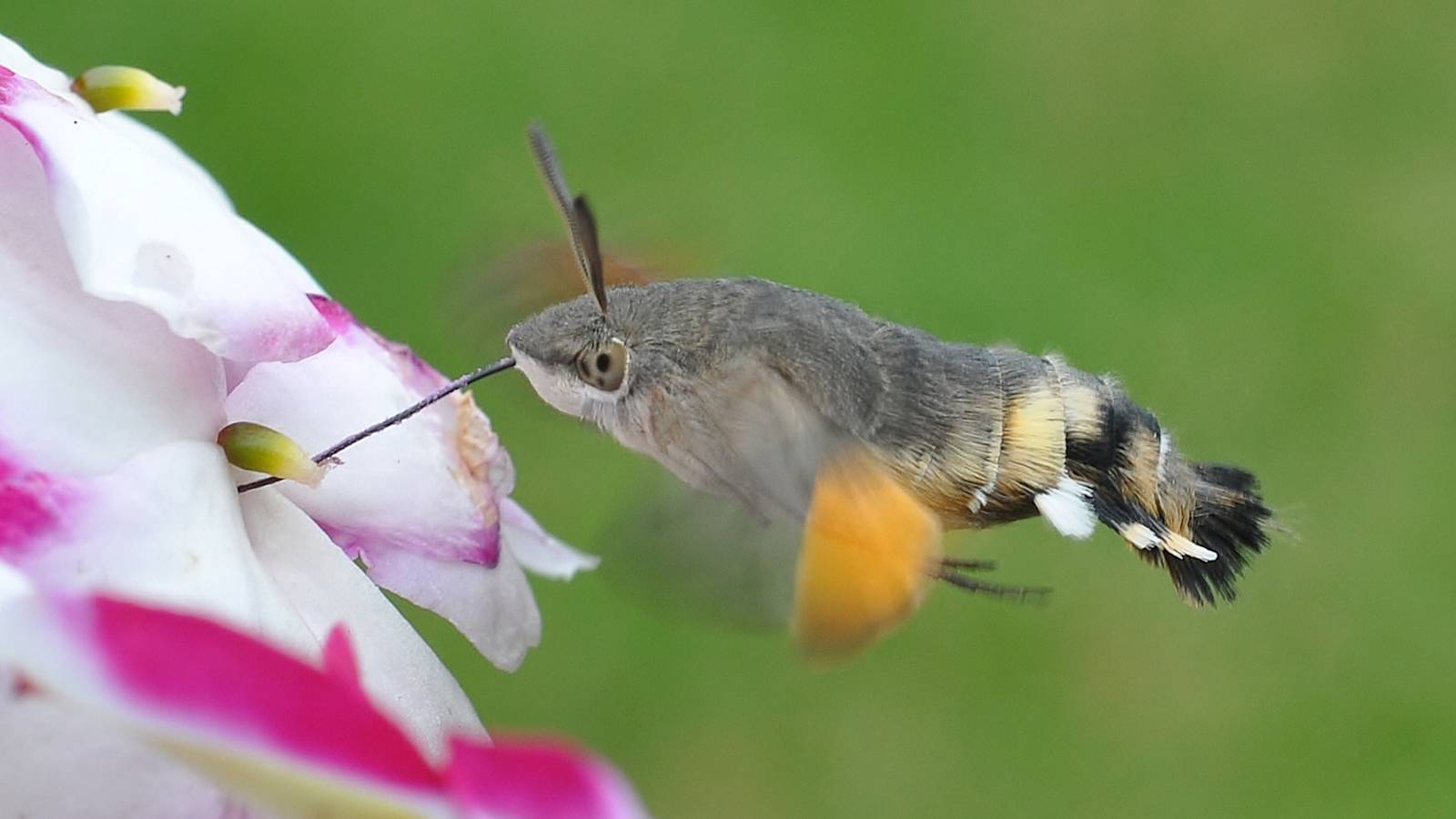
There were only eight recorded sightings of hummingbird hawk-moths in the UK in 2021, but this year many more have been reported across the country, ITV News Midlands Correspondent Ben Chapman reports
Known for their distinctive grey furry bodies and bright orange wings, hummingbird hawk-moths are out in full force this summer, with Britons taking to social media to share their snaps of the unusual creature.
There were only eight recorded sightings of the hummingbird hawk-moth in the UK 2021, according to the National Trust.
However this year, they say, is a “hummingbird hawk-moth summer”, with many more sightings being reported in gardens up and down the country this year.
If you have seen a moth with a distinctive grey furry body, bright orange wings, and what looked a little like a black-and-white “tail”, you may have spotted one too.
Despite being a small species, growing up to 6cm long, the hummingbird hawk-moth is often mistaken for a tiny bird.
“Its hovering flight is a distinguishing feature; it flutters its wings so quickly that it can appear orange and makes an audible hum”, say the Wildlife Trust.
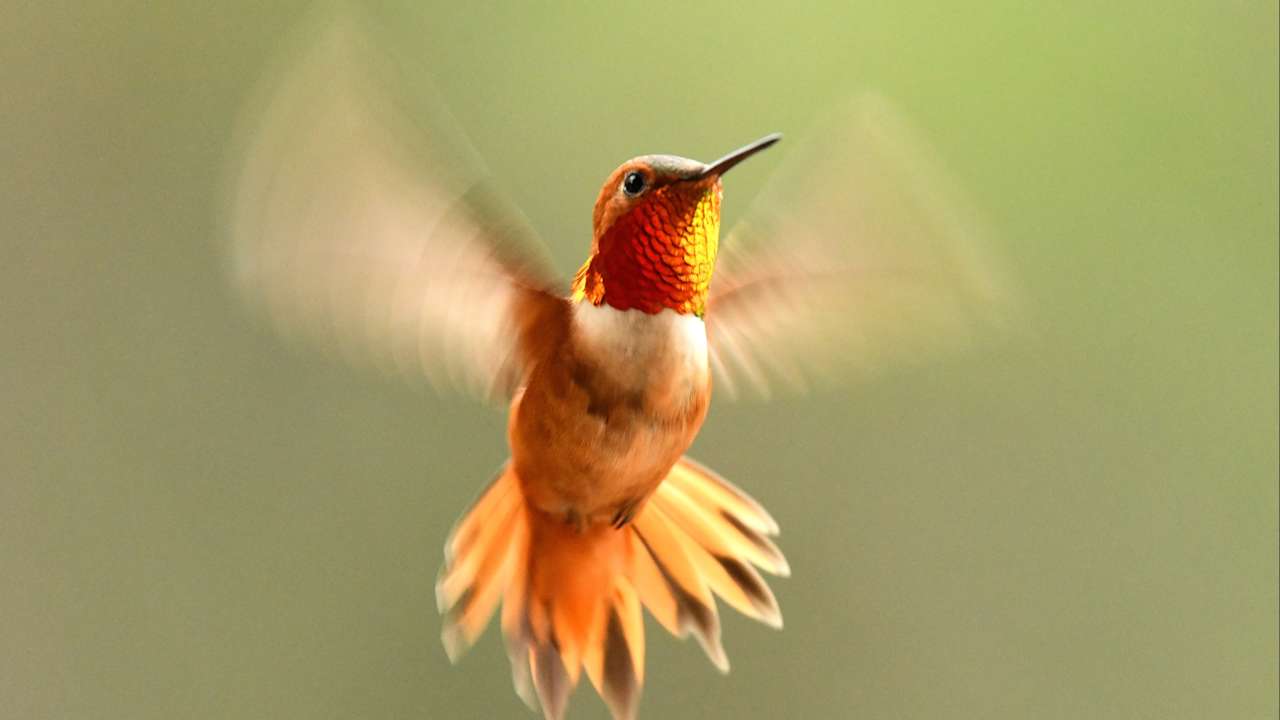
The quick-winged moth has a lot in common with the hummingbird, which it is named after, a species native to the Americas.
However, the hummingbird hawk-moth can beat their wings up to 80 times a second, faster than their namesake – allowing them to fly up to 12 miles and hour.
Why are we seeing so many this year?
The day-flying moth can be spotted in the UK in the summer, migrating from Southern Europe.
It is more common in some years, but the Wildlife Trust’s Strategic lead on Agriculture Vicki Hird told ITV News that the number of sightings this year is “really unusual”.
Experts have attributed this year’s hot weather and strong winds across Europe.
“Windy conditions”, she explained, can “push” the moth “higher and over the country”.
“It’s possible that their food sources in Europe are being challenged by the drought and that they are finding more [food] over here”, she added.
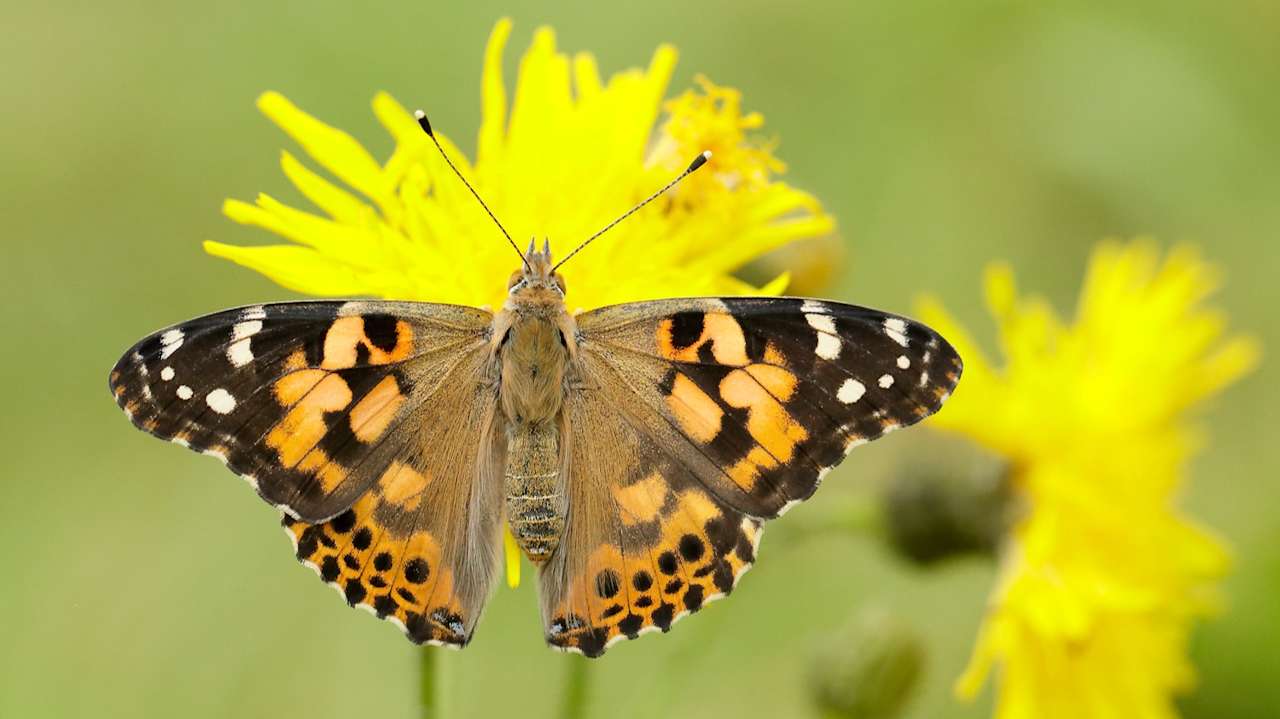
The UK is also experiencing a once-in-a-decade “painted lady summer” as huge numbers of the migratory butterflies arrive and breed here, conservationists have said.
Wildlife charity Butterfly Conservation have also attributed this increase to warmer weather.
Will a hummingbird hawk-moth visit my garden?
If you want to spot a hummingbird hawk-moth in your garden, Vicki advises growing flowering plants.
“These hummingbird hawk-moths absolutely love flowering plants like valerian and buddleia”, she said.
The species also requires bedstraw to lay their eggs in, as this is what their caterpillars eat.
Follow STV News on WhatsApp
Scan the QR code on your mobile device for all the latest news from around the country