The UK’s annual inflation rate fell to 2.8% in April, the Office for National Statistics said on Wednesday.
Experts had expected the rate to decrease from 3.3% in March to around 3% as household energy bills dropped to offset a jump in fuel prices last month.
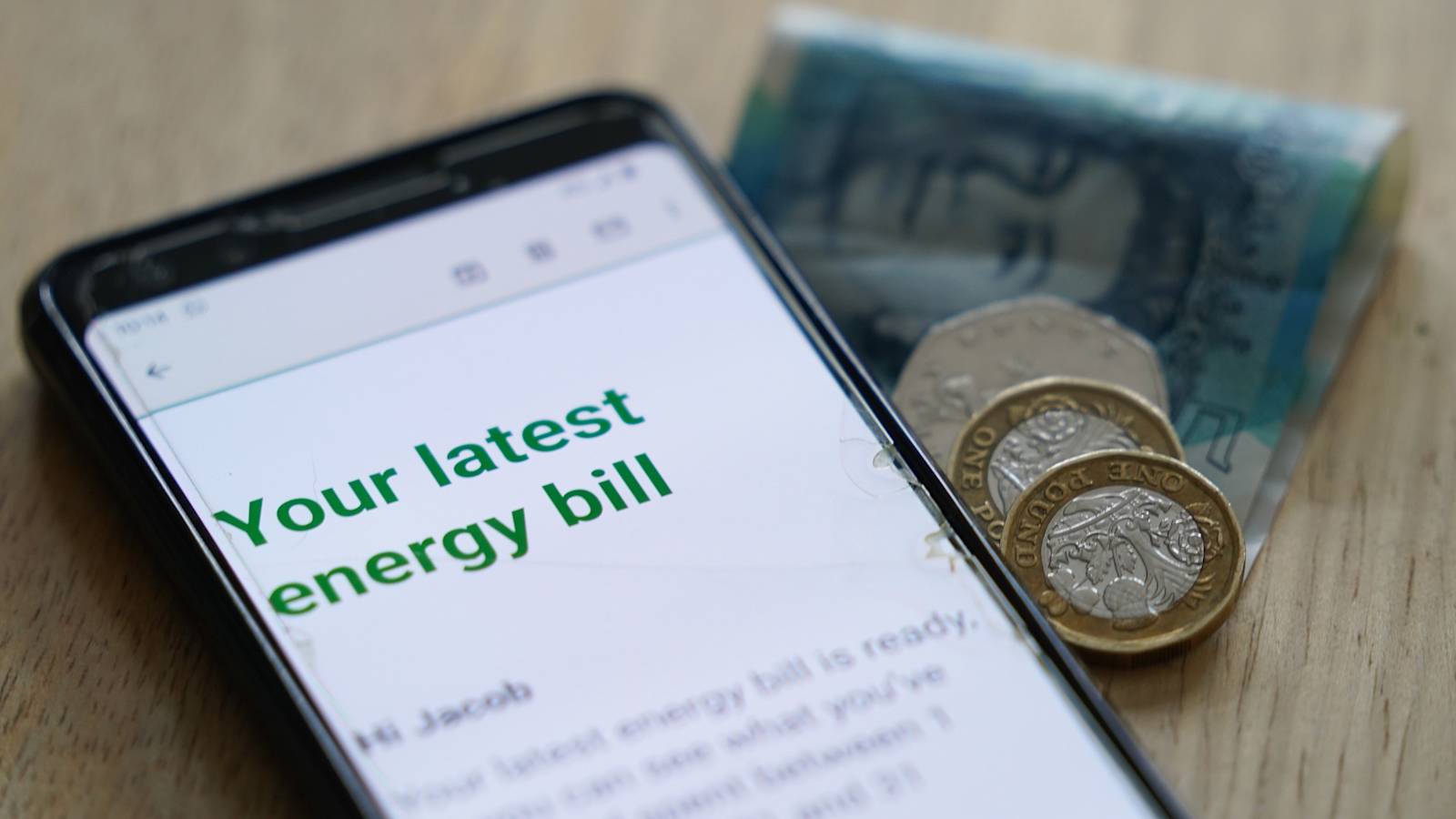
Ofgem lowered its energy price cap from the start of April by 7%, or £10 a month, for the average household using both electricity and gas.
The new figure means that prices are still rising year-on-year, but at a slower rate than they were the month before.
“There was a notable fall in annual inflation led by lower electricity and gas prices,” said ONS Chief Economist Grant Fitzner.
“This was due to the government’s energy bill support package reducing variable and fixed tariffs, along with lower global wholesale energy prices before the conflict in the Middle East, which fed through to the reduction in the Ofgem cap.
“Smaller rises in water and sewage bills and Vehicle Excise Duty than seen last year also helped pull the rate down. Food prices, particularly for chocolate and meat products, and the price of package holidays drove inflation down further.
“These were only partially offset by a further increase in petrol and diesel prices, and an uptick in the cost of clothing and footwear.
“The annual cost of both raw materials and goods leaving factories continued to rise, driven again by higher crude oil and petrol prices.”
Follow STV News on WhatsApp
Scan the QR code on your mobile device for all the latest news from around the country