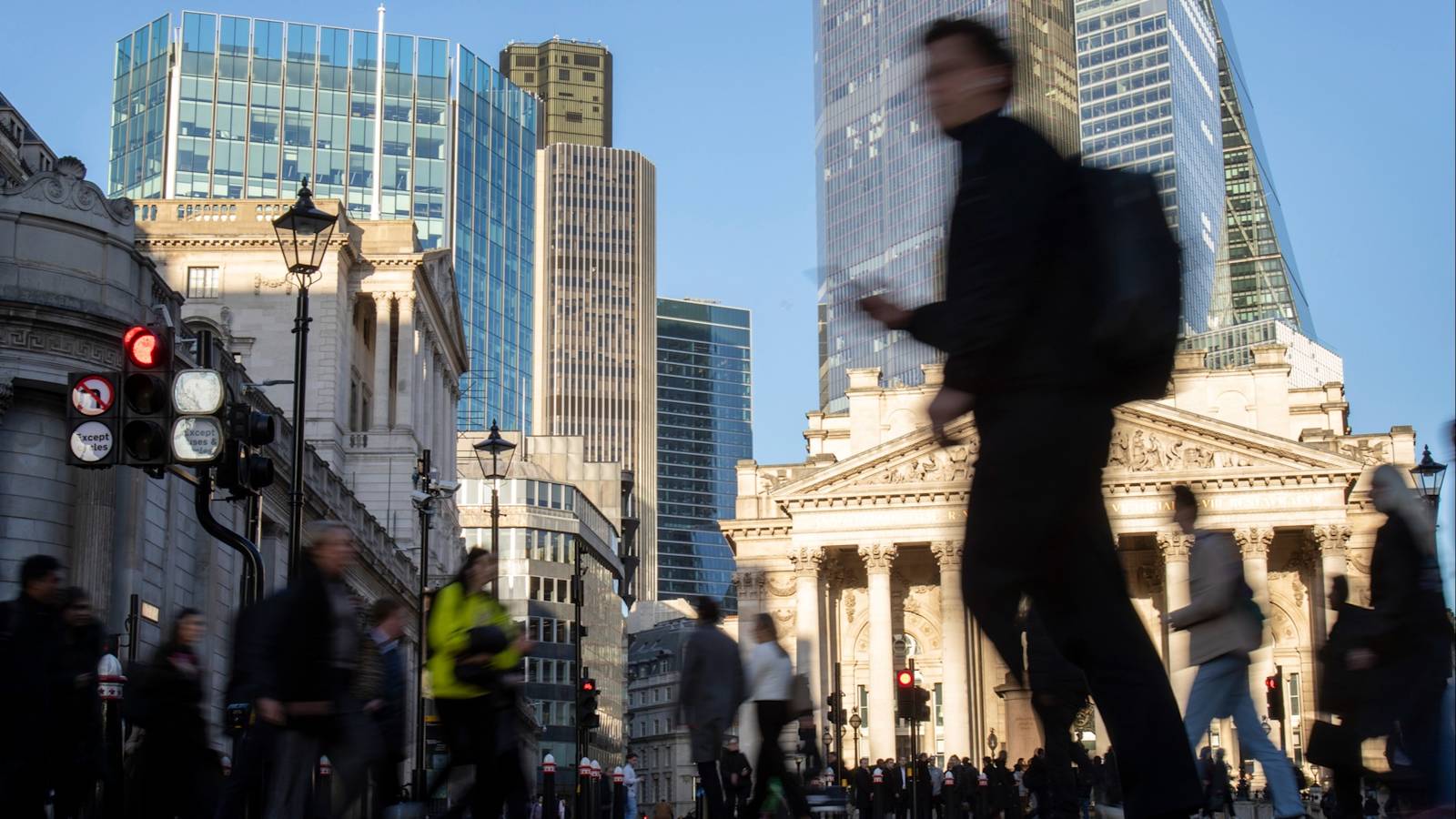
The UK economy grew by 0.4% between April and June, according to the ONS, but Treasury officials warn the economy may not grow at all next year if conflict around the Strait of Hormuz continues to affect trade.
The growth had been predicted by a consensus of economists, and follows a rise of 0.6% in GDP for the first three months of 2026.
Director of Economic Statistics for the ONS, Liz McKeown, said: “Growth slowed in the second quarter of the year, following a strong start to 2026, but remained relatively robust.
“Services were once again the main driver of growth, while production was broadly unchanged and construction also grew.”
Speaking prior to the announcement, Rob Wood, chief UK economist for Pantheon Macroeconomics, said this would show “the big picture is that the economy has remained resilient to the hit from the war in Iran”.
The services sector – the most dominant in the UK economy – strengthened in May, largely coming from professional services and scientific research and development.
Furthermore, recent data has pointed to factories and manufacturing firms stockpiling in anticipation of supply shortages and price rises, which has helped keep growth elevated.
But a weaker picture may be emerging from June as the heatwaves bring mixed results for businesses and some industries come under increasing pressure, economists said.
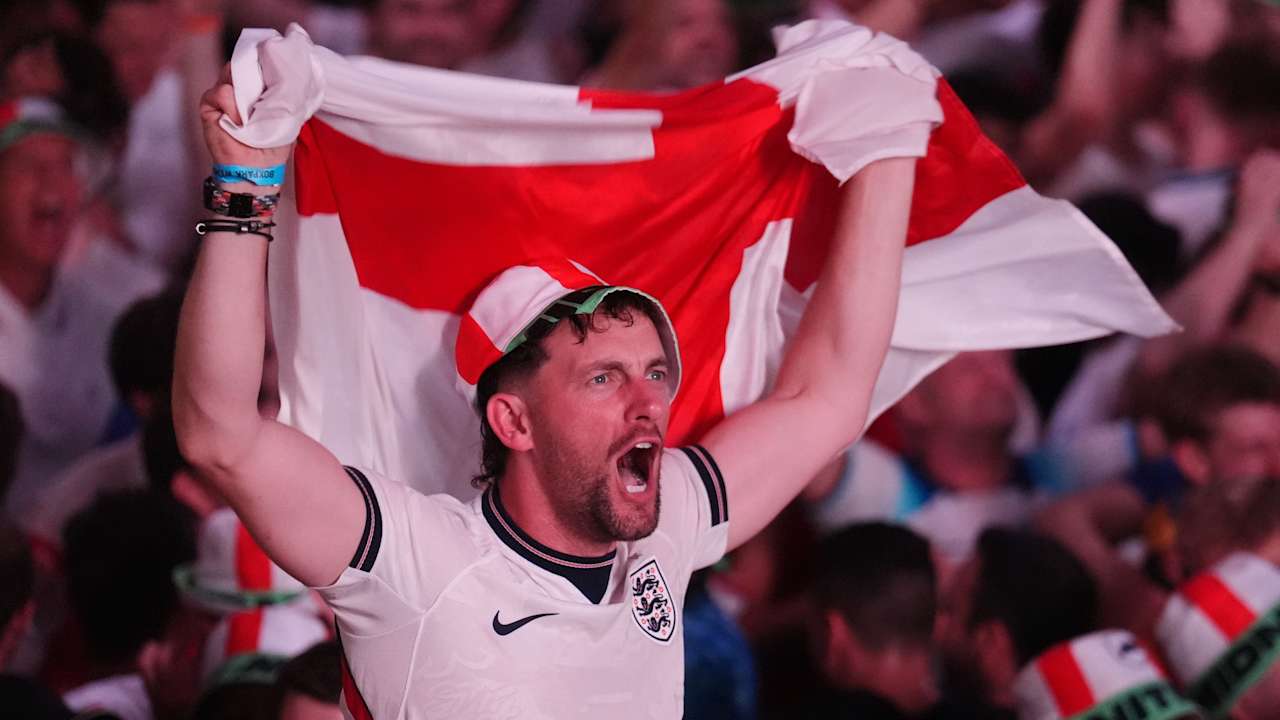
Thomas Pugh, chief economist for RSM UK, said he was expecting the services industry to have been dragged down by a fall in hospitality activity, despite the FIFA World Cup kicking off in June.
Mr Pugh said its own business surveys suggest “consumers were likely switching away from restaurants towards pubs to watch the World Cup, rather than increasing the total amount of spending”.
But he added: “There could still be a boost to activity in July, given the scorching weather and England reaching the semi-finals.”
Growth could be set to slow into next year however, with internal modelling from the Treasury suggesting UK GDP could see growth as low as 0.3% in 2027, government sources have said.
Officials have said they routinely plan for all possible scenarios, with this growth projection linked to a more extreme situation.
On Wednesday, modelling shown to the prime minister and chancellor, first reported by Bloomberg, said the UK economy could grow by 0.9% this year if there is no permanent peace deal between the US-Israeli forces and Iran.
This would miss the 1.1% prediction from the OBR earlier this year. The OBR had also predicted 1.6% GDP growth in 2027.
The more extreme scenario also indicated that Consumer Price Index (CPI) inflation could peak at 4.3% in the first quarter of next year, with disruption in the Strait of Hormuz likely to keep oil and gas prices elevated.
In response to the latest economic growth data, Chancellor of the Exchequer John Healey said: “I know people are worried about the impact of the conflict in the Middle East on their cost of living, which has been too high for too long and it has added pressure on British businesses.
“This is an active, hands-on government, putting British interests first – giving breathing space to those feeling the strain, making our country more resilient and bringing hope back.
“We’ve seen the fastest growth in the G7 this year, but we now need to double down and drive growth in every postcode.”
Follow STV News on WhatsApp
Scan the QR code on your mobile device for all the latest news from around the country