A sharp rise in fuel prices – triggered by the war in Iran – has driven up inflation to its highest level in months, as Economics Editor Joel Hills reports
Prices across the United Kingdom rose at an annual rate of 3.3% in March – a leg up from 3% in February – as the economic aftershock of war in Iran began to be felt.
Higher inflation was driven by the price of heating oil and fuel.
Petrol rose by 8 pence a litre last month; diesel prices rose by 17 pence. And it was just the beginning.
Domestic energy bills are set to rise in July and again in October – if the Strait of Hormuz remains closed.
Food and drink inflation has edged up to 3.7%.
“The clouds are gathering but the storm has not yet broken,” warns the Food and Drink Federation (FDF).
When fossil fuel prices rise, food becomes more expensive to grow, transport, process, package, heat and chill.
The FDF has double-digit inflation pencilled in for Christmas – and that’s in its “best-case” scenario.
We are in the foothills of something serious, but let’s not scare ourselves senseless.
No economist believes the wave of inflation now building is on anything like the scale of the one we lived through when Russia invaded Ukraine.
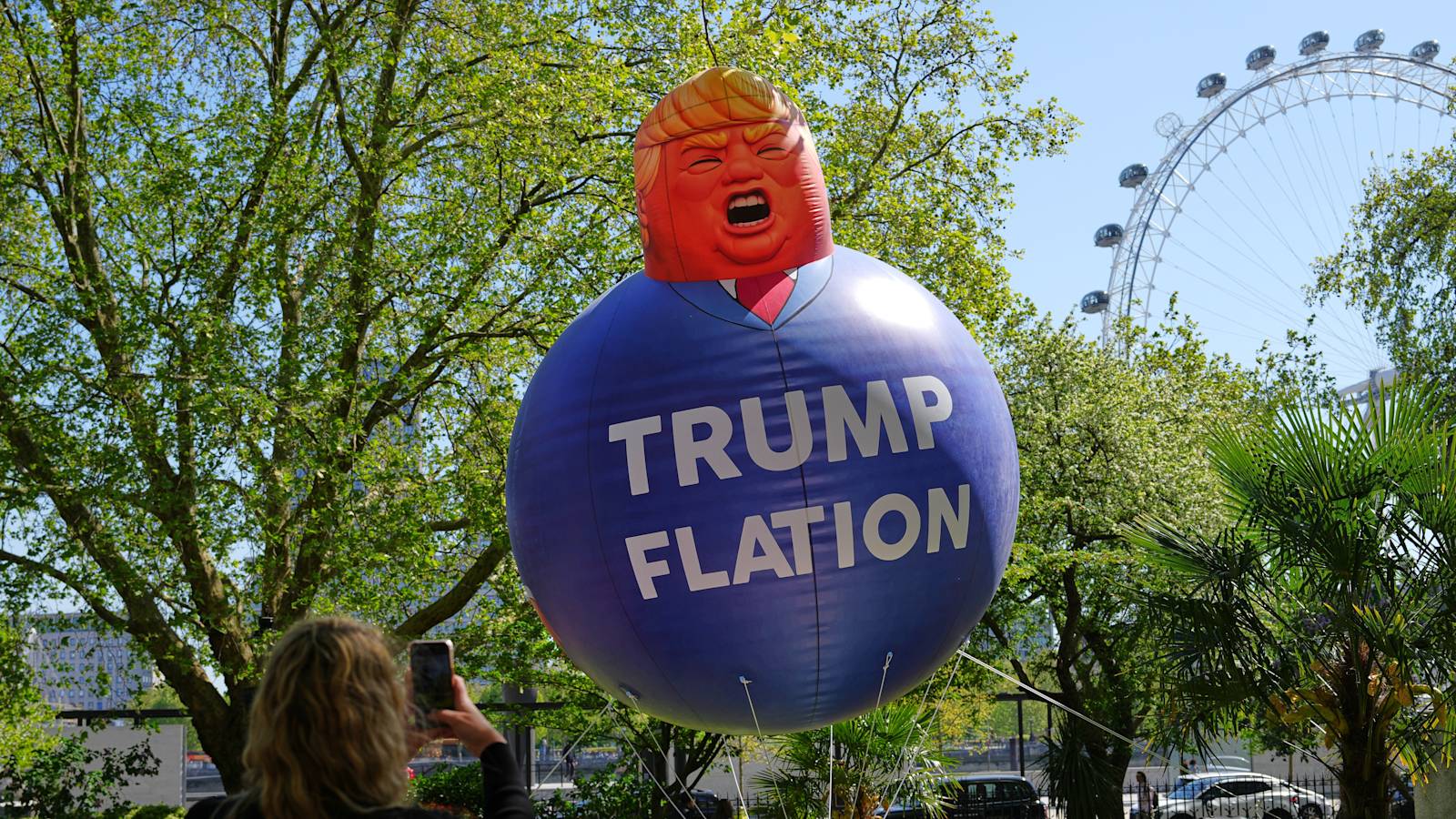
“Trumpflation” – as government officials call it in private, but definitely not in public – looks less painful.
“This is not our war,” the chancellor said in a statement this morning – distancing the government from the price rises voters are now grappling with, and reminding them that the prime minister resisted the clamour to rush in behind US and Israeli attacks.
“We’ve taken £117 off energy bills, frozen rail fares and protected motorists with the fuel duty freeze. We’re acting to protect people from unfair price rises, to bring down food prices at the till, and are boosting long-term energy security.”
Fair enough but a squeeze is coming. Voters hate inflation and – fairly or not – tend to blame the government of the day.
Markets expect the Bank of England to raise interest rates at least once before the year is out.
That’s not nailed on. Higher rates won’t restore the flow of oil, gas, fertiliser and jet fuel from the Middle East.
They would, however, hit households and businesses if they respond to another squeeze on living standards by demanding higher pay or raising prices – increasing upward pressure on inflation.
We’re not there yet and may never be.
The economy is weak and inflation is gathering pace. Both are bad; it is not yet clear which is worse.
“We still think a prolonged pause, rather than a series of interest rate hikes, is the most likely outcome,” said Capital Economics.
Follow STV News on WhatsApp
Scan the QR code on your mobile device for all the latest news from around the country