Donald Trump is weighing his options.
The US president, who appears to believe more in a force-based order than a rules-based one, now faces one of his biggest decisions: to strike Iran or not.
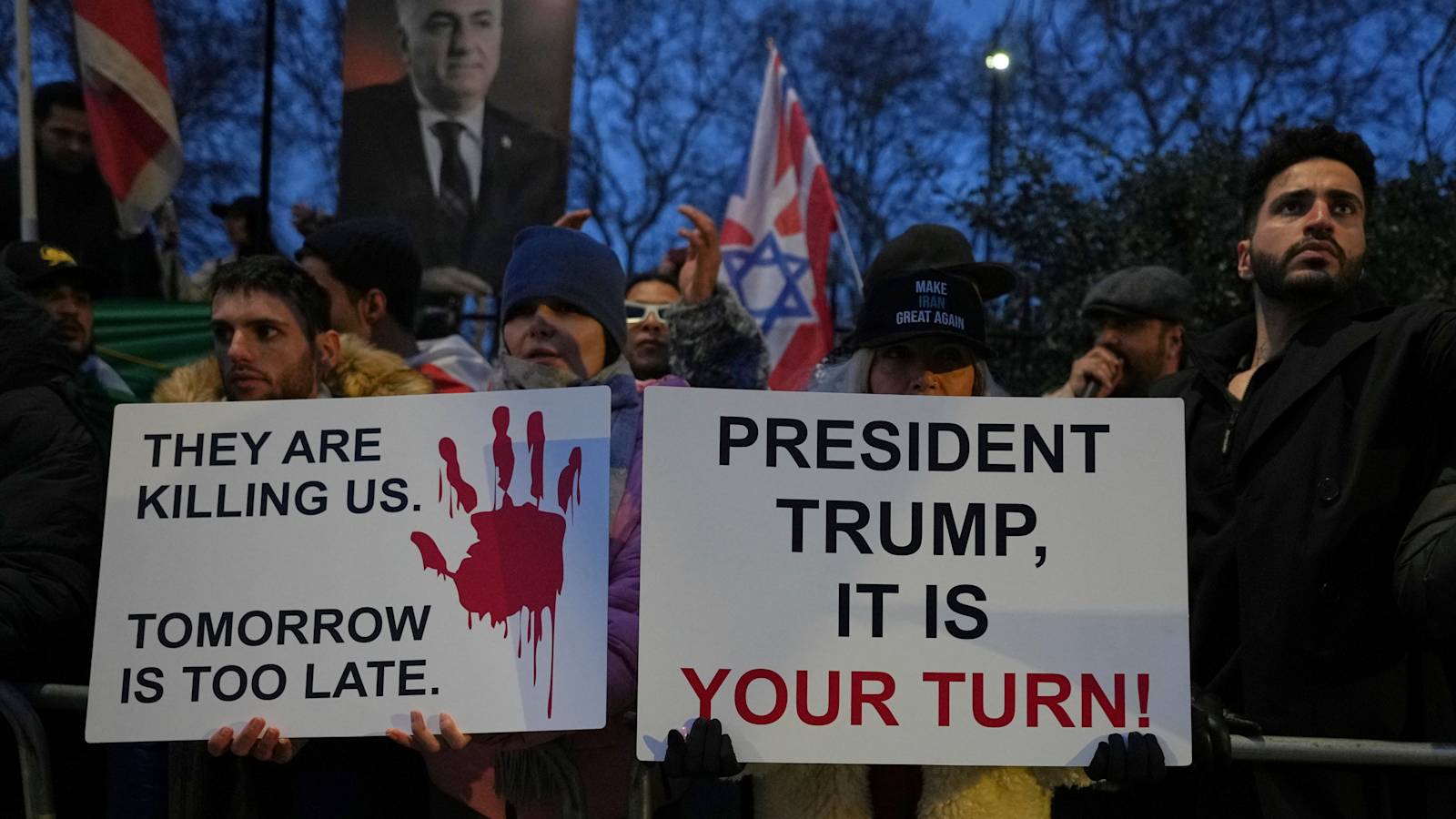
For days, he has vowed to protect protesters, openly discussed striking targets in Iran and offered bellicose warnings to rulers of the Islamic Republic.
At the same time, he says diplomacy comes first and he’s willing to engage with the Iranians.
His envoy Steve Witkoff and Iran’s foreign minister, Abbas Araghchi, have been in touch, but any talks take place with a deficit of trust on both sides.
Witkoff and Araghchi were in discussions in June, WhatsApp messages were pinging, and then Israel and America bombed.
Any chance of diplomacy then was off the table.
An Iranian government minister I spoke with after this happened, told me the Americans use diplomacy to exhaust diplomacy. That would be a view shared by others.
The issue for Trump is manifold. Taking on Iran is no small task.
They have had time to repair and restock since June’s war and are adamant that the next attack will be viewed as an existential threat and the response will be without restraint or proportionality.
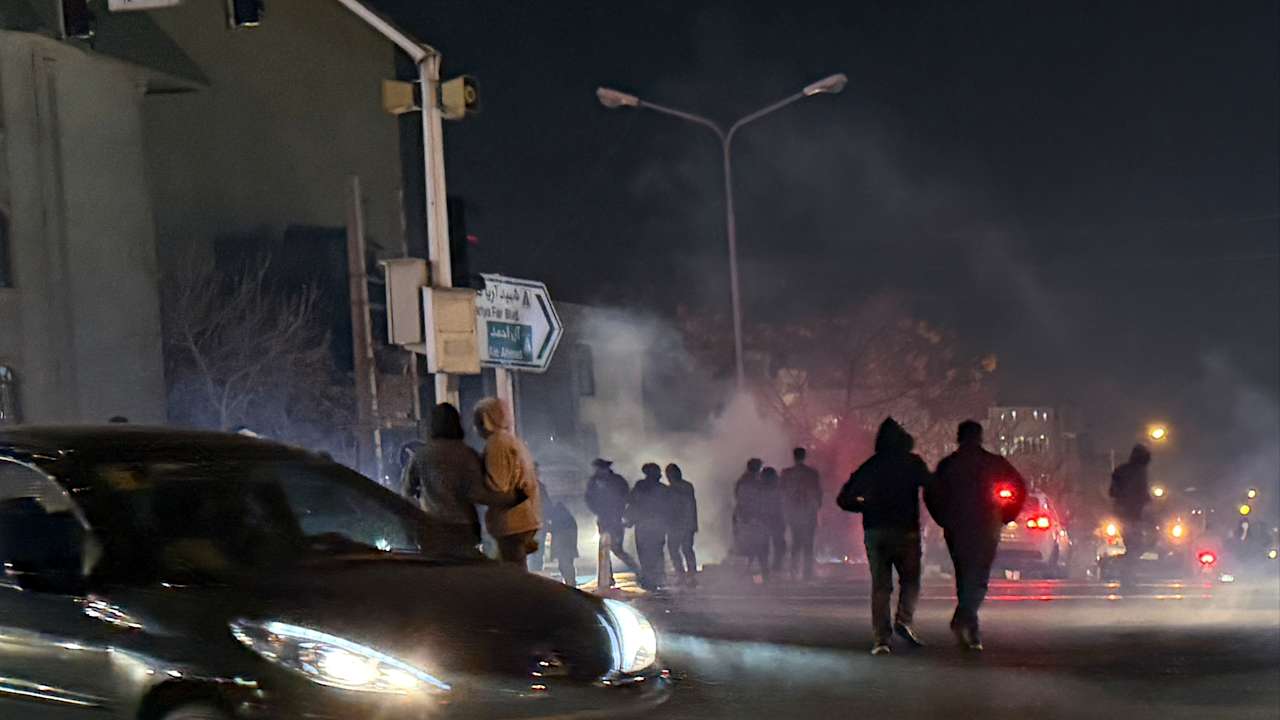
That may be, quite literally, fighting talk, but it cannot be ignored. Iran did damage to Israel last time, and it has vowed to do more next. America’s soldiers, bases, and allies in the region are all deemed to be valid targets.
The 12-day war was a laboratory test for both sides; they have learned, and that adds to the jeopardy.
What’s more, America is without the element of surprise this time. It is also without many of its lethal toys, much of its hardware is currently busy in the Caribbean after the Venezuela operation.
In terms of his options, the biggest without question is to seek the decapitation of the leadership. Taking out the Ayatollah and forcing regime change.
That is not deemed likely but with President Trump no one ever rules anything out.
Taking out the regime now, by force, would create a vacuum. There is no viable alternative and that alone could spark civil war in Iran and destabilise the region.
Another option would be a symbolic strike, designed to send a very clear message of reach and power without causing death or extensive damage. Think more on the level that Iran hit Qatar in June. A strike which drew a line, albeit temporary and allowed honour to feel served.
It is a gamble and risks spiral but then again, it may be that with the level of internal pressure it’s a hit the Iranians will accept potentially in the hope of distracting or rallying the Iranian people and relieving a little of the pressure ahead of talks.
For the Americans and the protesters it would deliver a warning about what else could lie ahead if the crackdown continues or no change were to come.
Then there are the non-kinetic options, warfare without the bombs, bullets and missiles.
Cyber, disinformation, economic pressure, communication support, information and psychological warfare could all be brought into action. In reality they already are, especially economically.
Western sanctions are part of the reason Iranians are on the streets about a failing currency. Last night’s 25% tariffs on those trading with Iran is another example of trying to squeeze the ruling elite in the pocket.
That sort of pressure is likely to be deemed more useful by those seeking change in Iran as it would allow for change from within not directly imposed by foreign powers with all the consequences of that.
As he weighs his options, President Trump needs to weigh his goals and the risks that go with them.
He has the military power to do pretty much as he wishes, but force may not be the solution here. Dialogue will take longer but it may actually deliver more.
Follow STV News on WhatsApp
Scan the QR code on your mobile device for all the latest news from around the country