By Good Morning Britain Correspondent, Ashna Hurynag
We’re outside Terminal 3, bound for Philadelphia and onwards to Wilmington, Delaware.
“I’ve never been to Delaware before” Ellen Roome tells me as we wheel our bags towards check-in.
It’s hard to think of a more memorable first visit then, as she prepares to lead the charge in a landmark court case brought by her and four other British families.
They are suing one of the biggest social media companies in the world TikTok, and its parent company ByteDance, for the alleged wrongful deaths of their children.
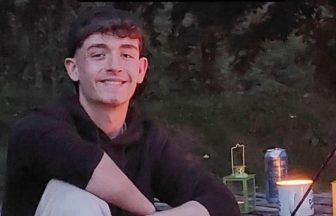
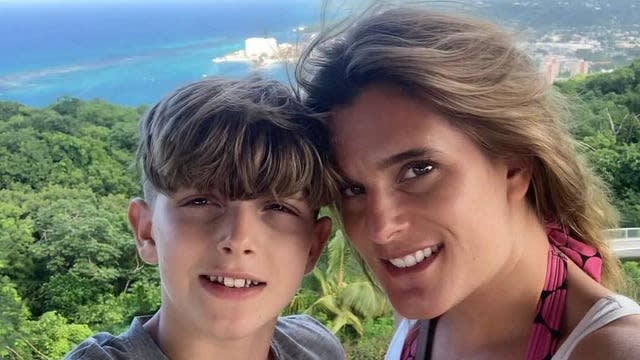
Ellen found her 14-year-old son, Jools, unconscious in his bedroom almost four years ago.
An inquest found he took his own life – Ellen has always believed it was a popular online challenge that went wrong, but she could not get social media giant TikTok to give her access to Jools’ accounts. After some back and forth, the company said it was a privacy issue.
Ellen has always believed Jools’ social media accounts could provide her with the answers. She is not alone in her quest – since Jools died in April 2022 she has been joined by parents in a similar situation.
Their joint lawsuit claims that Isaac Kenevan, 13, Archie Battersbee, 12, Julian “Jools” Sweeney, 14, Maia Walsh, 13, and Noah Gibson, 11, were harmed by algorithms which amplified harmful content to their pages. Isaac’s mum Lisa Kenevan, Maia’s dad Liam Walsh along with Ellen are now all heading for the States.
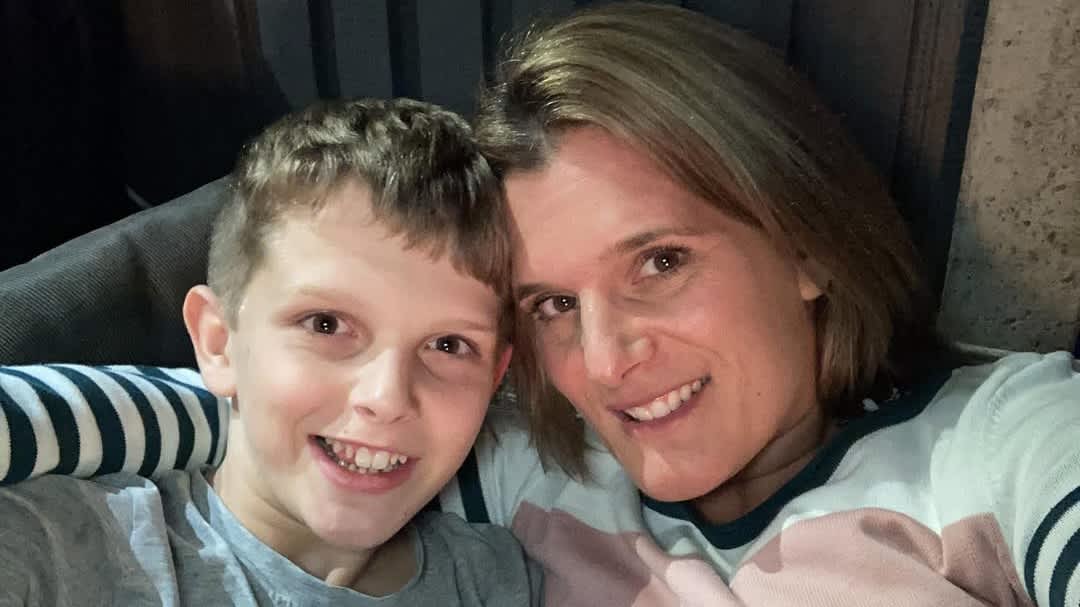
“It sort of feels like exam results day,” Ellen tells me.
“I’ve always said, if we can make a difference to one family, then it’s worth doing it. Ultimately, I have no children to save, I don’t have any other children, this is about holding social media companies accountable and making a difference so children are safe.
“The children in the UK, in the US and globally, we have a global problem, and we need to come together and fix this.”
On Friday, that lawsuit will be heard in a US Court, in the Superior Court of the State of Delaware. The hearing could see the case thrown out, or else given the go-ahead to move to the discovery stage. The latter would essentially move the case into an evidence-gathering stage, which could see the platform required to divulge key data and analytics. That could take up to two years.
A key element of the lawsuit is the apparently addictive nature of the platform.
“The problem with all social media apps is that they’re addictive by design. They’re designed to be addictive. They’re designed to keep people on their platform, and in particular, children,” Ellen says.
“So they’ve got companies profiting out of children being addicted to their platforms. And fundamentally, it’s a design flaw. These platforms are designed to be addictive to children and it’s sending them harmful content.”
But this case could take years.
TikTok have always said they prohibit dangerous content and challenges. A spokesperson for TikTok told us: “Our deepest sympathies remain with these families. We strictly prohibit content that promotes or encourages dangerous behaviour.
“Using robust detection systems and dedicated enforcement teams to proactively identify and remove this content, we remove 99% that’s found to break these rules before it is reported to us.”
Ellen was rewarded in the year’s New Years Honours list, receiving an MBE in recognition of her campaigning in children’s online safety. Now that fight continues in the US justice system.
These parents say they are seeking justice for all parents worldwide, not just in the UK. They want answers yes, but more so, accountability.
Follow STV News on WhatsApp
Scan the QR code on your mobile device for all the latest news from around the country