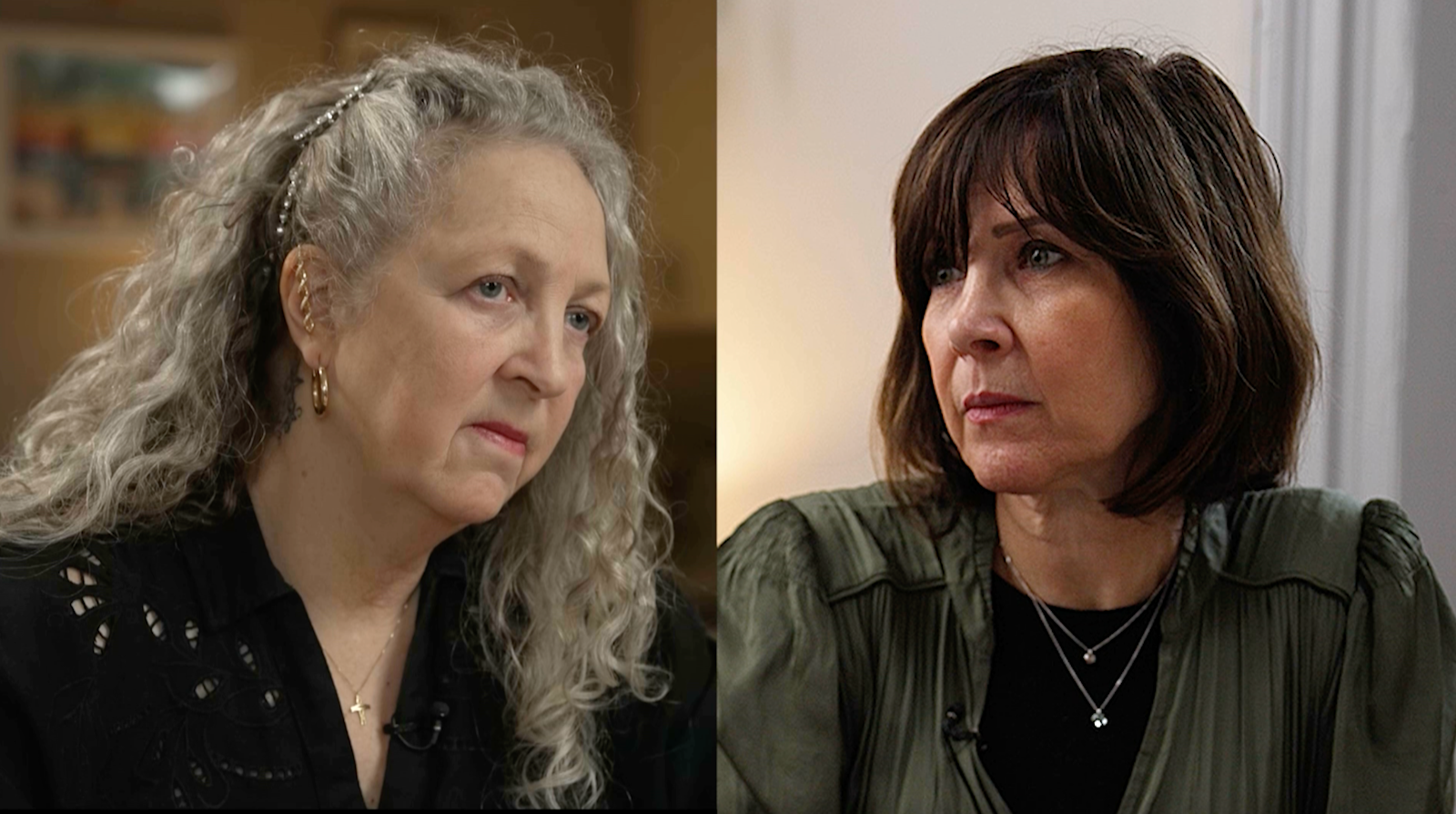
Adult adoptees have spoken about their ‘traumatising’ experiences trying to find out basic information, ITV News Social Affairs Correspondent Sarah Corker & Senior Producer Lottie Kilraine report
- This report contains some distressing details
The UK’s Information regulator (ICO) has warned councils could face legal action over long delays, errors and missing documents for those trying to access their adoption files and care records, in an exclusive interview with ITV News.
The Information Commissioner John Edwards has written to all UK local authority leaders warning them of their legal duties and said these records can help to “unlock a person’s identity” and “uncomfortable truths” that matter to society.
As part of an ongoing investigation by ITV News into forced adoptions in the 1950s, 60s and 70s, we have spoken to adult adoptees across Britain about their “traumatising” experiences trying to find out basic information about the circumstances around their birth and adoption.
Zara Phillips told ITV News she feels ‘frustrated’ after she was told her adoption file is still incomplete and some records are missing with little explanation as to why, after years of fighting to get access
Zara Phillips, 61, from North London waited for 18 months for an appointment with a social worker after requesting access to her adoption and care records from the council.
When she did eventually receive her documents earlier this month, she was also told her file was still incomplete and some records were missing with little explanation why.
“Living with the unknown is like torture,” Ms Phillips told ITV News.
“I should have been given this years ago, this is rightfully mine. Everything written on these pieces of paper is about me. I am frustrated and disappointed. What are they trying to hide?”
In 1964, Ms Phillips said she was “taken” from her mother as a baby, simply because she was unmarried. After two months in foster care, she was later adopted.
Between 1949 and 1976, an estimated 250,000 pregnant, unmarried women and girls were sent away to “prison-like” homes run by the church and state and had their babies put up for adoption. Other infants died due to mistreatment or poor care.
The legacy of that time, continues to cast a long shadow.
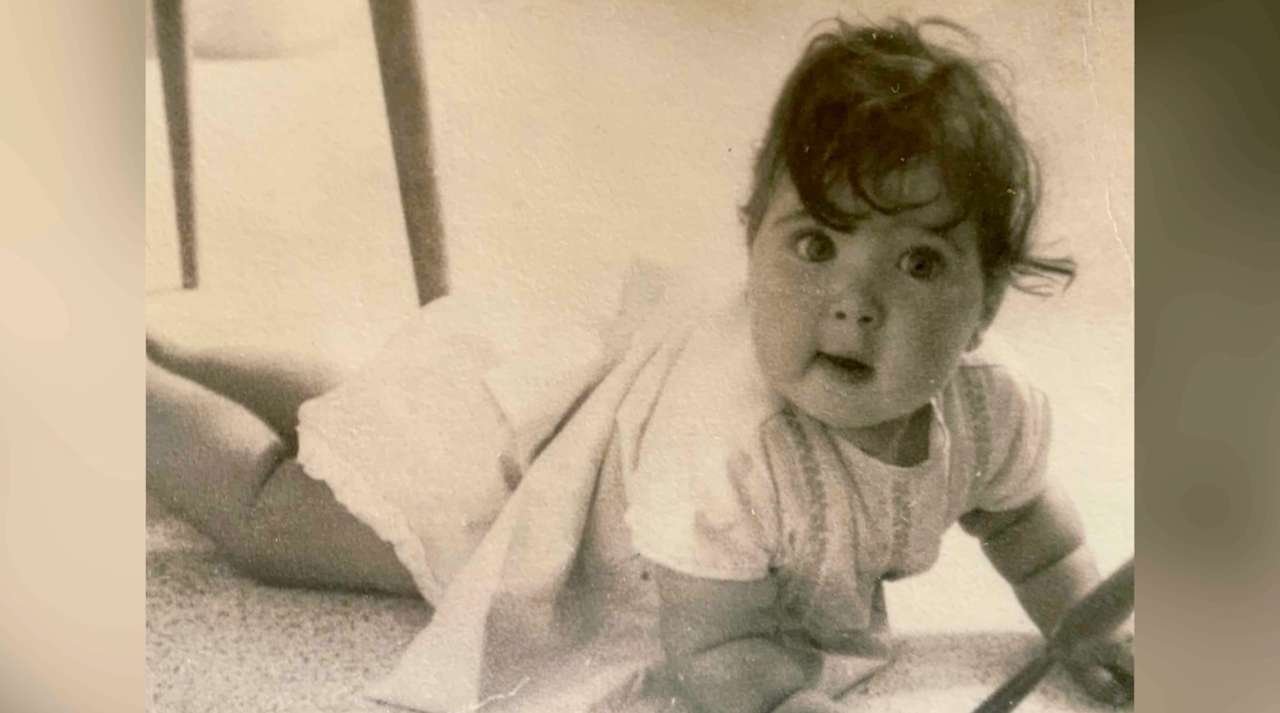
“I was told nothing, just ‘you are adopted, be grateful, your mother was young’ and that was it,” she said.
“That was my story for some many years. The impact is huge, I felt like a mistake, maybe I wasn’t pretty enough? I felt like there was this huge void in me all the time.”
Over the decades, Ms Phillips, who is a singer and musician, has searched through hundreds of pages of files, pouring over every last detail.
In the 1980s she traced and reunited with her birth mother, and later found her father, but gaps about her childhood remained.
Ms Phillips learned through her files that her “mother never even got a chance to say goodbye to me”. At just a few days old, she was taken from her mother when she was receiving life-saving treatment after labour in hospital.
Zara Phillips, who is a singer and musician, has written a song about the suffering faced by victims and survivors of the forced adoption scandal and the continued fight for justice for all those affected
She is far from alone. For many survivors of the forced adoption era access to records remains a major issue with lengthy delays, unexplained redactions and missing files all too common.
Adopted people have had a right to access their adoption records since 1976, but there are huge disparities across England.
Councils have a legal duty to respond to requests for personal information, but a backlog of cases, short staffing, fragmented paper records across councils, courts, and other agencies can result in delays and errors, with no national protocol despite repeated calls for reform.
The Information Commissioner John Edwards has warned local authorities that there needs to be a step change in how councils respond to requests for care records and adoption files.
“I have some sympathy with local authorities,” Mr Edwards told ITV News.
“They have a lot of duties, a lot of responsibilities. But this is not optional. This is not voluntary. This is a statutory obligation.
“And if they don’t resource it in a way that means they can meet people’s statutory rights, then we can come after them. It is completely unacceptable to wait two years,” he added.
John Edwards, the UK’s Information Commissioner, told ITV News it is a ‘statutory obligation’ that authorities help people access their personal information
Following 63 complaints, the ICO recently served Bristol City Council with an enforcement notice for delays and a consistent backlog since 2020 in responding to child social care data requests.
It also fined the Scottish charity Birthlink £18,000 after it destroyed 4,800 personal records, including handwritten letters and photographs.
However this type of enforcement action is rare.
Mr Edwards explained that the ICO’s goal is to work with councils to ensure there is a degree of compassion when responding to these requests, and ultimately fines come out of public coffers and already stretched budgets.
For some the search information has lasted a lifetime and has been a “complete nightmare”.
Verity Spencer-Natalello, who is 67, was born in the 1950s to an unmarried mother in the Midlands, and adopted at seven weeks old. Her childhood was a happy one but questions over identity were never far away.
After a series of errors, she finally found out for certain who her father was in November – by which time he had already died.
Verity Spencer-Natalello only realised information that she was entitled to had been held back after watching an ITV News report in July, describing it as a ‘lightbulb’ moment
She had only realised information that she was entitled to had been held back after watching an ITV News report in July, describing it as a “lightbulb” moment.
The toll on her mental health has been considerable as she described a shattered sense of identity.
“I still don’t know who I am. I don’t feel like I belong in any family,” she told ITV News.
“I am an upbeat personality, but it has brought me to the brink. I’ve been on the verge of suicide on two occasions that I can think of, seriously.”
At times her search for answers has been met with long stretches of silence and errors by the public bodies, including three different councils, whose job it is to provide vital information.
“I’ve said to them ‘are you waiting for me to drop down dead?’ I’ve been very blunt,” Ms Spencer-Natalello said.
“I was a nobody right from the word go, but I’m not a nobody, so treat me with a bit of respect.
“You are infantilised forever. If they would just give you the information that you should have right at the beginning, right when you should have it, and stop all this messing about and all the lies.”
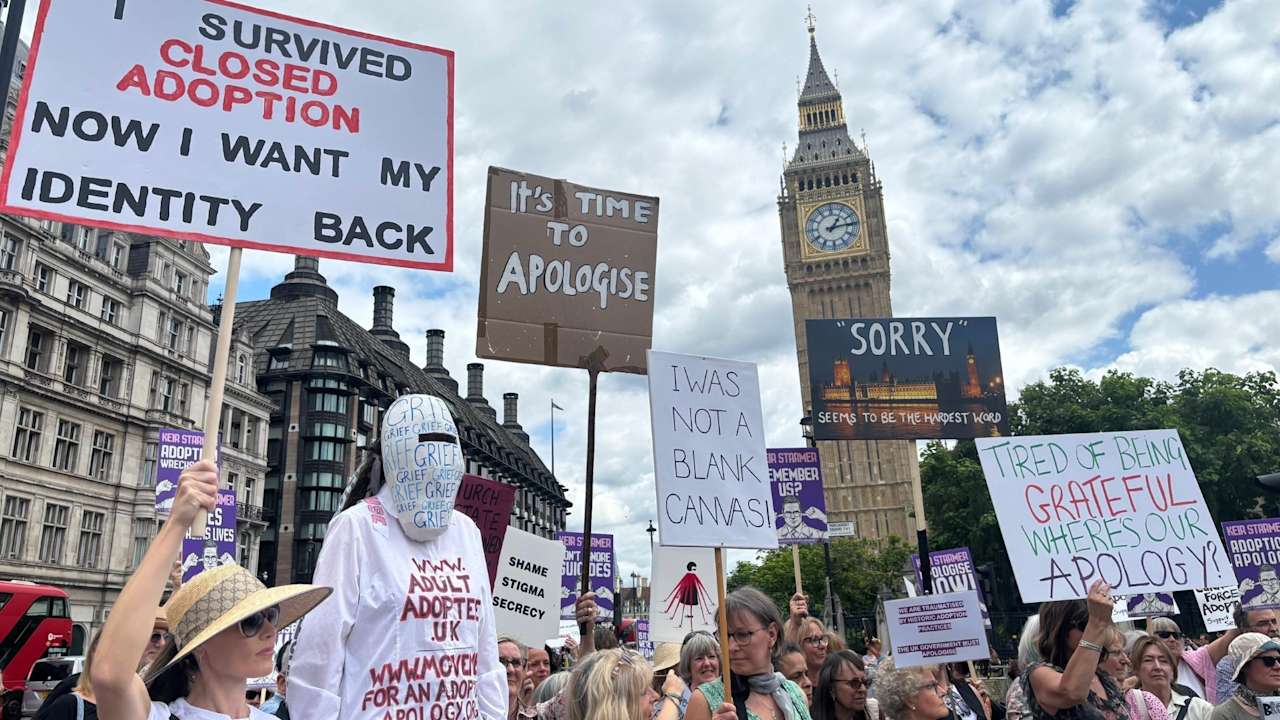
Before 1976, there were no laws setting out how long records should be kept, and some have been destroyed over time.
When asked whether he was concerned that organisations involved in historic forced adoptions – including charities and religious groups, seem to have a high incidence of missing files and natural disasters like fires and floods – Mr Edwards said simply: “There is no evidence this is being done wilfully.”
Religious organisations involved in these adoptions and running mother and baby institutions such as the Catholic Church, Church of England and Salvation Army have to comply with data laws on how they handle and store files, but unlike councils they are under no legal obligation to share them.
Adult adoptees and birth mothers have voiced their frustrations about the lack of transparency.
A spokesperson for the campaign group the Adult Adoptee Movement said: “When you are adopted, every scrap of information about your early life matters.
“Adoption records shed light on our first families and the circumstances surrounding our removal. They may contain information on our medical history, wider family, culture and heritage.
“Adoptees face confusion about where documents are held and how to access them. Long delays and inappropriate redactions are common.
“We join the Archives and Records Association in their call for a review of current preservation arrangements and a centralised database of holdings.”
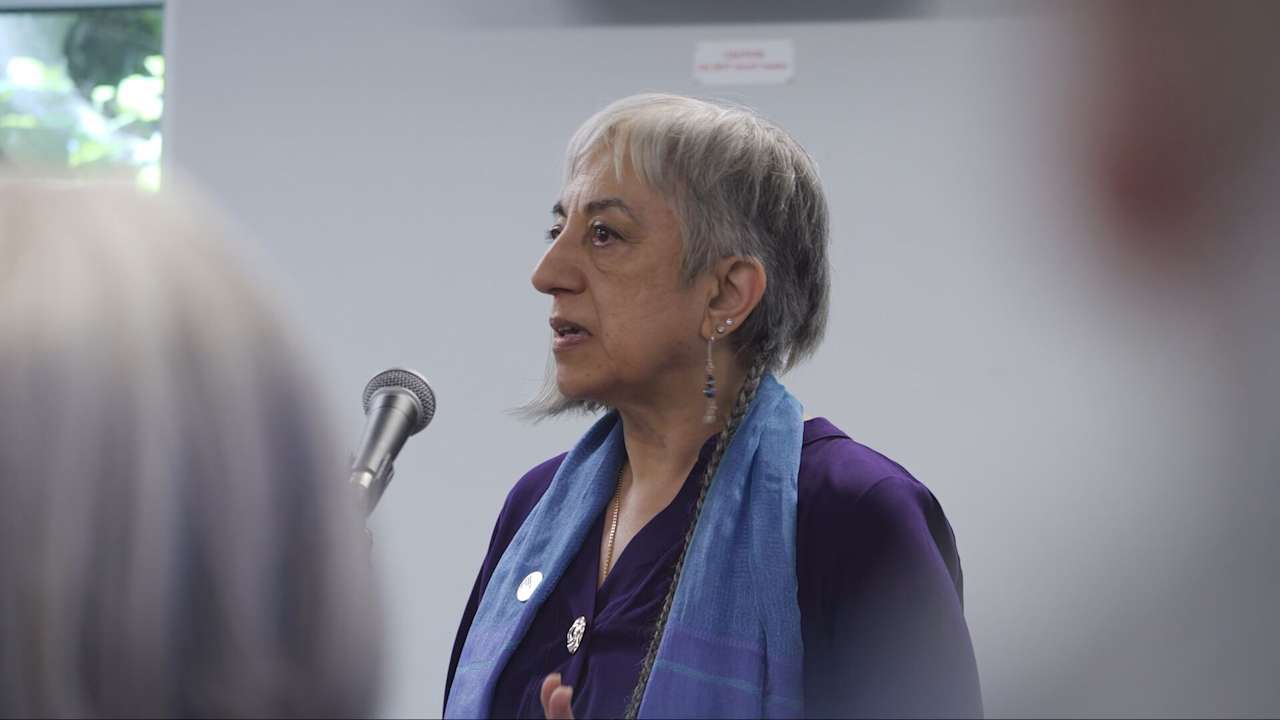
Diana Defries, who was forced to give up her baby aged 16 and campaigns for the Movement for an Adoption Apology (MAA), said: “Records are too often lost or damaged, misplaced, misfiled or excessively redacted.
“All files relating to historic forced adoption practices must be protected from harm and made available so that the truth about what was done to us and to our children can be revealed.”
In response to the points raised in this report, the Local Government Association (LGA) said councils “will act with compassion and do all they can to ensure adult adoptees have access to their complete adoption records without delay”.
The LGA put ongoing delays down to “older records being generally paper-based which can take longer to locate”.
A spokesperson for the government said: “People who have been adopted deserve timely and compassionate support, and it is extremely concerning that some still face uncertainty.
“We have written to all Regional Adoption Agencies, Voluntary Adoption Agencies and local authorities to remind them of the need to respond fully and promptly to requests.
“Adoption England’s guidance on this is clear, and through Family Connect we are funding a national service that helps adopted adults locate and access their records.”
If you have been affected by the issues in this report, please visit these links for help and support:
- Adult Adoptee Movement – Provides information and support for adult adoptees around the UK
- Movement for Adoption Apology – Provides information on forced and coerced adoption in the UK and around the globe
- PAC UK – Specialist therapy, advice, support, counselling and training for all affected by adoption and permanency
- Safe Spaces – An independent service offering confidential support to survivors of Church-related abuse on 0300 303 1056 or on their website
- Samaritans – Offers confidential support for people experiencing feelings of distress or despair. Phone 116 123 (a free 24-hour helpline)
Follow STV News on WhatsApp
Scan the QR code on your mobile device for all the latest news from around the country