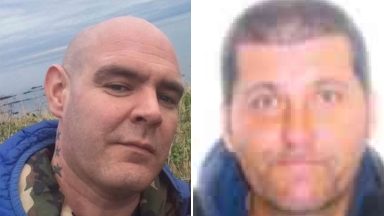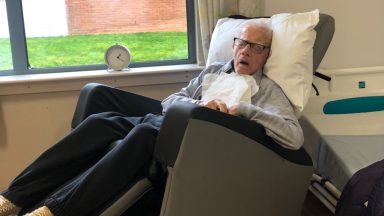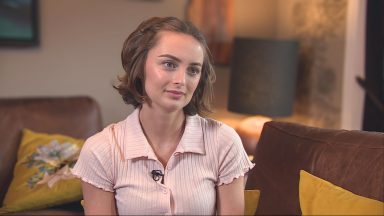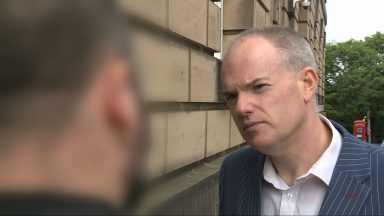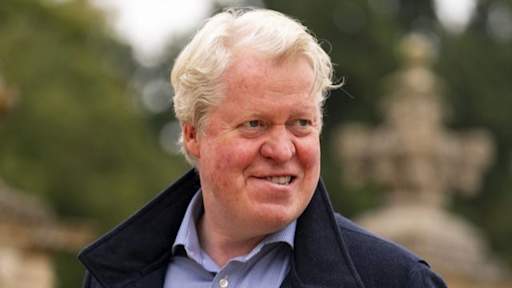
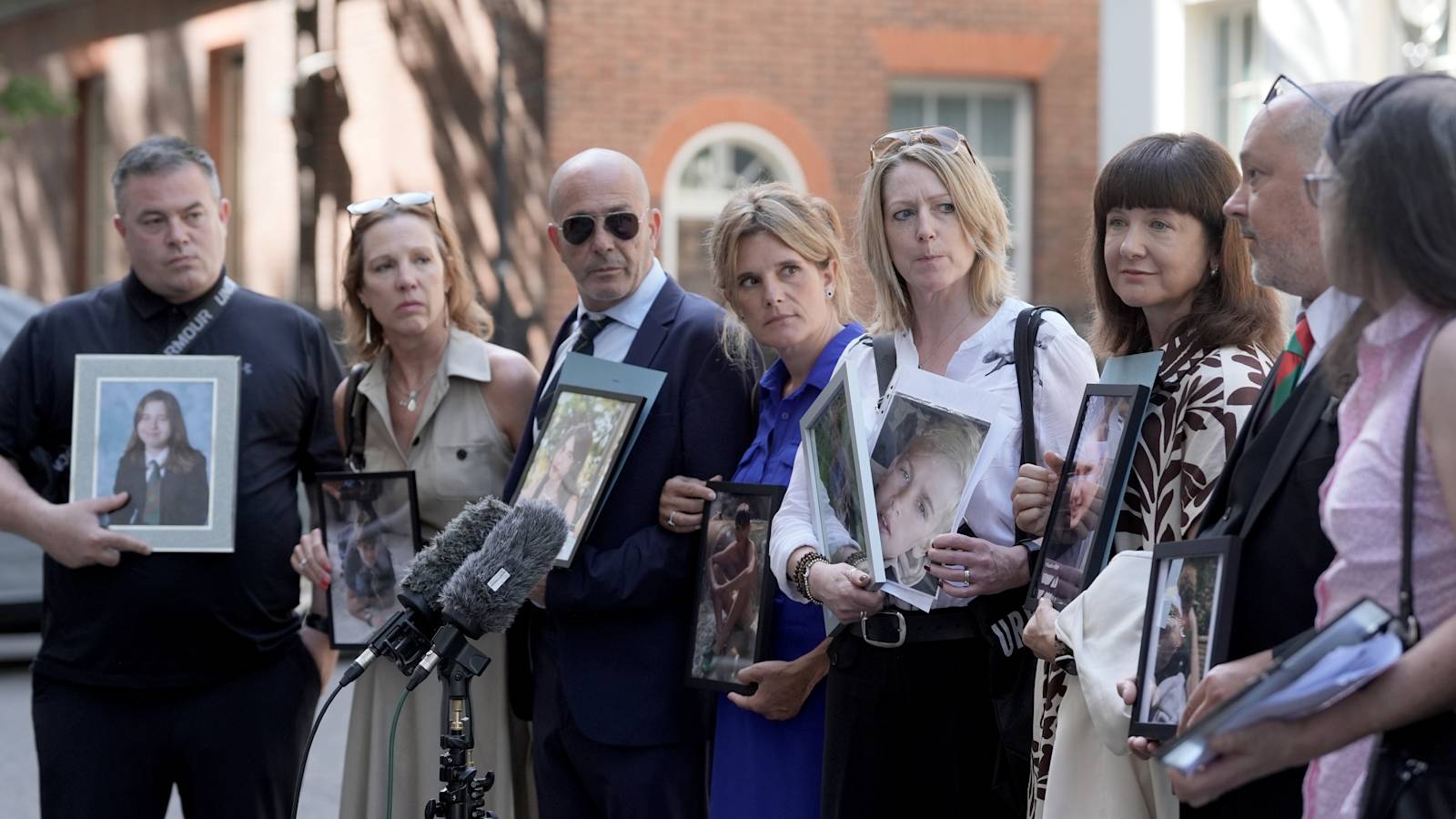
The bereaved families spoke to journalists in Downing Street after their meeting with the prime minister
Sir Keir Starmer has vowed to take action to protect children from the harms of social media in “weeks, not months”, as the government’s consultation is set to close.
The prime minister told bereaved families that “it is important we act, and we will act” during a meeting in Downing Street on Tuesday afternoon.
Speaking to broadcasters after the meeting, Lisa Kenevan, who believes her son Isaac died after taking part in an online stunt known as the blackout challenge, said: “We do not want this group to grow any further.”
“He also said to us it would be a case of weeks that we hear something rather than months,” said Ellen Roome, whose 14-year-old son Jools Sweeney died in 2022.
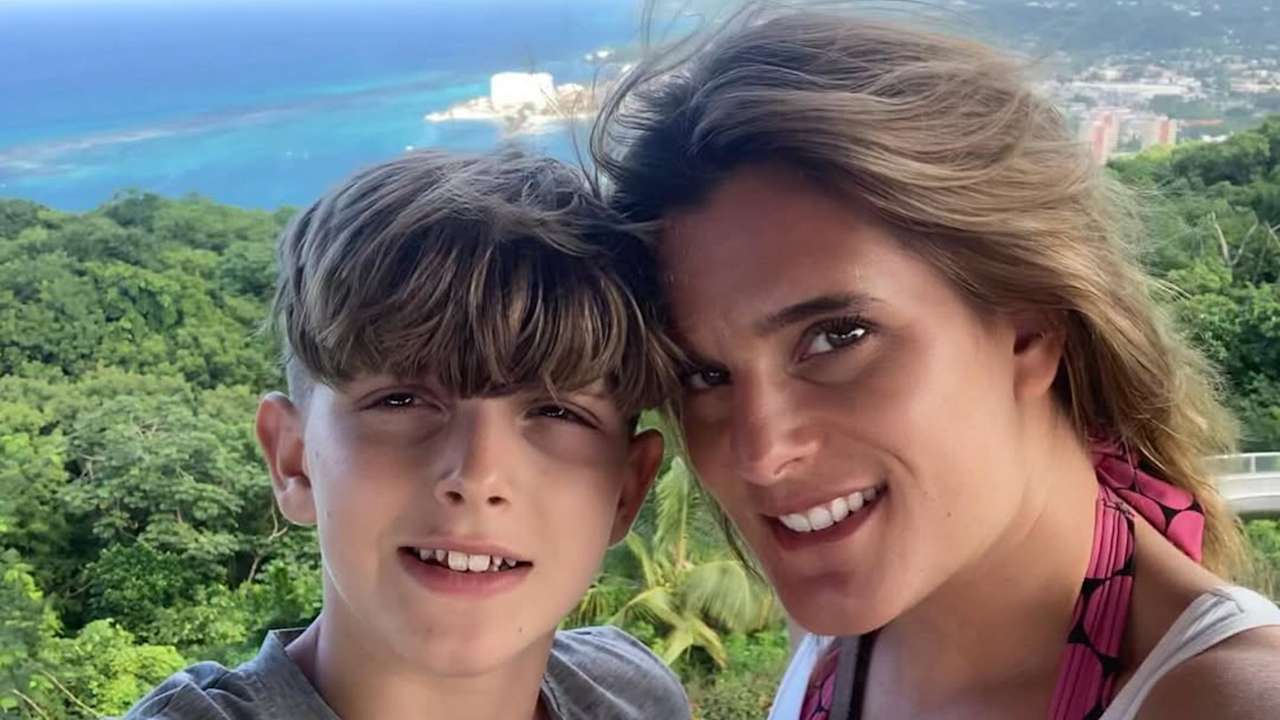
Speaking before the meeting Roome said “I, and other families who have lost children to social media, will tell the prime minister directly: Social media is a product, and like any other faulty product causing the deaths of children, it should be restricted until the companies responsible have fixed it and proven it is safe.”
Her message after this discussion was: “Fingers crossed we’re not waiting. We said how many more children have to die and suffer before something else happens.”
The meeting comes as the government’s Growing Up In The Online World consultation, which floated measures such as an Australia-style social media ban for under-16s, app curfews and limits on addictive features, is set to close at the end of Tuesday.
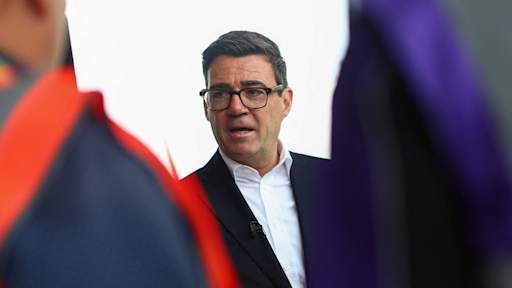
On Tuesday morning, the prime minister said whatever policy the government introduces would need to be “a game changer”.
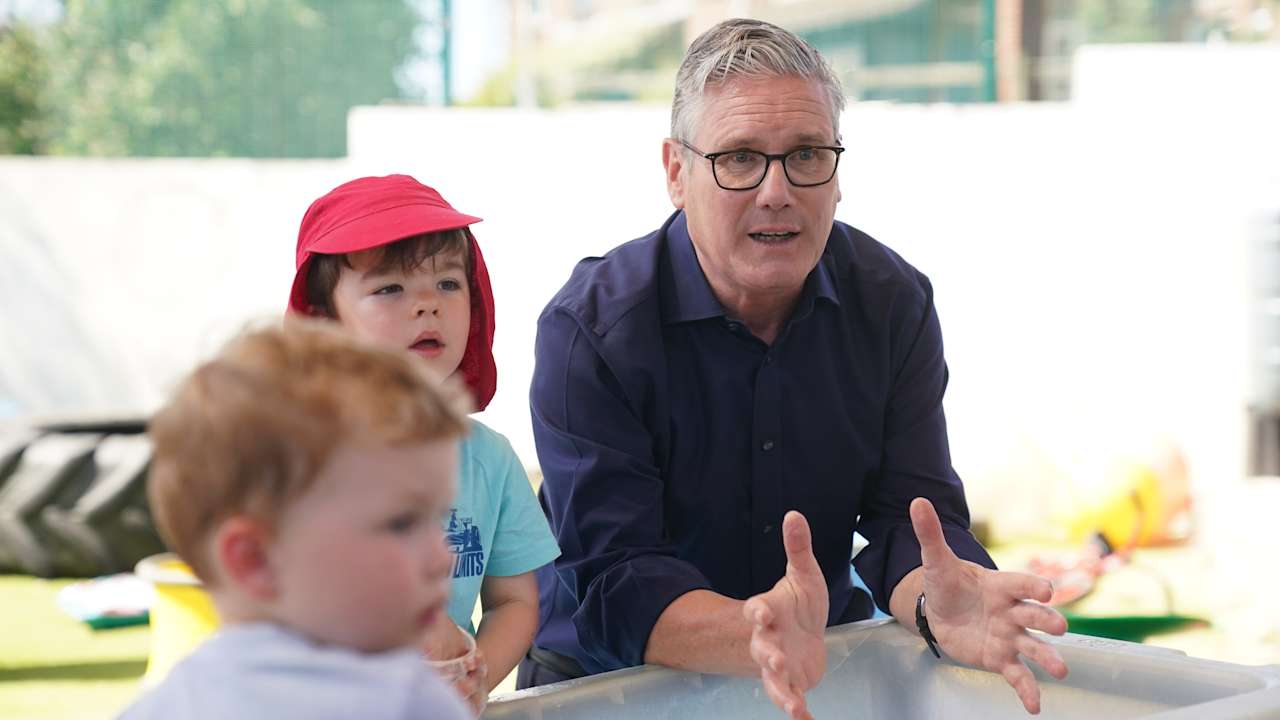
Referring to the consultation process, Starmer said: “We’ve had very, very many people being part of the process, either responding or in discussions with me and with others.”
His comments come after top doctors warned that social media is the new smoking.
A report by the Academy of Medical Royal Colleges, submitted to the public consultation, said social media and smartphone use “ranks alongside smoking and wearing seatbelts in cars as a unifying force for the medical profession”.
Doctors are seeing a “wave of radicalised children” from exposure to “hateful, addictive and grossly distressing content”, the report said.
Of the 454 doctors surveyed, half said they treated at least one child a week whose mental distress or physical injury was linked to online content.
Leader of the Conservative Party, Kemi Badenoch, responded on X today suggesting “Labour are dithering” and calling for an full social media ban for under-16s.
The report included harrowing stories of deaths and injuries from “replicating acts of extreme pornography” and interests in violence or radicalisation.
There have been widespread calls for the UK government to follow Australia’s lead on a full social media ban for under-16s, though questions have been raised about its effectiveness.
Former health secretary Wes Streeting, who quit government earlier this month and is seen as one of those to replace Sir Keir Starmer, should there be a Labour leadership challenge, has called for a partial social media ban, likening tech companies to the tobacco industry.
Speaking to ITV News’ Political Correspondent, Harry Horton, Streeting said: “I had serious concerns as the country’s Health Secretary about the particular impact of social media on children’s health and wellbeing.”
He accused the government of being “slow to act” and said that one of their weaknesses “has been an unwillingness to confront powerful vested interests in big tech”.
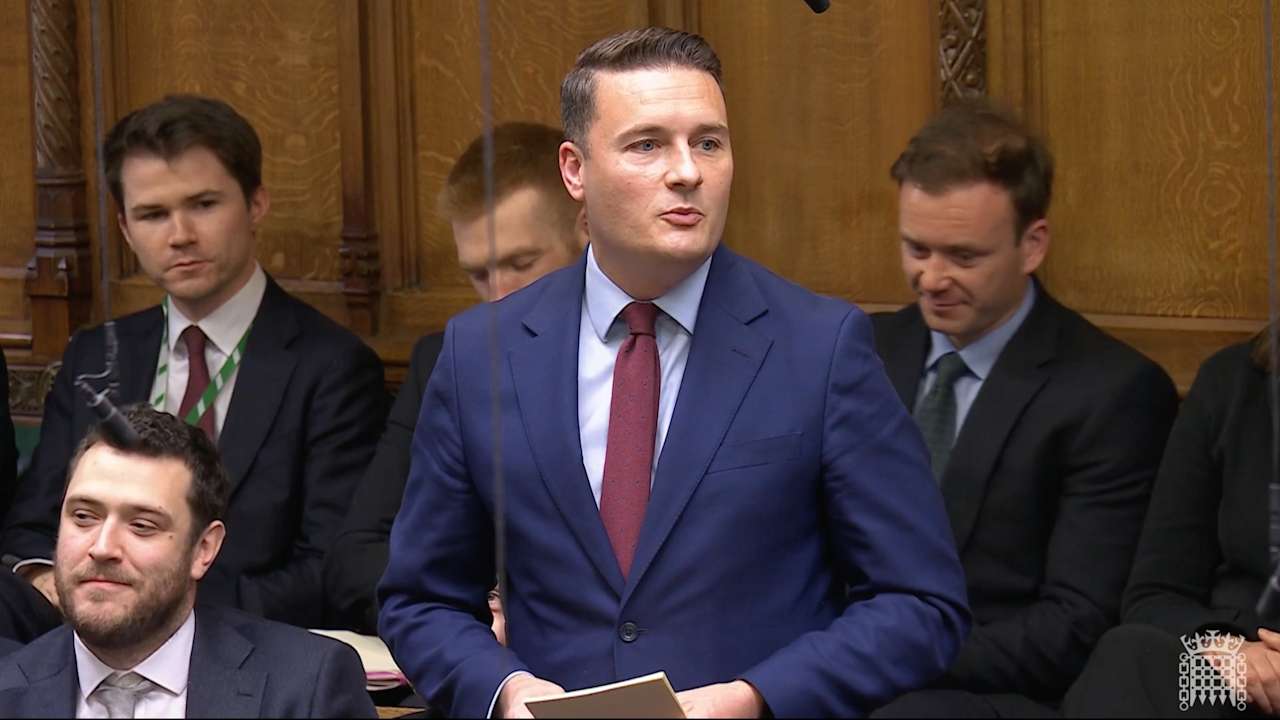
Streeting slated the companies, saying they need “reigning in” as they design sites that are “addictive” and are made to “seize and hold concentration”,
He also said: “There’s plenty of evidence of other risks and harms besides sleep, concentration, education, learning, as well as some of the more severe impacts.”
He went on to criticise Starmer, adding: “It’s fair to say the prime minister has needed persuading on this issue.”
Technology Secretary Liz Kendall said last month that proposals to restrict social media for under-16s would be put forward by the summer, with plans to legislate by the end of the year.
Ministers announced in April that they would introduce “age or functionality restrictions” on social media for under-16s regardless of the consultation outcome.
Peers have voted multiple times to press the Commons into accepting a social media ban, ending their stand-off with MPs only after ministers agreed to restrictions.
Tory former education minister and academy chain founder, Lord Nash, urged the government to “get on with it”.
“The Government gave a commitment to Parliament that they would introduce some form of age or functionality restriction on social media for children under 16,” he said.
“We now expect them to deliver on that commitment fully and in the shortest possible timeframe.”
But another coalition of children’s organisations warned that focusing solely on age limits risked failing to address the structural drivers of online harms.
The Children’s Coalition for Online Safety, led by 5Rights Foundation and including groups such as the NSPCC and Girlguiding, demanded a broader overhaul of technology companies’ business models and product design choices that keep young users hooked.
In a joint statement, 25 organisations called for a ban on targeted advertising and manipulative design features; a ban on personalised services for under-13s and default safety protections for under-16s with penalties for firms that fall short; stronger regulation of AI systems, including child-focused risk assessments; and the creation of an independent online safety commissioner.
Leanda Barrington-Leach, executive director at 5Rights Foundation, said: “We will not fix this by tinkering around the edges – by tweaking features or relying on age limits alone.
“The issue is not a single product or setting; it is built into the system itself, into business models and design choices that prioritise engagement, data extraction and profit over children’s wellbeing.
“If a product were unsafe for children offline, it would not be allowed onto the market. We must insist on this same logic online.
“The onus must be on these businesses to demonstrate that their services are safe for children and not on parents or children to navigate or manage that risk themselves.”
The NSPCC charity said tech companies prioritising profit over keeping children safe “cannot be allowed to continue”.
A government spokesperson said: “Everyone – especially children and young people – should be able to have a positive, safe experience online.
“That’s why we are consulting on a wide range of measures, from restricting social media access to potential app curfews, to ensure we get the balance right and protect young people from harm.
“We are still seeking views from parents, young people and experts before taking our next steps. More than 70,000 people have already engaged, and there is still time for others to share their views before the consultation closes at midnight.
“We are also taking wider action to tackle online harm. Through the Online Safety Act, platforms have to give users more control over the content they see and stronger protections from harmful material.”
Follow STV News on WhatsApp
Scan the QR code on your mobile device for all the latest news from around the country