 PA Media
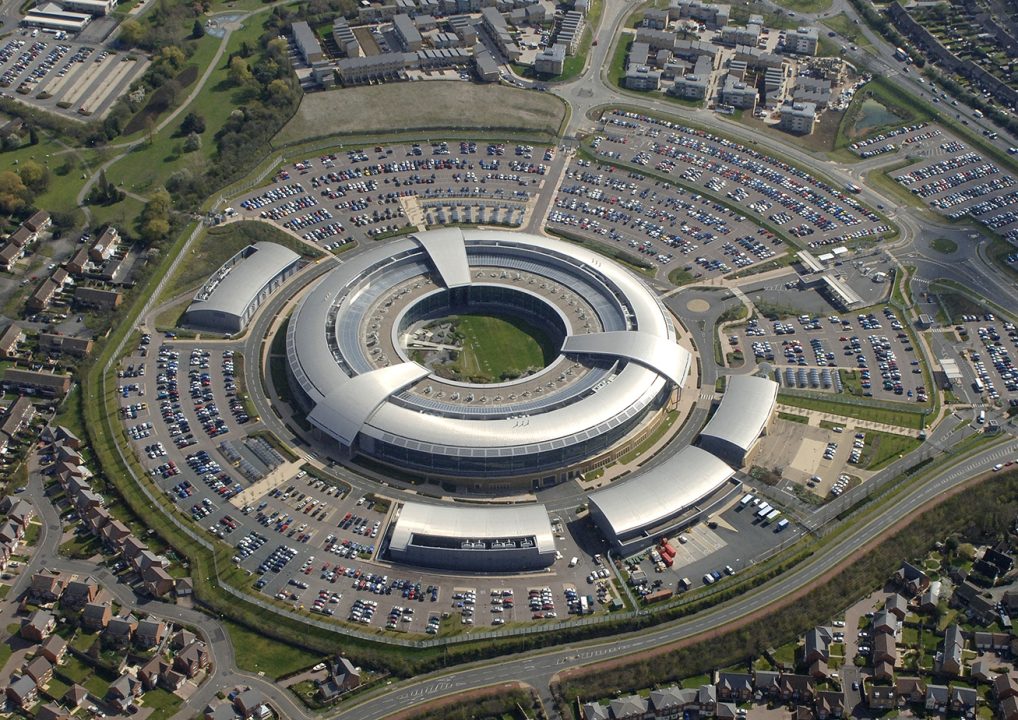
Russia is “relentlessly” targeting critical infrastructure, democratic processes, supply chains and public trust in the UK and Europe, the head of GCHQ will warn.
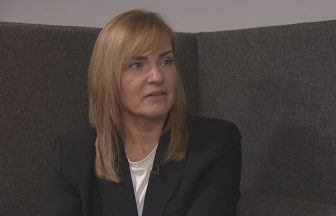
Anne Keast-Butler is set to give the inaugural GCHQ annual lecture on Wednesday, setting out how Russia is increasing its daily hybrid activity against countries including Britain, and to urge the public and businesses to make cyber security “10 times more urgent”.
She is expected to highlight the organisation’s efforts in “disrupting Russia’s efforts to smuggle western tech, fending off cyber attacks, and countering reckless sabotage and assassination attempts”, adding, “as we remain steadfast in our support for Ukraine, Putin is going backwards on the battlefield”.
Russia is “relentlessly targeting critical infrastructure, democratic processes, supply chains and public trust”, she is expected to tell the audience, and the speed of advancements in technology mean there is a “narrowing window for the UK and allies to stay ahead”, she will say.
“China is now a science and tech superpower, with sophisticated capabilities across their intelligence, cyber and military agencies”, and rapid progression in AI means “the ground beneath our feet is shifting”, the audience will hear.
She will urge the technology industry and those working in national security to “anticipate and drive advancements, together, at the speed of the frontier”, as well as calling on the public to take action “from boardrooms to living rooms” to increase cyber security.
“At home, that means taking important action now to switch passwords for passkeys, and for wider society, it means hardwiring security into new technologies, protecting supply chains and making cyber security 10 times more urgent,” she will say.
Earlier this year, Dr Richard Horne, head of the National Cyber Security Centre which is part of GCHQ, warned that most nationally significant cyber attacks on Britain were carried out by hostile states including China, Iran and Russia.
He said the body dealt with around four of these attacks each week, and warned businesses to be prepared to protect themselves against cyber attacks without needing the option of paying ransoms, because the UK could be targeted “at scale” if it were to become involved in an international conflict.
Follow STV News on WhatsApp
Scan the QR code on your mobile device for all the latest news from around the country