 PA Media
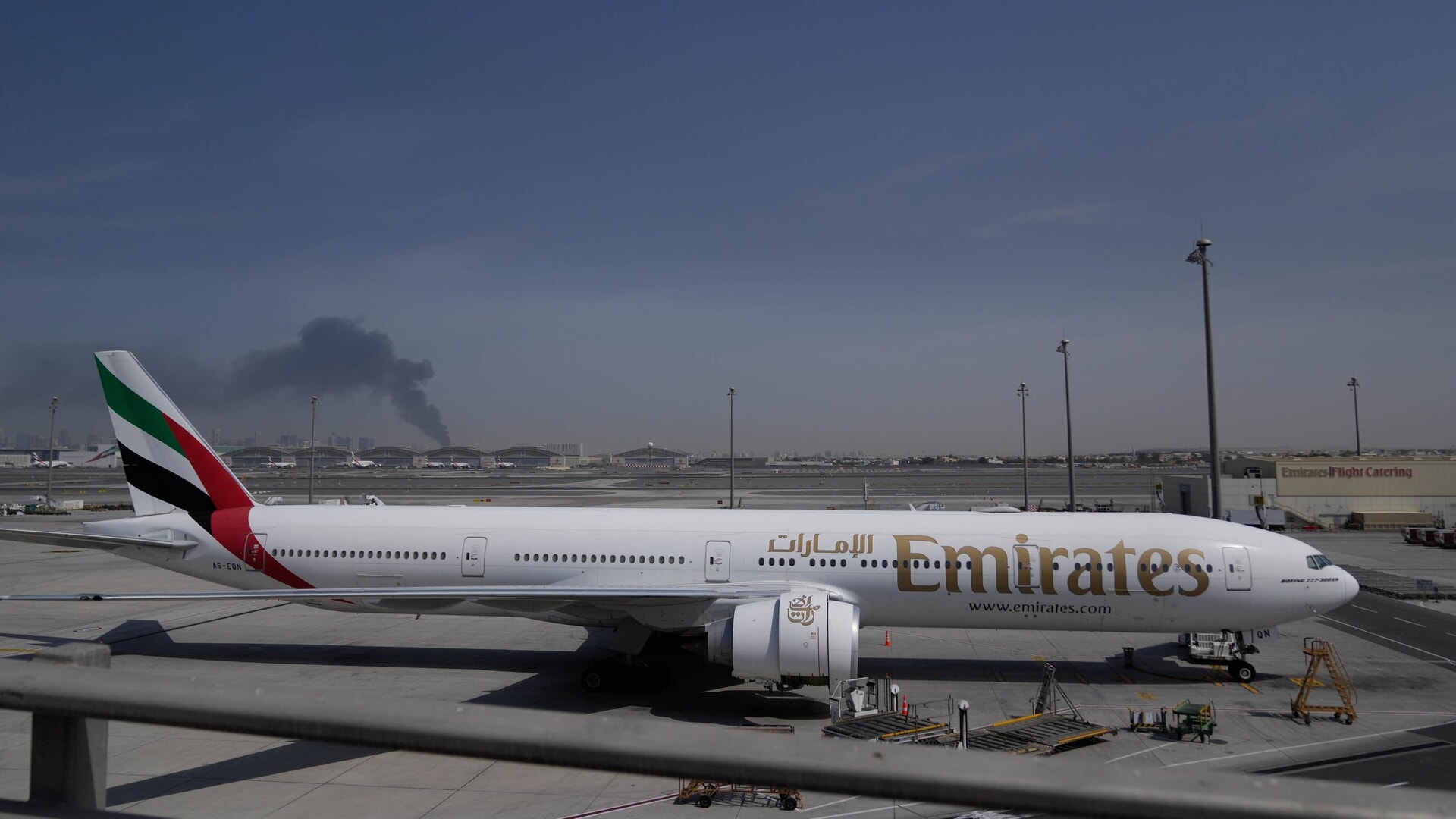
Tens of thousands of airline passengers are stranded by the Iran war that has spread across the Gulf region, but some wealthy travellers are getting out – by paying large sums for luxury flights to Europe via airports that are safe from Iranian drone and missile attacks.
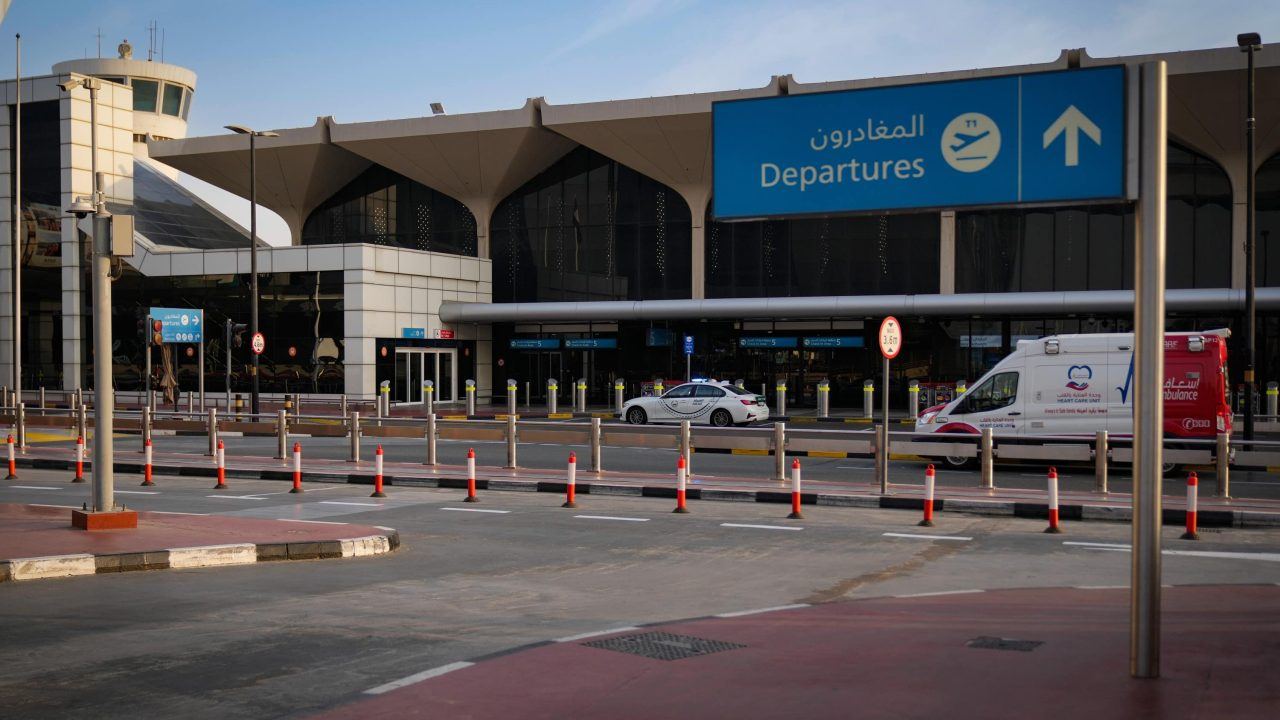
Demand for charter flights has skyrocketed, with some people paying up to 200,000 euros (£175,000) after major airports in Dubai, Abu Dhabi and Doha, Qatar, were closed after the start of the conflict last weekend.
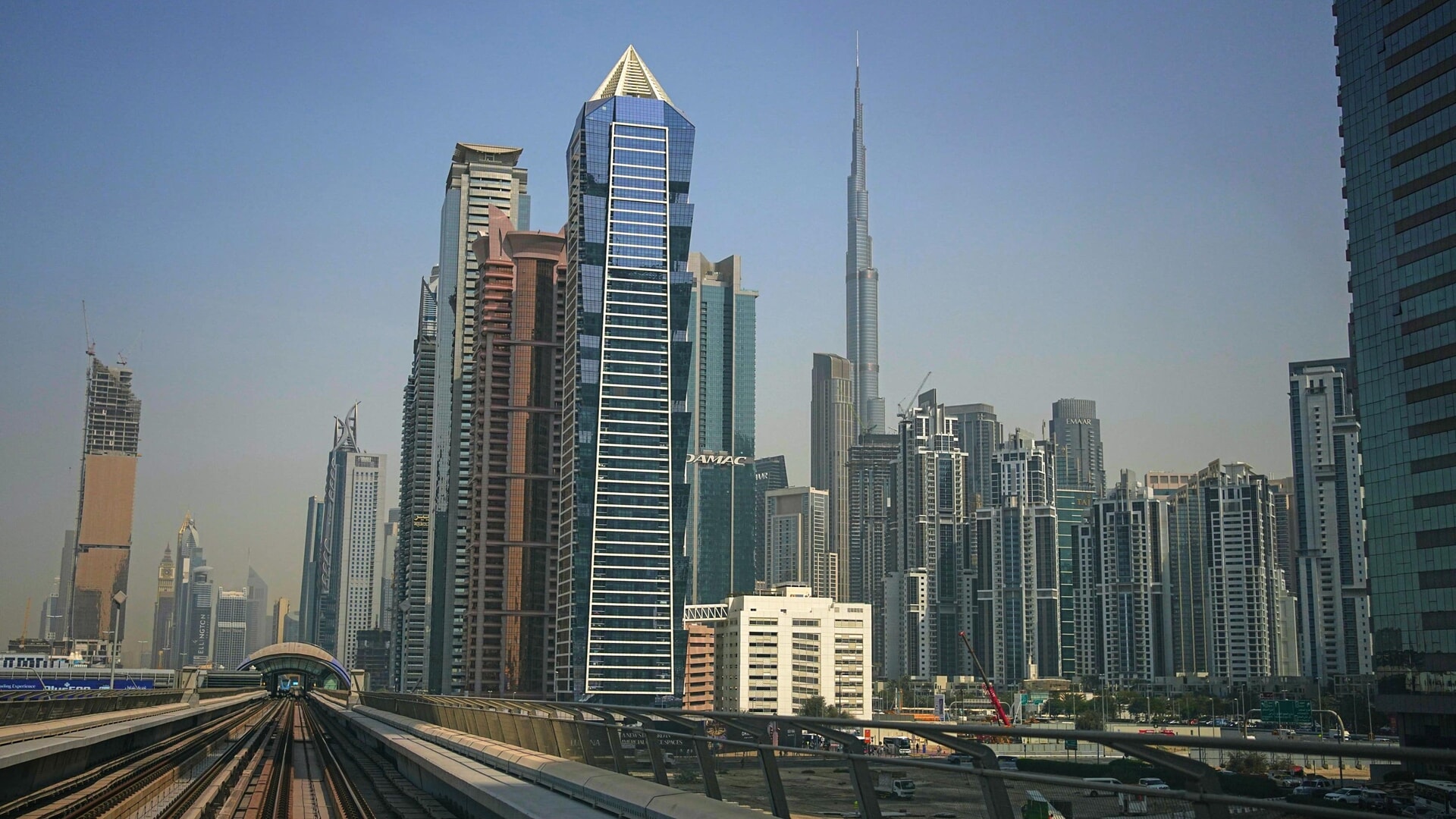
Travellers from Dubai, usually known as a safe and luxurious destination, are seeking to evacuate by travelling overland either to Muscat, Oman, about a four-hour drive, or to Riyadh, the capital of Saudi Arabia, more than 10 hours away.
Then they board one of the few available commercial flights or take a charter flight, whose costs have soared since the start of the war.
 PA Media
“The demand is huge, and we can’t deliver enough aircraft to respond to the demand,” said Altay Kula, chief executive of the France-based private jet broker JET-VIP.
Whereas normally a charter flight on a private jet that can accommodate up to 16 passengers from Riyadh to Porto in Portugal may cost around 100,000 euros (£87,000) these days, the cost has doubled, Mr Kula said.
“This increase in cost reflects the aircraft’s scarcity, the repositioning costs as well, and the operator risk assessments. So this is not speculative pricing,” he added.
Prices can vary depending on the departure point, the type of aircraft and the route constraints, said Ameerh Naran, chief executive of Vimana Private Jets.
For flights from the Gulf region to Europe, prices are ranging from 150,000 euros (£130,000) to 200,000 euros, he added.
 PA Media
In order to reach functional airports such as those in Riyadh and Muscat, some travellers hire private security companies that co-ordinate transportation in vehicles ranging from ordinary passenger cars to coach buses.
Due to the heavy traffic, wait times at border points with Oman can be up to four hours, while costs range in the thousands of dollars, said Ian McCaul, operations and planning director with Alma Risk, a UK-based risk management and security firm.
Those seeking to leave are predominantly stranded travellers, as opposed to residents, Mr McCaul added.
He estimates his company has made transfer arrangements for more than 200 people and advised several others in recent days.
Vimana’s clients include business executives, families and entrepreneurs, as well as remote workers who had been based in the region, Mr Naran said.
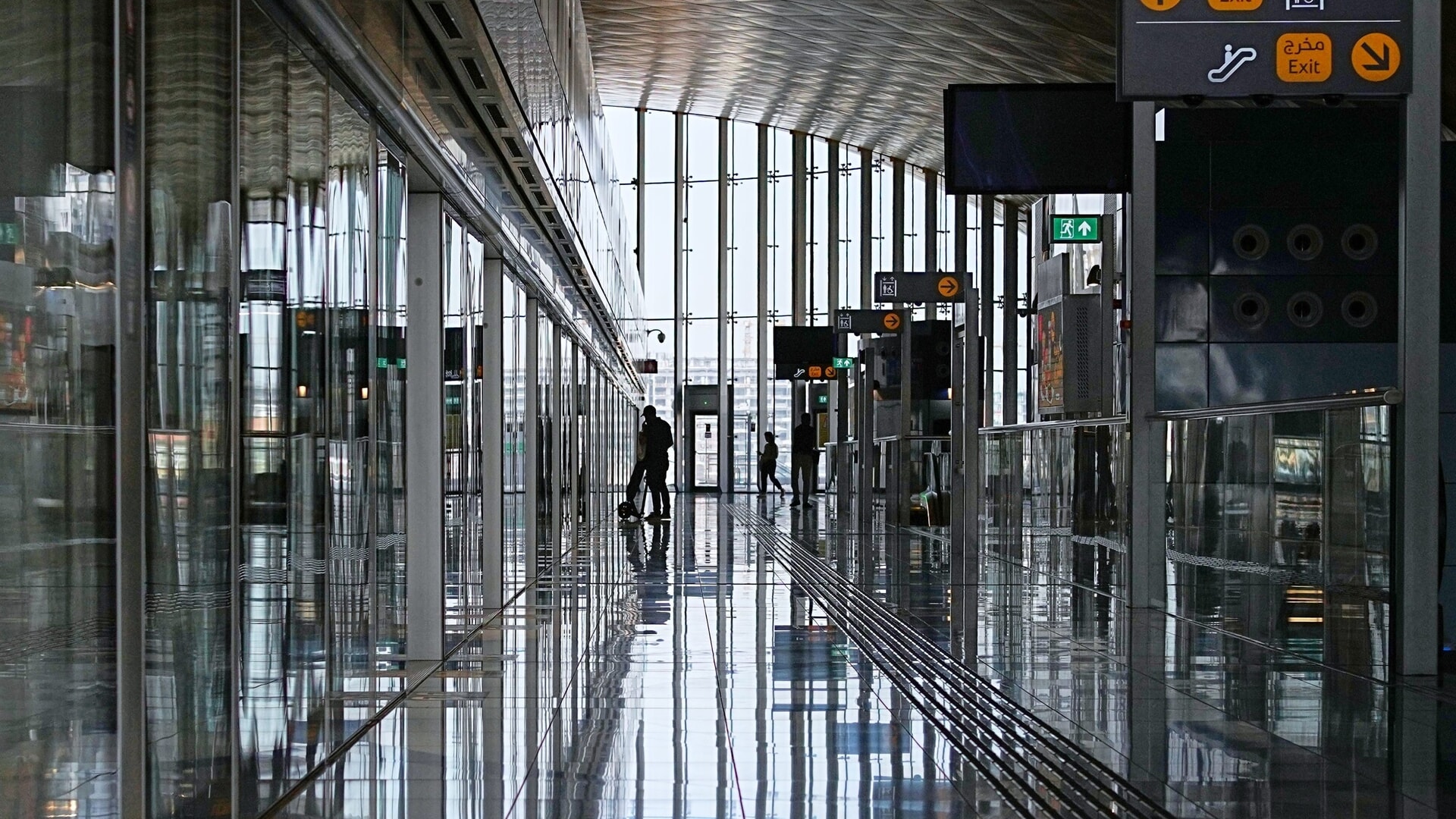
Elie Hanna, chief executive for the Middle East headquarters of Air Charter Service, based in Dubai, said most of the flights out of the region are leaving from Oman.
The prices are so high, he said, because few charter planes are available since most of them are stuck at airports that are now closed.
 PA Media
The clients he is seeing range from people who regularly charter private to people who generally fly commercial but are trying to pool resources with other travellers or families to share the expense.
“Everyone is stressed,” Mr Hanna said.
“To be honest, everyone is trying to accommodate as much as they can. Muscat Airport is overloaded with flights and everybody is stressed.”
Experts from the International SOS security and health services company expect the fighting to continue to affect transportation and energy infrastructure for weeks.
Follow STV News on WhatsApp
Scan the QR code on your mobile device for all the latest news from around the country