 Maverick Photo Agency
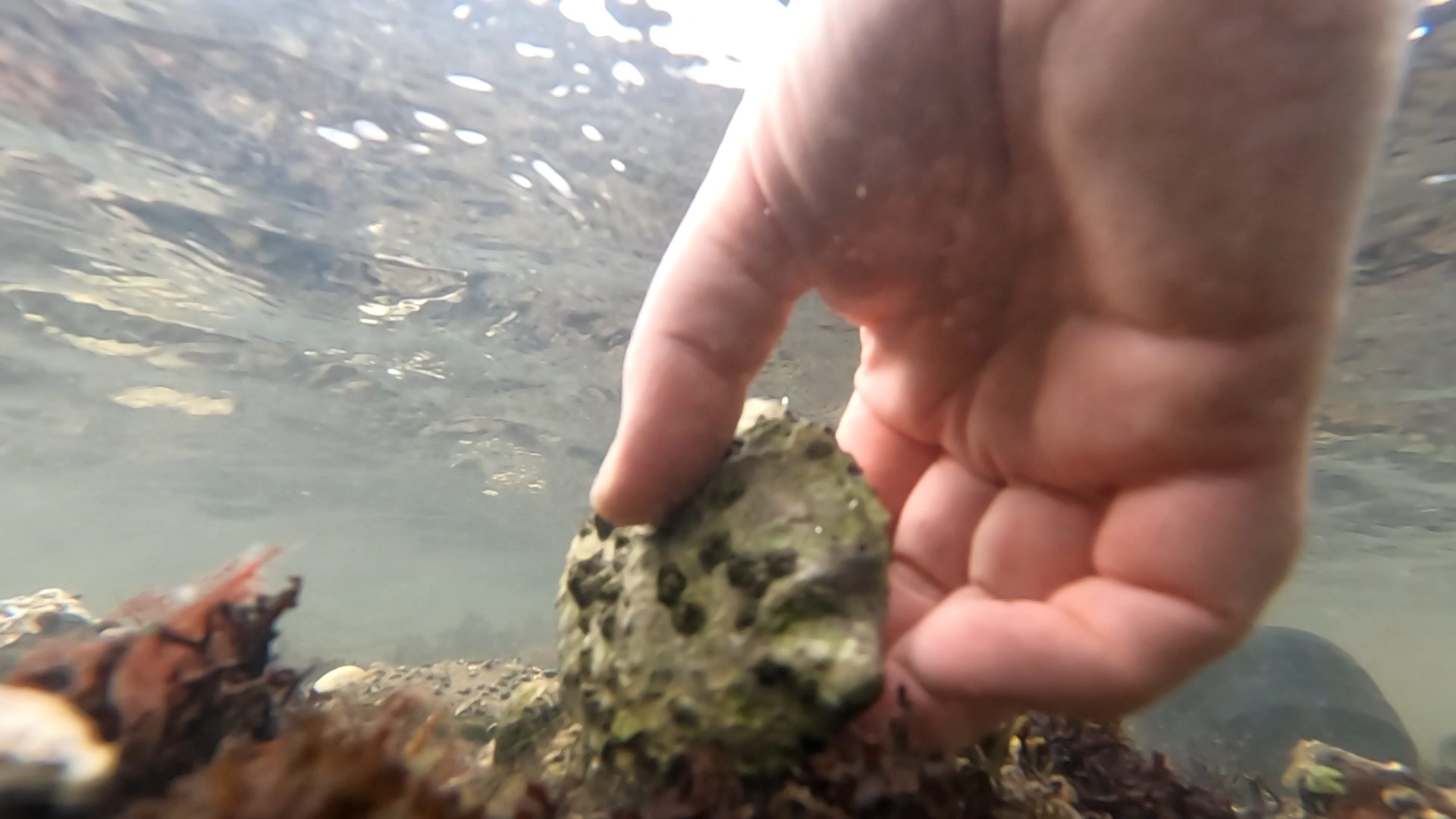
In a secret underwater location along Scotland’s coastline, Professor Bill Sanderson is gently nudging molluscs along the seabed.
Within minutes, he brings one to the surface. Then a second, and a third. Each one larger than the last.
The fact that there are any to nudge at all is something of a major conservation milestone.
“We have historic records of 30 million oysters a year being extracted here over a ten-year period,” says Professor Sanderson. “So, 300 million oysters is just the tip of the iceberg I think. There were probably billions here.”
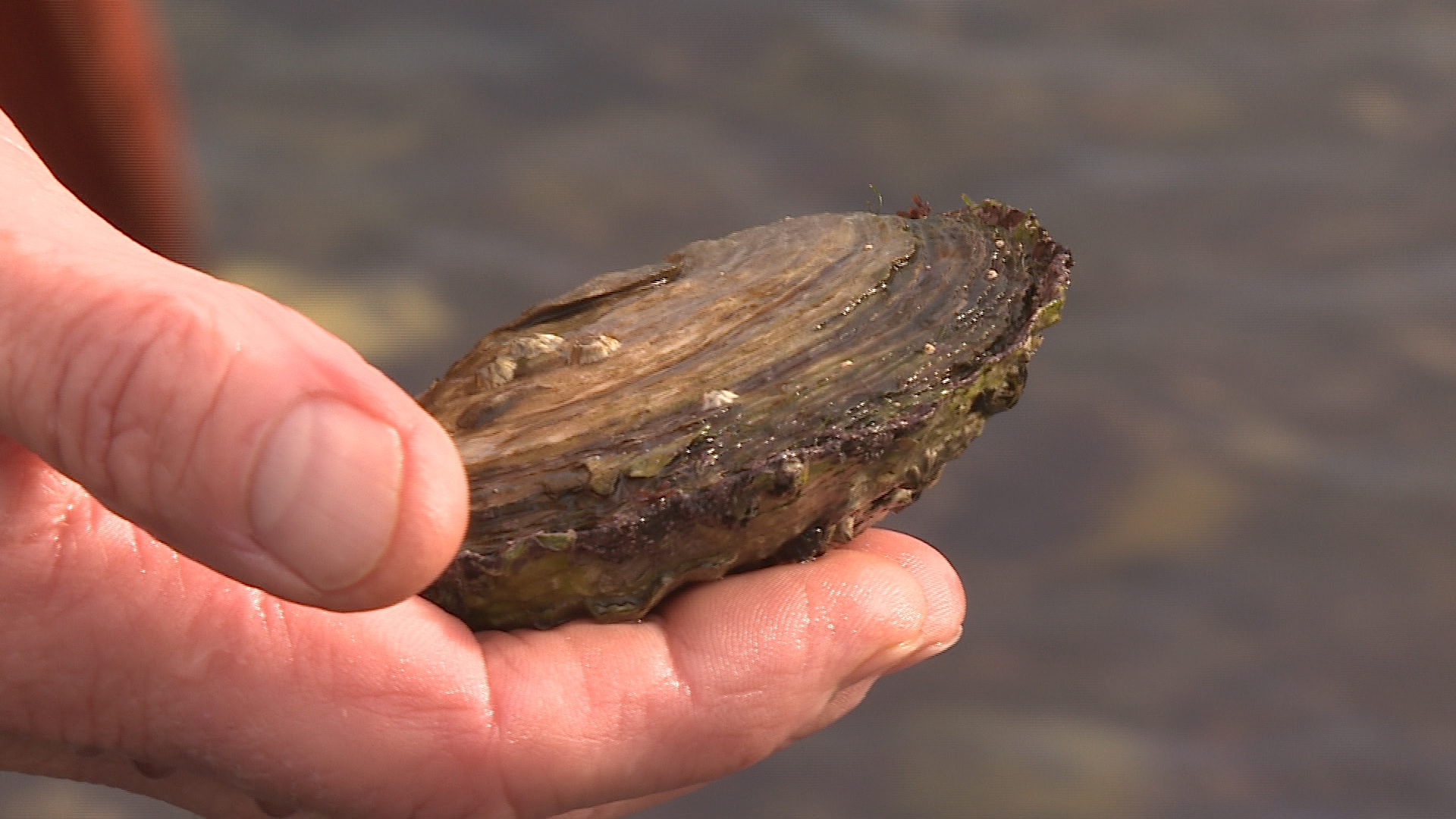
By the beginning of the 1900s, pollution and overfishing had driven this native oyster to local extinction.
A few years ago, community-inspired projects began to help bring back this lost species.
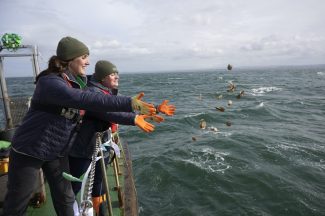
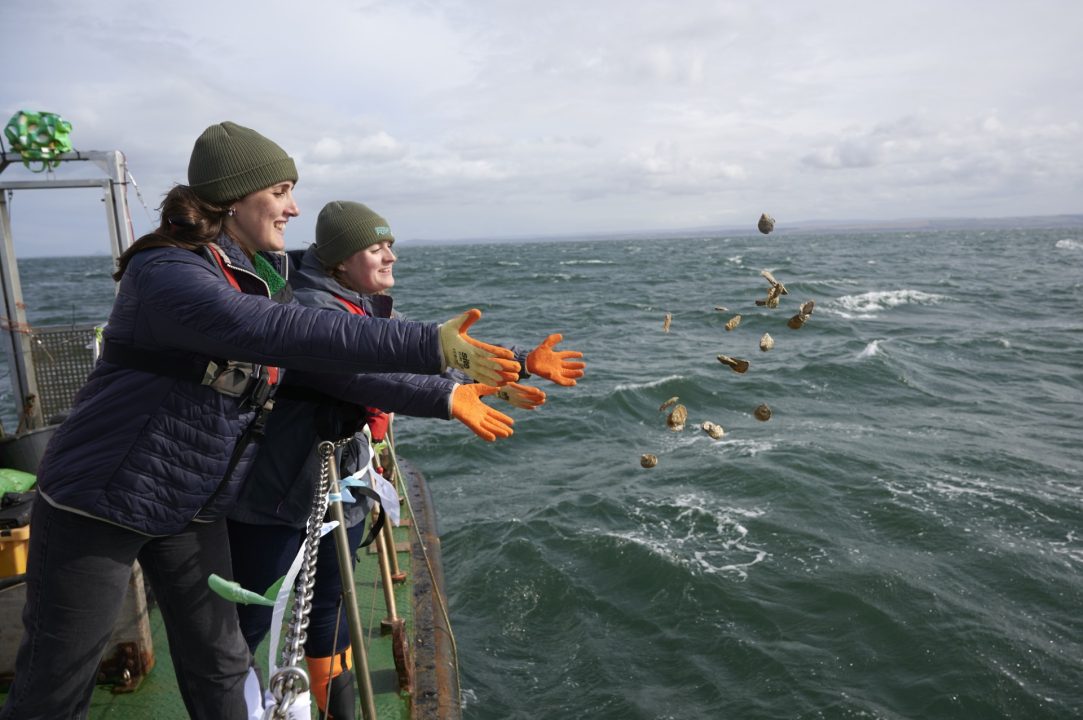
Tens of thousands of oysters were released into the Firth of Forth, each one scrubbed by hand by local volunteers, with divers and underwater cameras then monitoring their progress.
 STV News
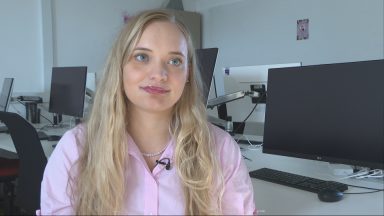
“The presence of oysters can enhance the biodiversity in a location like this, by providing a complex structure of wee nooks and crannies for other creatures to live in and hide from predators,” says marine expert Dr Naomi Kennon.
“Over ten years, you could potentially double the biodiversity in this area, which would be amazing.”
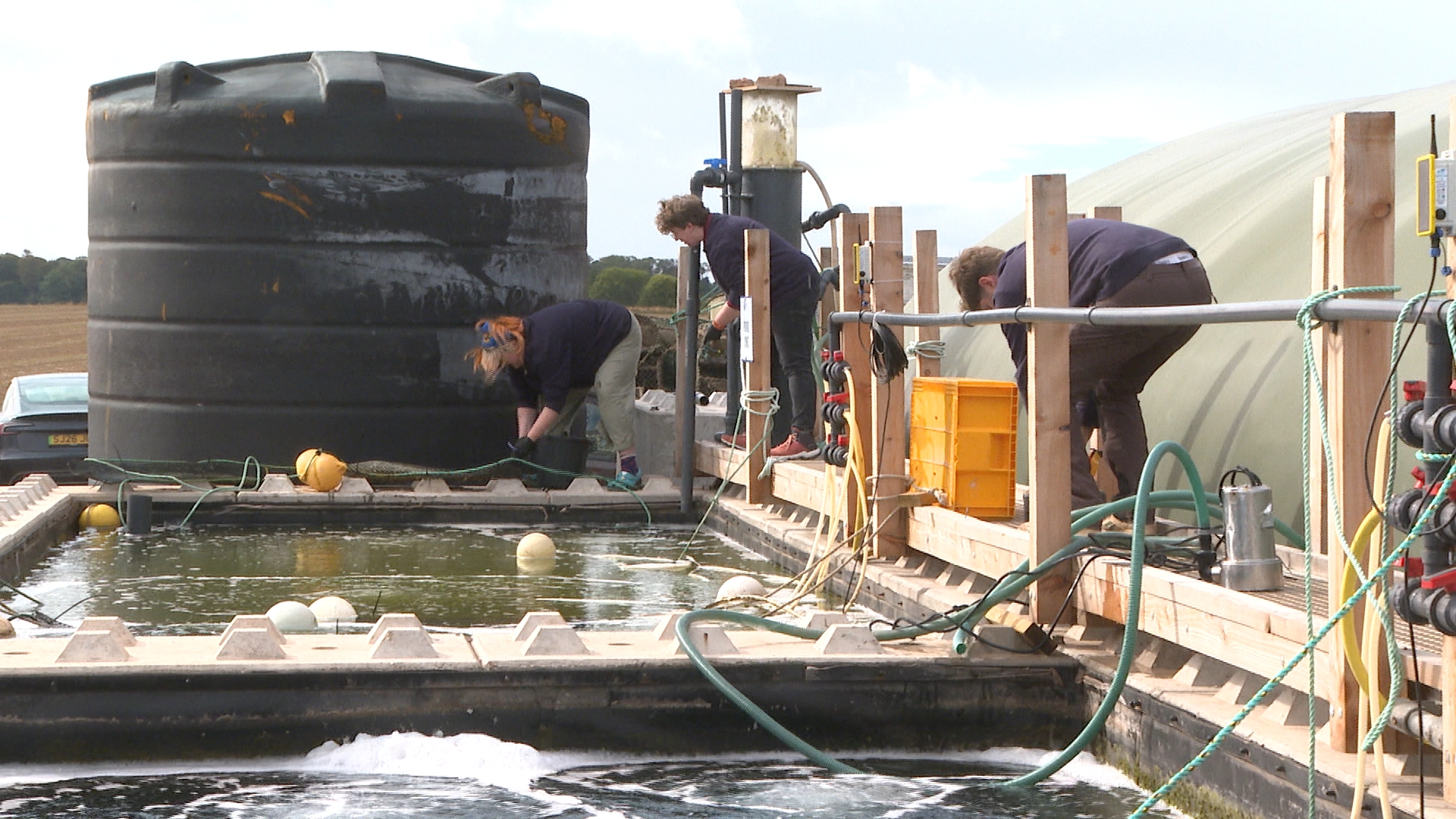
Dr Kennon is involved with the Forth Marine Hatchery, set up by marine charity Balance Horizon. The next step in the restoration of these oysters.
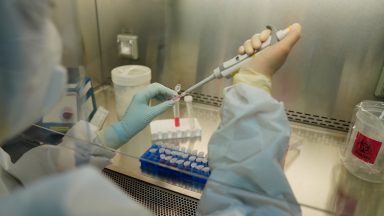
In short, it’s a pioneering conservation facility which grows oysters (spat) in a sort of baby oyster nursery and cares for them until they’re strong enough to be released into secret locations in the wild.
It’s ecological restoration at scale for the first time in Scotland.
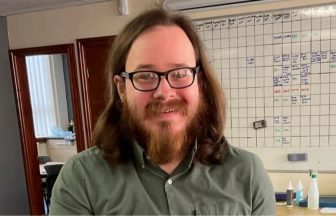
“A project like this, at this scale, could produce hundreds of thousands of native oysters for restoration and our hope is we can upscale this even further,” says project lead Jake Norton.
Supported by a wide team of friendly and dedicated local volunteer Scots, it has also become something of a symbol of conservation hope at a time when species across the globe are experiencing catastrophic number decline.
 STV News
According to the WWF’s Living Planet Report for 2026, there has been a stark 73% decline in the average size of monitored wildlife populations over a 52-year period.
It includes 35,803 population trends of 5,790 vertebrate species from 1970 to 2022. The report notes the strongest decline is in freshwater ecosystems (-85%), followed by terrestrial (-69%) and then marine (-59%).
Habitat loss and degradation is the most frequently reported threat affecting monitored wildlife populations, followed by overexploitation, climate change, pollution, invasive species and disease. These threats are, in turn, driven by broader systemic failures across the food, energy and finance systems.
Dr Kirsten Schuijt, Director General of WWF International, said: “Biodiversity continues to be degraded at an alarming pace. Yet amid these steep declines, there are grounds for hope. The Living Planet Report 2026 highlights evidence that many species populations are stable or recovering, alongside inspiring stories that show nature can rebound and change is possible. Recoveries in populations of species like tigers, bluefin tuna and green turtles show what years of sustained collective conservation effort can achieve.”
She added: “To continue and expand these conservation successes, the industries and systems which drive nature loss need to be transformed. Progress is already under way. Not everywhere, and not yet at the scale required, but enough to demonstrate that change is possible.”
 STV News
The Restoration Forth project is currently recruiting citizen scientists to help with oyster rewilding.
The science team at Heriot-Watt University has identified three key types of information that are valuable for assessing the survival and wider benefit of returning oysters to the Firth of Forth; finding the best places to restore oysters, checking how the oysters are doing and tracking the benefits of returning oysters.
Anyone interested in helping the scientists can find out more here on the Restoration Forth Monitoring Guide.
WWF Scotland senior policy manager Lyndsey Dodds said: “Certainly, when we bring it closer to home here in Scotland, Restoration Forth for us is that sign of hope and is creating that symbol of inspiration and hope for us here.”
Follow STV News on WhatsApp
Scan the QR code on your mobile device for all the latest news from around the country