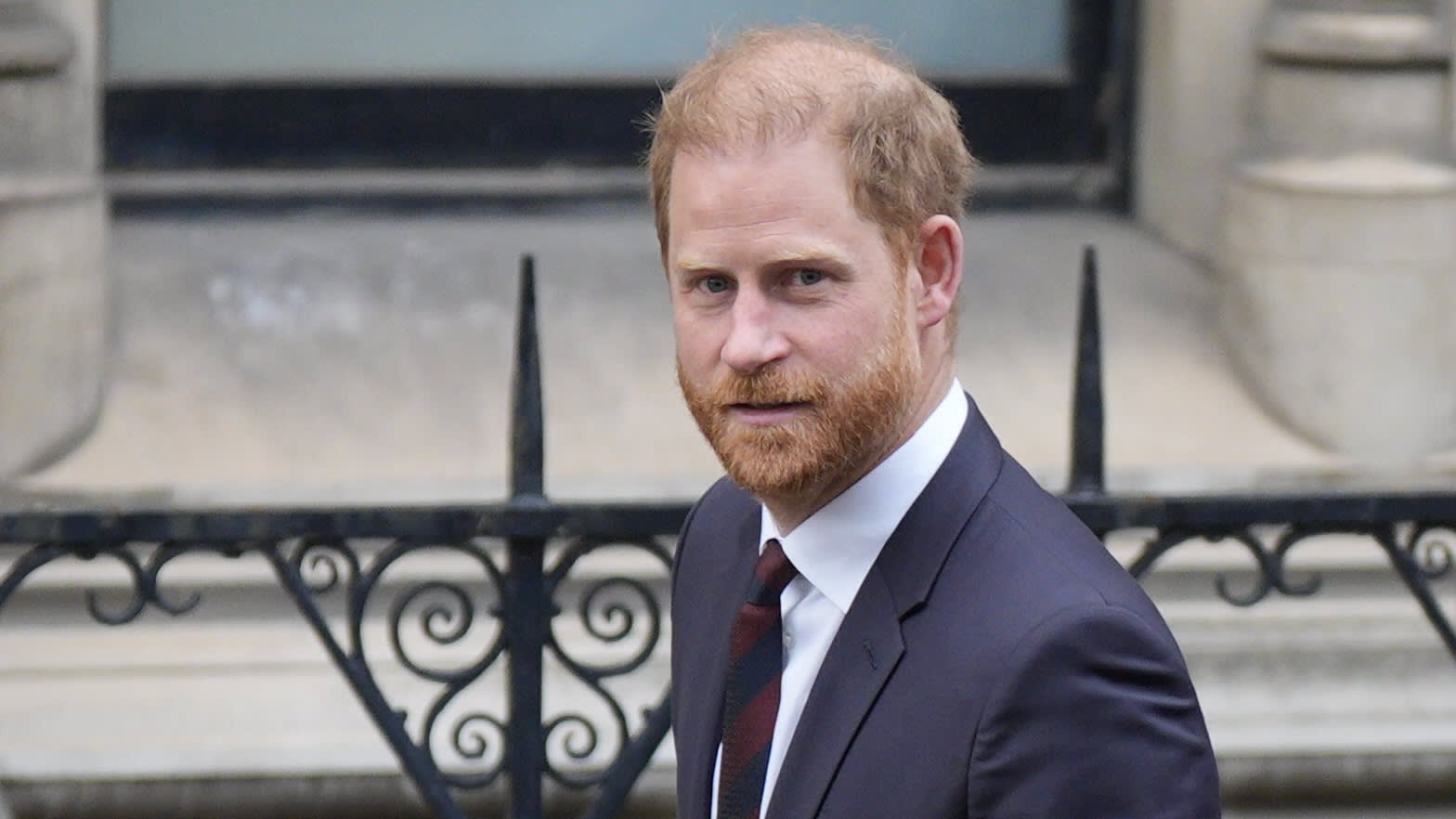
Like so many great dramas, Prince Harry’s battle against the British tabloid press has played out over three acts.
The last climatic action is due on Tuesday, with the ruling expected in his case against Associated Newspapers, publishers of the Mail.
It follows his earlier legal victories over the publishers of the Mirror and the Sun.
To add to the sense of theatre, the Duke of Sussex is expected to be in London to promote his Invictus Games.
It may be that he discovers the ruling while he’s at the event.
Harry is the lead claimant among six other high profile public figures who allege they were the targets of unlawful newsgathering techniques, including phone hacking and bugging, by journalists at the Mail.
Associated Newspapers strenuously denied all the allegations over eleven weeks of evidence, from dozens of witnesses, that was sometimes emotional, sometimes ill-tempered, and often combative.
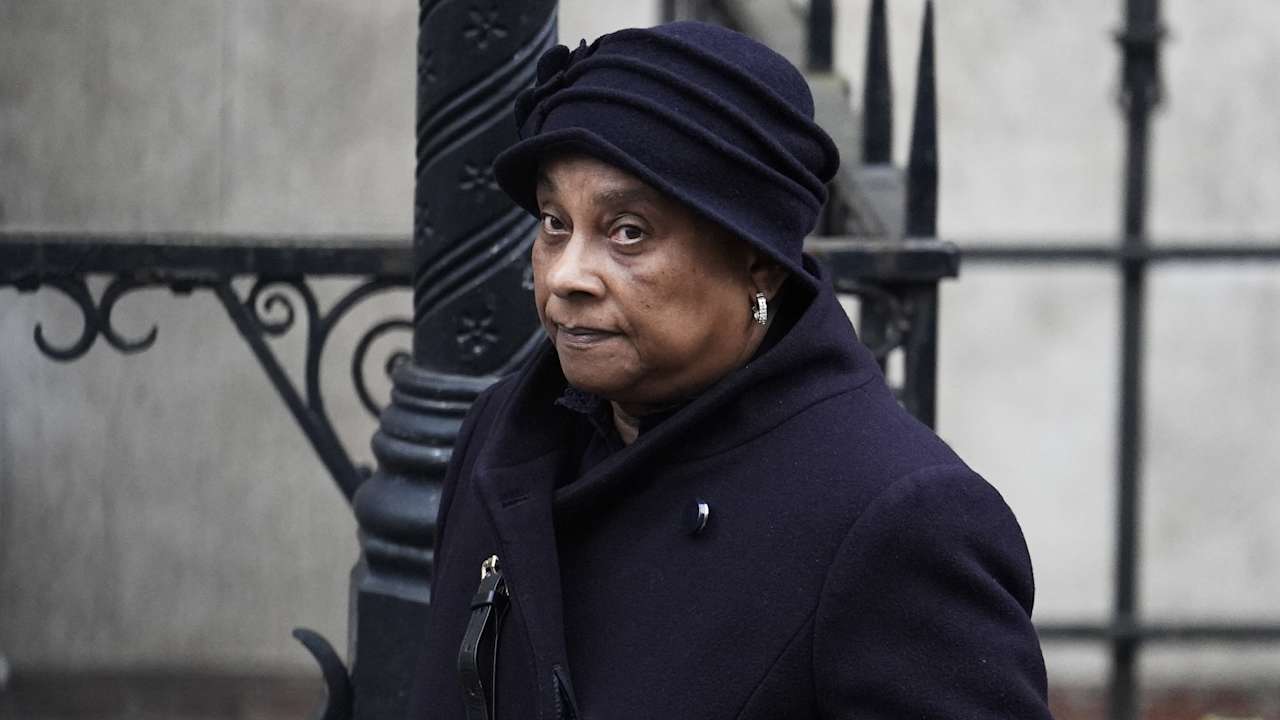
Alongside Harry, is Baroness Doreen Lawrence; potentially the most significant of the claimants.
She has spent half a lifetime fighting for justice after the racist murder of her son, Stephen – and for much of that time counted the Daily Mail as a powerful ally.
But in court she accused the Mail of paying corrupt police officers, of prying on her phone records and bank account.
She called it “betrayal” and in one of the most damning exchanges said the Mail had used her family to build credibility by being seen to support a black family.
Her claims were strongly denied by the Mail’s veteran correspondent Stephen Wright, who branded some of them “absolute nonsense”.
And when the Mail’s legendary editor, Paul Dacre, took the stand he insisted: ‘’The suggestion that we ran the campaign to generate exclusive headlines, sell newspapers and profit is sickeningly misplaced and bleakly cynical.’’
His hours in the witness box were among the most confrontational. More than any single individual, his reputation is in question.
In 2012 he told the Leveson Inquiry into press standards that there was no hacking at the Mail.
That assurance is being tested.
The Mail claims many of the stories being complained about came from friends or associates of the celebrities bringing their cases to court.
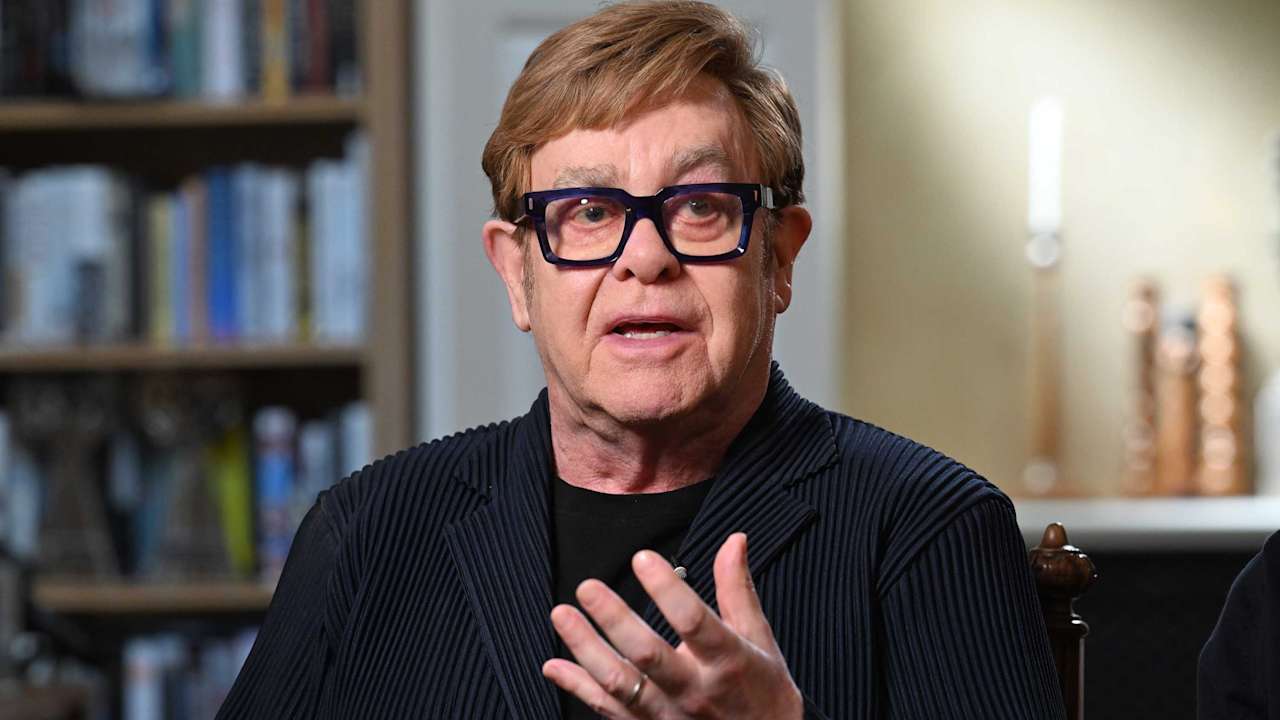
Sir Elton John had a succinct response: “My friends don’t talk to the press and that’s why they’re still my friends, to put it bluntly.”
His husband David Furnish, their friend Liz Hurley and the actor and producer Sadie Frost are among the other complainants, alongside the former MP, Sir Simon Hughes.
All said intimate details of their private lives were investigated by the Mail using unlawful means. But for each complaint, the Mail countered with a denial, insisting it used legitimate journalistic endeavour.
Associated Newspapers had a second line of defence. It argued that the claimants have bought their case far too late – long after the usual six-year limit.
That issue is just one of many complexities Mr Justice Nicklin will need to untangle in his judgment, which will also serve as verdict in kind on a period of British journalism that has passed into history.
The tabloid newspapers – along with the rest of the established media – are not as powerful as once they were. Sales have fallen, newsrooms thinned out.
There are new codes of practice, and even more importantly, new digital platforms that have transformed the news landscape.
Still, this ruling matters. The Mail remains a significant force on-line and in print. And for Harry and his fellow campaigners, it’s personal.
Follow STV News on WhatsApp
Scan the QR code on your mobile device for all the latest news from around the country