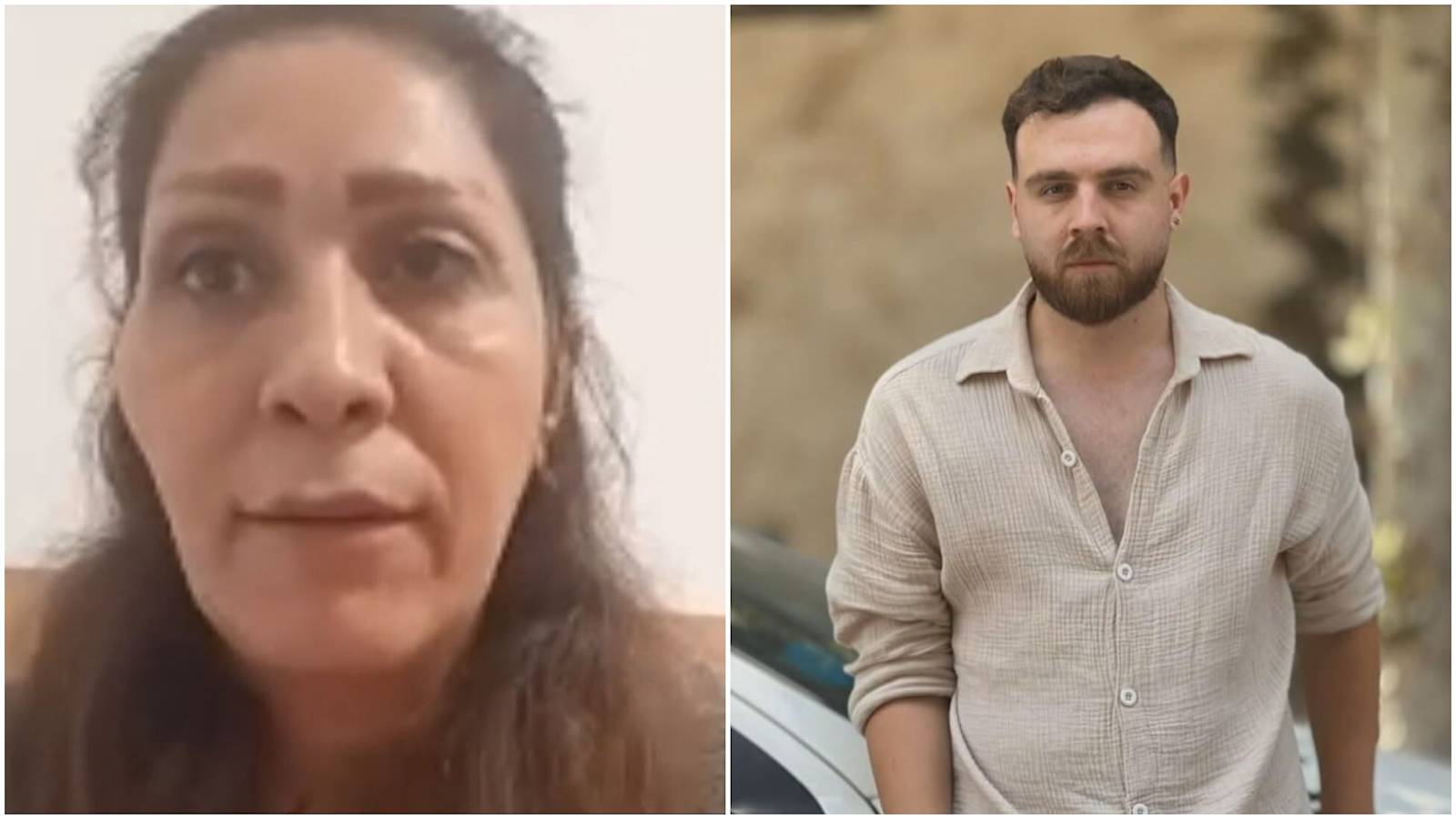
A relative of the detained Iranian protester who was widely expected to be executed this week has told ITV News that she is still “deeply worried” for him.
Erfan Soltani, 26, was arrested during protests last week in Fardis, near the capital of Tehran. Officials told his family shortly after that the 26-year-old would be sentenced to death on Wednesday. The Norway-based Hengaw Organization for Human Rights described it as a “rapid and opaque judicial process.”
He was denied access to a lawyer and legal defence, according to the rights group, which has been in touch with his family.
In an update on Wednesday evening, HENGAW told ITV News that his execution had been postponed, but that it still had “serious and ongoing concerns regarding Soltani’s right to life.”
On Thursday, the Islamic Republic judiciary denied that it had scheduled an execution for Soltani, and said he was not “sentenced to death.”
Speaking to the state broadcaster, the Islamic Republic of Iran Broadcasting (IRIB), they added that Soltani was charged with “colluding against national security” and “propaganda activities against the establishment.”
If convicted, he would not be executed, as “the death penalty does not exist in the law for such charges.”
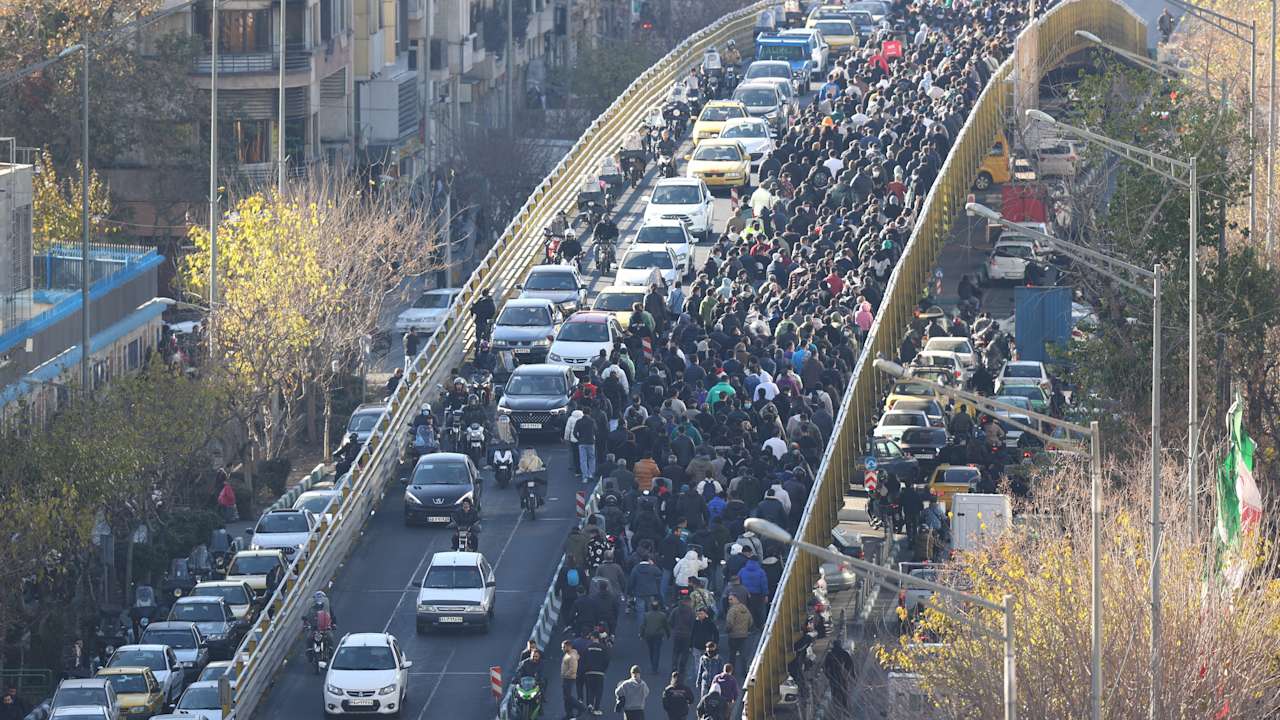
As of Friday, Hengaw told ITV News there has been no update on Soltani or his condition.
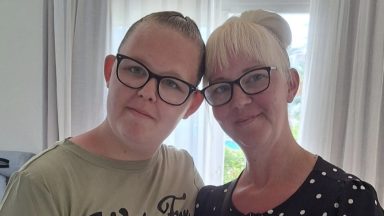
Soltani’s relative, Somayeh, told ITV News she was “still worried” about what could happen to Erfan, who remains in custody.
“Given that there is no legal protection in this country and the internet is often shut down, families cannot make their voices heard for their children,” she said.
“This is deeply worrying for me. I cannot feel confident or hopeful at any moment that nothing will happen to Erfan, and my concern is still very much there.”
Human rights groups say the internet blackout has made it difficult to understand the scale of arrests and to get regular updates, adding that there may be other cases similar to Soltani’s.
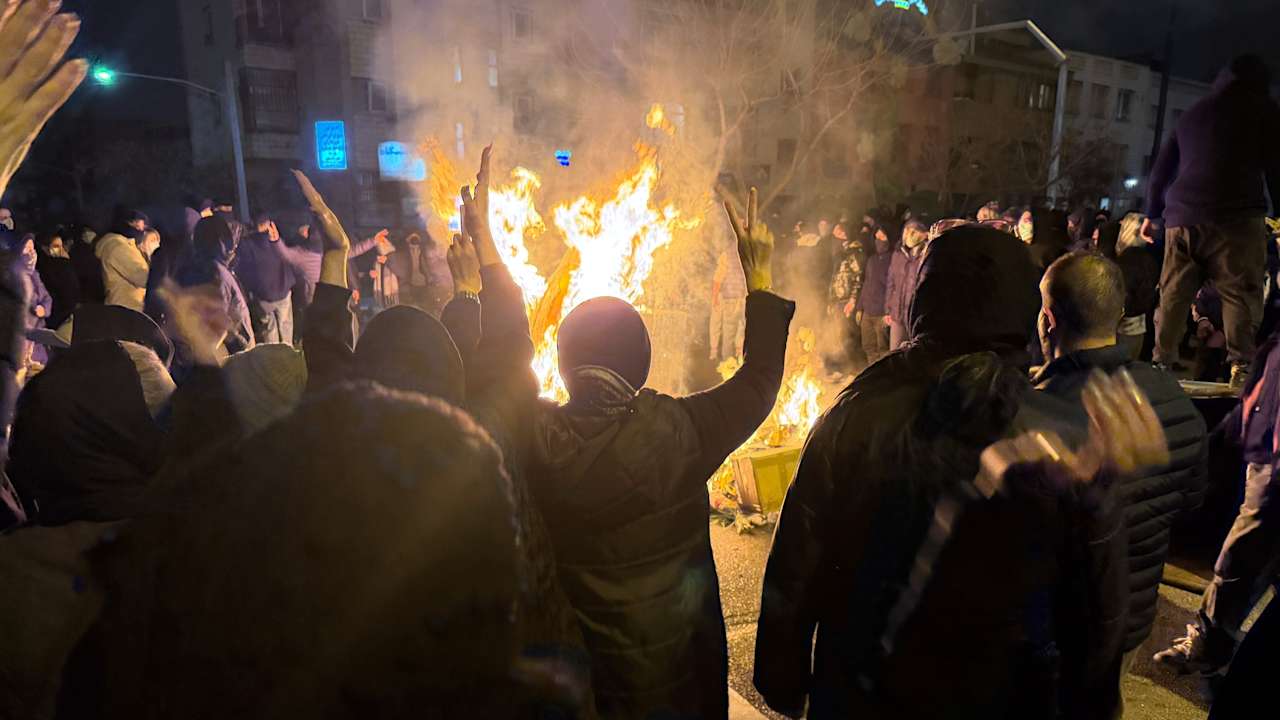
More than 19,000 people have been arrested, and at least 2,677 killed over the last two weeks, according to figures from the Human Rights Activists News Agency (HRANA).
Of those arrested, 169 are said to be under the age of 18, with the youngest being 14 years old.
As of Friday, the internet in Iran has been down for 192 hours, according to the global internet monitor, NetBlocks.
Gholamhossein Mohseni-Ejei, Iran’s judiciary chief, said on Wednesday that the government should press ahead with rapid trials and executions.
“If we want to do a job, we should do it now. If we want to do something, we have to do it quickly,” he said in a video shared by Iranian state television online on Wednesday.
He added: “If it becomes late, two months, three months later, it doesn’t have the same effect. If we want to do something, we have to do that fast.”
The Islamic Republic of Iran has a history of using executions to repress widespread unrest.
A 2024 Amnesty International report found that 10 people were executed in relation to the “Woman, Life, Freedom” protests that swept the country in 2022 and 2023, after a young woman named Mahsa Amini died in police custody after being detained for improper hijab.
Her comments come as White House Press Secretary Karoline Leavitt said on Thursday that “all options remain on the table” for Donald Trump.
Somayeh said that she felt “hopeful” about the US president coming to help.
“We definitely need support from Trump, and just as the true nature of the Islamic Republic is clear to the people, I want it to be clear to world leaders as well. They are deceiving everyone,” she added.
Follow STV News on WhatsApp
Scan the QR code on your mobile device for all the latest news from around the country