The war has pushed the price of natural gas up by almost 40 per cent, after Iran struck oil facilities in Saudi Arabia and Qatar, as ITV News Economics Editor Joel Hills reports
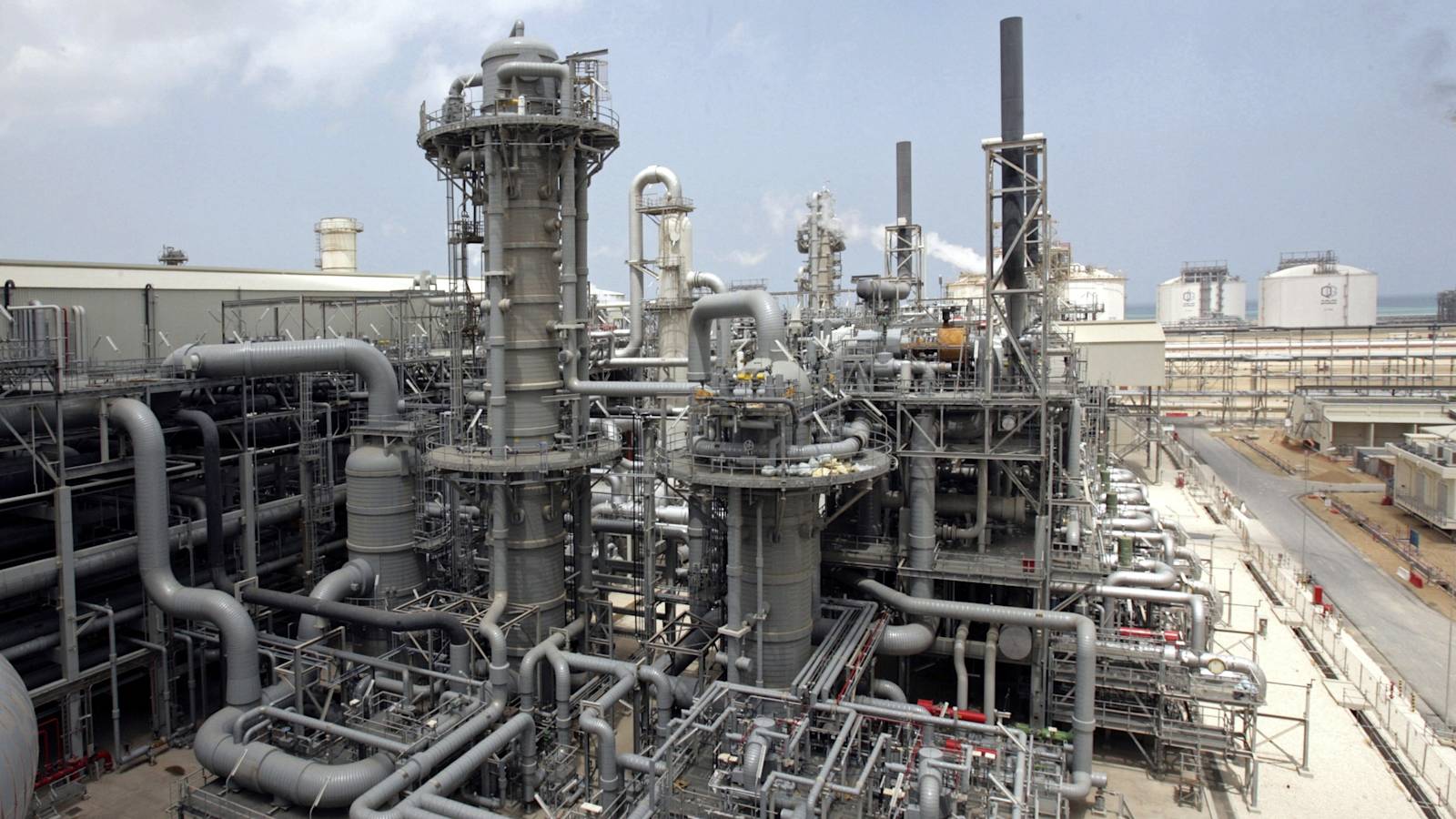
QatarEnergy, the world’s largest producer of liquefied natural gas (LNG), has halted production in a move that has already sent global gas prices soaring – and could eventually feed through to the energy bills paid by households and businesses in the UK.
The company’s huge Ras Laffan facility in Qatar has been targeted by Iranian drone strikes.
There is no indication the plant itself has been damaged; indeed, the shutdown appears to be linked as much to disruption in the Strait of Hormuz as to any direct hit.
The strait – one of the world’s most important shipping routes for oil and gas – remains open.
But vessels have been avoiding it after insurers warned they could cancel cover or sharply raise premiums because of the risk of attack.
That has created a bottleneck.
Empty tankers cannot get back to Qatar or the UAE – another major LNG producer – to reload, while full tankers are waiting offshore with nowhere safe to go.
The result has been an immediate jump in prices.
The European benchmark gas price, known as TTF, surged by 38% to around €45 per megawatt hour – the biggest daily move in four years, although still well below the extreme levels seen in August 2022 when Vladimir Putin cut off most Russian supplies to Europe.
The disruption is bad news for Qatar, whose economy depends heavily on LNG exports, but it is also a serious concern for big buyers in Asia, including India, China, and Japan, which rely on Qatari gas to keep their economies running.
The UK does not buy much gas directly from Qatar. Most of what we use comes by pipeline from Norway or as LNG shipped from the United States.
But in a global market, the price is set internationally. If Asian buyers start competing more aggressively for cargoes that would otherwise have come to Europe, prices here can rise even if our physical supply does not change.
“[The QatarEnergy shutdown] is very, very significant,” says Laura Page, Insight Manager for LNG and natural gas at Kpler.
“The key point is that we are still in winter. We haven’t yet reached the stage where heating demand is falling, and gas storage levels in Europe are already relatively low.”
In the UK, household energy bills are partly shielded by the price cap set every three months by the regulator, Ofgem.
Last week, it was announced that the average annual bill will fall by £117 from April, largely because the government has decided to move the cost of energy efficiency schemes from consumer bills to general taxation.
But that could change again if wholesale gas prices stay high.
As a rough guide, if the market price remains at the levels reached today for the next three months – and it may not – the typical household bill could rise by around £150 a year when the cap is reset in July.
In other words, events in the Gulf tonight could still end up showing up on energy bills in Britain this summer. If the disruption persists.
Follow STV News on WhatsApp
Scan the QR code on your mobile device for all the latest news from around the country