Details have emerged on the advice given to Britons in the event of a major national power blackout, including on how to ration food and water.
The government has published the lengthy scripts that would be read out on the radio by Chris Whitty and other chief medical officers in the event of a UK-wide power outage.
While the prospect is “very unlikely”, efforts to make the UK better prepared have ramped up after Spain and Portugal were hit with blackouts in April.
The government says such an outage would cause “significant and widespread disruption and risk to health.”
The messages from the chief medical officers would be read out on BBC Radio 2 and Radio 4 and accessed via battery-powered radios, because other communications infrastructure would be wiped out.

The address begins by saying: “I am about to provide you with important information. You may want to write this down so that you can refer to it later. This advice will be repeated regularly.
“We have planned in case this extraordinary situation happened, and this advice has been created by doctors and scientists to help keep you and your family healthy.”
Water: filtering with bedsheets, bleach to purify, and no alcohol
The first script begins with advice on daily water intake and ways to ration water.
People should drink at least two litres of fluid a day, which is around eight cups. Tap water is safe from the cold tap as long as it is flowing normally.
Other fluids considered safe to drink include bottled water, soft and fizzy drinks and juice from tinned fruit.
In the event of a power outage, the sewage system won’t be working, meaning people can’t flush the toilet.
“You should collect your poo in plastic bags, which should be sealed and disposed of with normal household waste, ideally in an outside bin,” the advice says.
Alcoholic drinks should also be avoided because they’re dehydrating, people would be told.
In the event of tap water and other fluids running out, the advice recommends sourcing water from rainwater collection, such as water butts, reservoirs and lakes and then filtering and purifying it.
The messages would say you can filter water using a coffee filter, a pillowcase, or a bed sheet.
The water can then be disinfected by boiling it, using water purification tablets or adding a small amount of bleach to the water.
“You can use regular unscented, household bleach. It is important not to use too much bleach. Add approximately one-quarter of a teaspoon of unscented, household bleach for every 10 litres of water (approximately one bucket). Leave it to stand for 15 minutes,” the advice says.
The chief medical officer would also say: “I know all the advice I am giving you might sound strange and you may be especially worried about drinking water containing bleach.
“Remember that this advice has been developed by doctors and scientists to help keep you safe and healthy, as long as you follow these instructions carefully.”
Food: eat cupboard products and use a camping stove
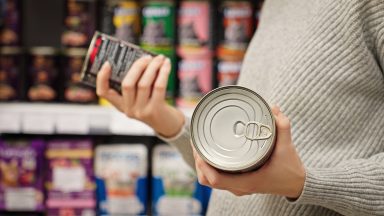
The advice also directs people to eat chilled and frozen food likely to go off quickly first, and to save cupboard items with a longer shelf life until last.
“Take stock of how much food you have available for everyone in your household for the next few days,” the script says.
“Do not eat food that is rotting – throw it away immediately in an outside bin. Open the fridge and freezer doors as little as possible to keep them cold.”
In winter, people will be able to keep food outside in a sealed container to keep it cold.”Food might take longer to cook than usual so make sure it is steaming hot and cooked through before you eat it,” the script says.
The advice suggests using a camping stove or a barbecue outside to cook, or even lighting a campfire. Although it says they must not be used inside because of the risk of carbon monoxide poisoning.
You can visit the government’s Prepare website to get practical advice on how to deal with a power cut.
Follow STV News on WhatsApp
Scan the QR code on your mobile device for all the latest news from around the country