Survivors of terrorist attacks are being “mistreated and neglected”, campaigners have said as the UK marks the first dedicated memorial day for victims.
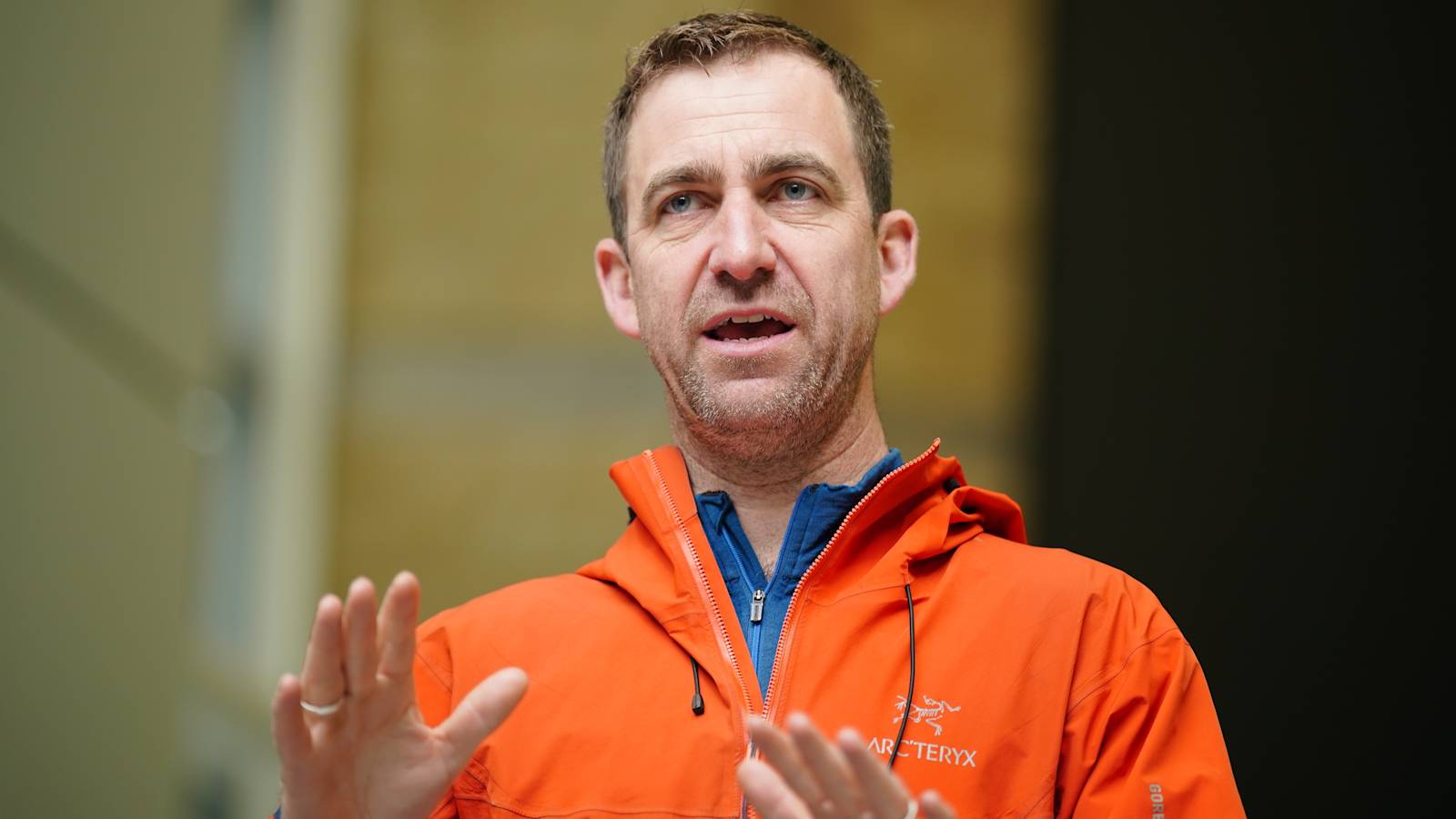
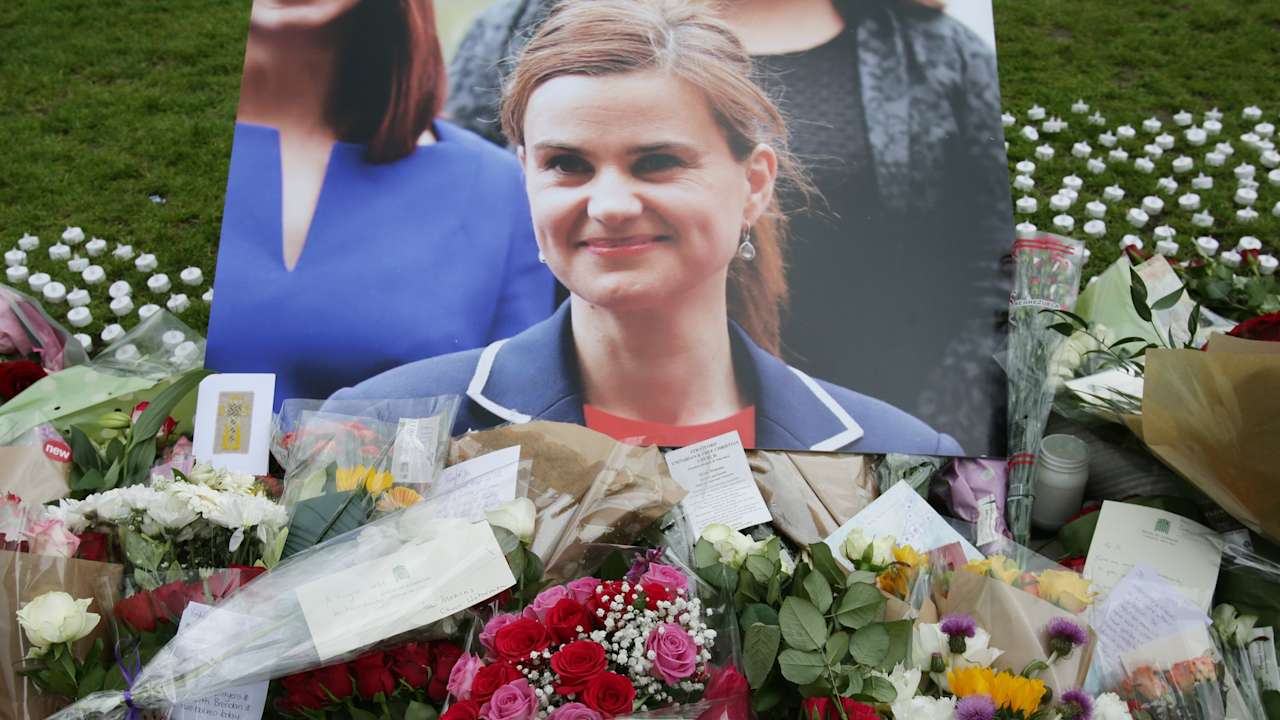
Brendan Cox, husband of murdered MP Jo Cox, said the report he co-authored “lays bare the scale of failure” on some issues facing survivors.
“The public expect survivors to be cared for, today’s report shows that is a promise only being half kept,” he added.
Founded in 2018, Survivors Against Terror (SAT) proposed a “survivors charter” based on support provided in other countries.
The principle underlying the charter was that the state has a particular responsibility to survivors of terror attacks as the targets are in most cases “not targets themselves, but are proxies for the state”.
“Many other countries acknowledge that principle and the extra responsibility that that brings. It’s time we saw that systemic shift here too”, SAT said.
Assessing progress on meeting the charter’s requirements, the report found improvements in areas such as personal and psychological support.
But elements such as financial assistance, compensation, access to legal advice, and recognition of victims were deemed to fall far short of what is needed.
The report, based on the experiences of hundreds of survivors of terrorist attacks, found financial support is fragmented and can depend on individual circumstances such as employment and pension arrangements.
“The absence of a guaranteed mechanism means that survivors and bereaved families may face unexpected and significant costs at a time of profound trauma, without certainty about whether financial assistance will be available or when it will arrive,” the report said.
Likewise, the UK does not have a dedicated compensation scheme for victims and survivors of terrorism, requiring those affected to seek compensation through the Criminal Injuries Compensation Authority (CICA).
The report said few elements of support “have attracted such sustained criticism”, with multiple survivors, parliamentarians and government-commissioned reports identifying similar concerns, “yet meaningful reform has remained elusive”.
Interviews with survivors identified “profound dissatisfaction with the CICA process” as only 9% of respondents considered the claims process as reasonable.
Just 7% believed it was sympathetic to the needs of victims and survivors.
“Survivors described lengthy delays, poor communication, repeated requests for evidence and a process that many experienced as retraumatising,” the report added.
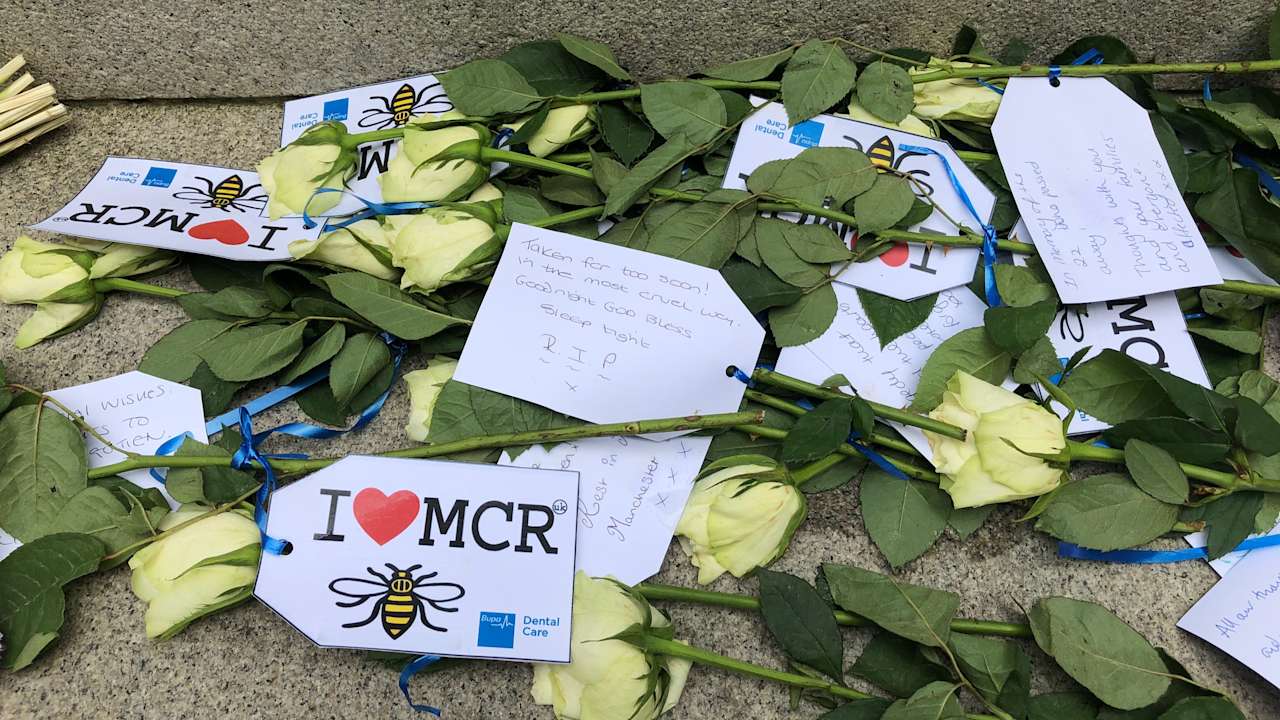
It featured the case of Paul, who was waiting outside Manchester Arena for his 13-year-old daughter to leave the Ariana Grande concert in 2017 when a suicide bomber detonated an improvised explosive device.
He said: “The blast changed my life forever. I suffered catastrophic injuries that left me unable to return to work after a lifetime of employment.
“Alongside my own injuries and the months of hospital treatment and rehabilitation that followed, I had to face the devastating loss of Elaine.
“I turned to the Criminal Injuries Compensation Authority believing it would provide recognition and support as I tried to rebuild my life.
“Instead, the process became another source of trauma.”
Paul highlighted being repeatedly required to revisit the events of that night and provide extensive evidence to prove the impact of what happened.
He added: “The delays, uncertainty and constant need to justify my injuries left me feeling as though I was not being supported, but questioned.
“After surviving a terrorist attack and losing Elaine, the last thing I expected was to feel as though I had to prove my suffering to a system that was supposed to recognise it.”
Prime Minister Andy Burnham worked closely with those affected by the Manchester Arena attack and campaigned for Martyn’s Law, officially the Terrorism (Protection of Premises) Act 2025, which aims to improve security at public venues.
The report said: “The Ministry of Justice despite knowing the scale of the failure and promising to introduce a new system have delivered no substantial progress and as a result survivors of attacks are having their lives and recovery made harder.

“It remains a national scandal that survivors of attacks are being mistreated and neglected in this way.”
The report also said there remains no “clear, consistently applied mechanism” that ensures victims and survivors understand their legal options, are supported to access independent legal advice and representation, and can obtain that support throughout the processes arising from a terrorist attack – as set out in the charter.
In addition, SAT has called for a formal national honour to recognise those killed, injured or otherwise endangered by acts of terrorism, “reflecting the lifelong impact of terrorism and the fact that such attacks are an attack against the state as well as individuals”.
Mr Cox said: “Today’s first national memorial day for victims and survivors of terrorism is a moment when we hope the nation will remember the impact of terrorism on our fellow citizens.
“But survivors also want it to be a moment of accountability. This report shows the scale of progress it is possible to make and we welcome the changes on issues like mental health support in particular.
“But it also lays bare the scale of the failure on issues like compensation. The public expect survivors to be cared for, today’s report shows that is a promise only being half kept.”
Jo Berry, report co-author and daughter of Anthony Berry MP who was killed in the 1984 Brighton hotel bombing, said: “The new prime minister has supported survivors and worked with us closely in the past.
“We hope that he takes that support into his new role and demands progress, especially on the failed compensation system. ”
Lisa Ghiggini, report co-author who was at the Fishmongers’ Hall terror attack in 2019, said: “Uneven progress simply isn’t good enough.
“Survivors don’t expect the earth, they just want to be supported when their lives have changed fundamentally through no fault of their own.
“At the moment we still have members who don’t have the resources to build a downstairs toilet following attacks that have left them struggling to walk. The public expects better.”
The government has been approached for comment.
Follow STV News on WhatsApp
Scan the QR code on your mobile device for all the latest news from around the country