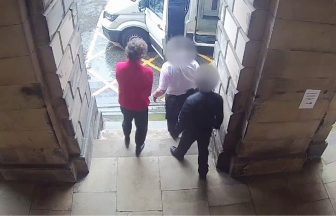
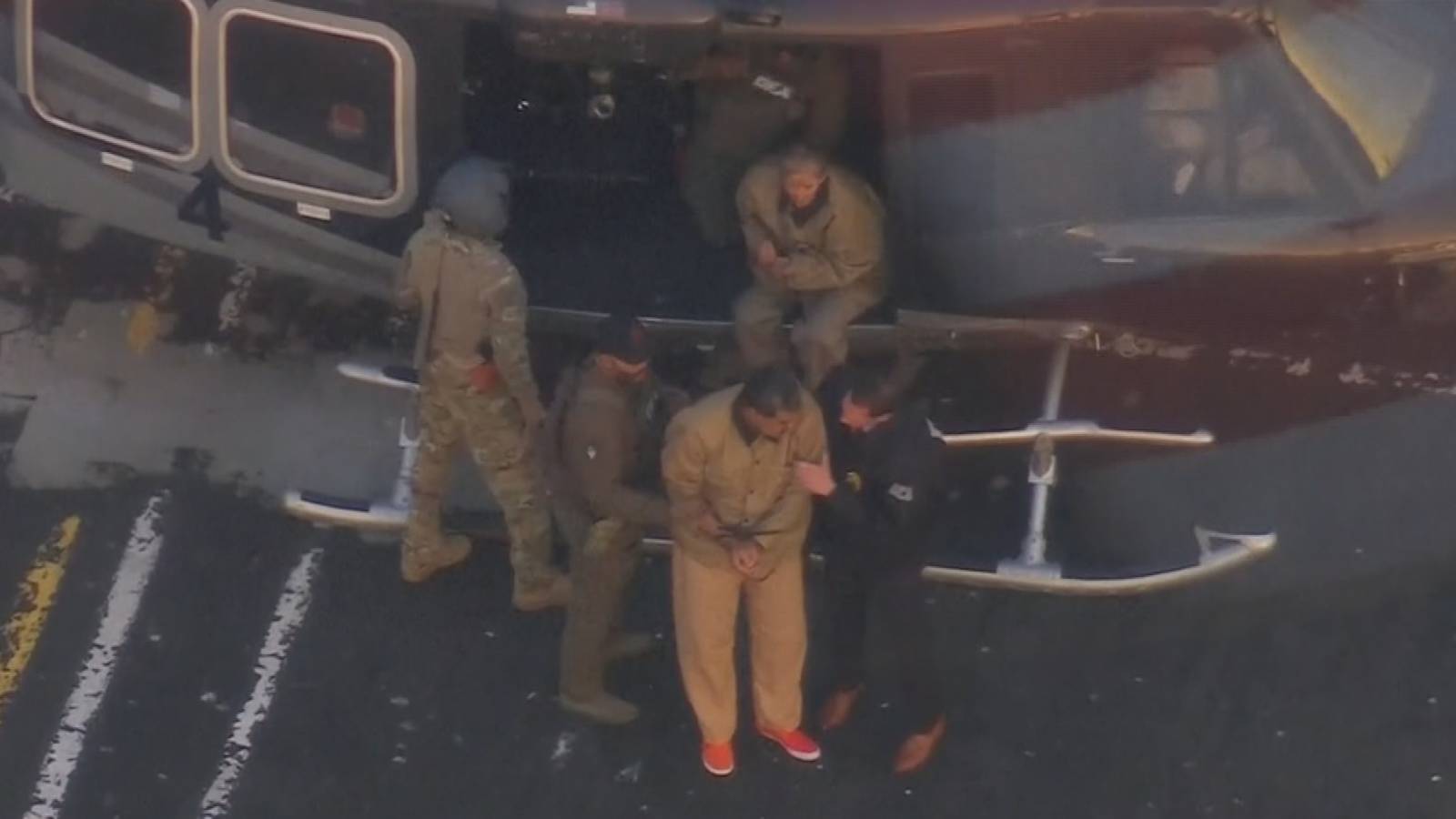
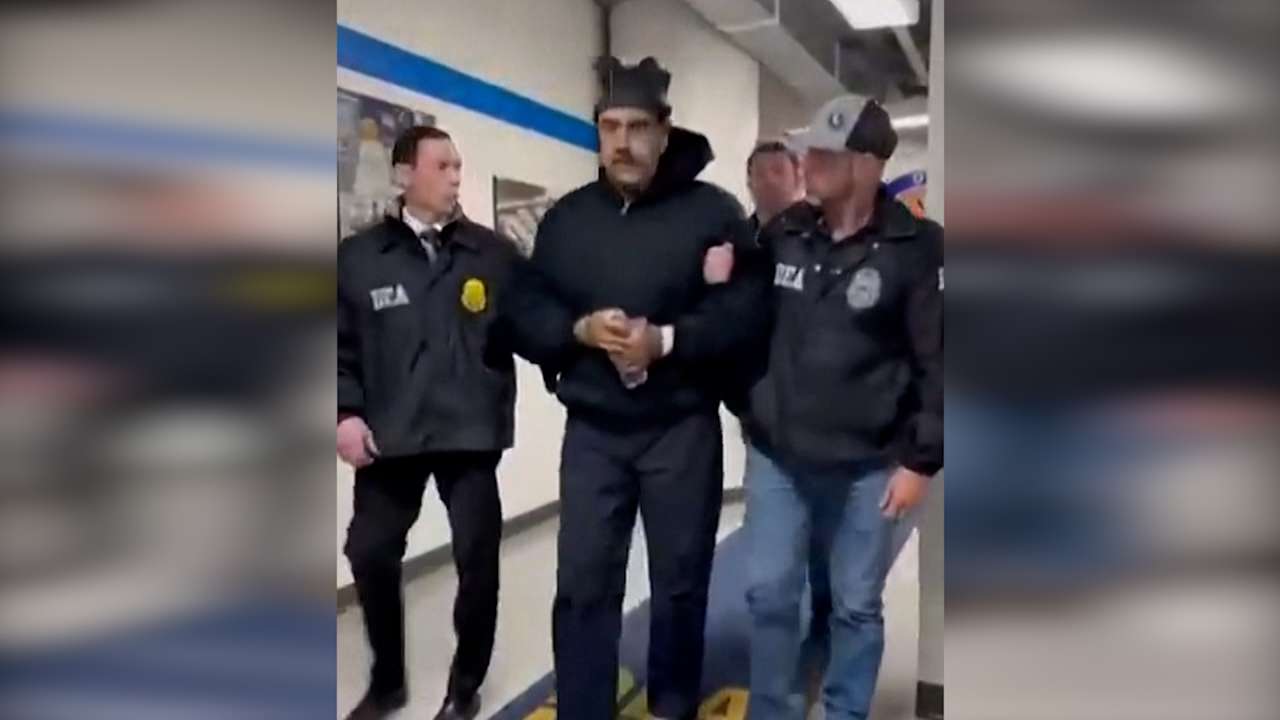
A motorcade carrying ousted Venezuelan leader Nicolás Maduro has been seen leaving the Metropolitan Detention Center in Brooklyn, New York, where he has been held for the last two days on drug and weapons charges.
Maduro and his wife, Cilia Flores, are expected to appear in a New York court later today.
According to US Attorney General Pam Bondi, Maduro faces charges of narco-terrorism conspiracy, cocaine importation conspiracy, possession of machine guns and destructive devices, and conspiracy to possess machine guns and destructive devices against the US.
Maduro will appear for a brief, but required, legal proceeding that will likely kick off a prolonged legal fight over whether he can be put on trial in the US.
As a criminal defendant in the US legal system, Maduro will have the same rights as any other person accused of a crime, including the right to a trial by a jury of regular New Yorkers.
Maduro’s lawyers are expected to contest the legality of his arrest, arguing that he is immune from prosecution as a sovereign head of state.
The footage comes as Trump threatened the new interim president of Venezuela, saying that if she doesn’t cooperate, she could “pay a very big price”.
The president’s comments on Air Force One came after the US launched a military operation into Venezuela over the weekend and seized President Nicolás Maduro and his wife.
Trump told reporters Sunday night that Vice President Delcy Rodriguez is “cooperating” but reiterated the threats that she would have to give the US access to much of her country.

“We need access to the oil and to other things in their country that allow us to rebuild their country,” Trump said.
Rodriguez struck a conciliatory tone on Sunday evening, saying in a Facebook post she wished for “balanced and respectful relations between the United States and Venezuela”, and invited Washington to “collaborate with us on an agenda of cooperation”.
She had previously appealed for Maduro to be immediately released and criticised the US’s military intervention.
On Monday, China reiterated its condemnation of the US’s actions, joining a host of other nations like Brazil and Uruguay that have been critical of the operation.
The Chinese foreign ministry said the US must “cease attempts to subvert the Venezuelan government, and resolve differences through dialogue and negotiations”.
Former Panamanian dictator Manuel Noriegaun successfully tried the same defence after the US captured him in a similar military invasion in 1990.
But the US doesn’t recognise Maduro as Venezuela’s legitimate head of state, particularly after a much-disputed 2024 reelection.
Before his capture, Maduro and his allies claimed US hostility was motivated by lust for Venezuela’s rich oil and mineral resources.
After Maduro was seized, Trump said the US would “run” Venezuela temporarily, but Secretary of State Marco Rubio said on Sunday that it would not govern the country day-to-day, other than enforcing an existing ” oil quarantine”.
Trump suggested on Sunday that he wants to extend American power further in the western hemisphere and took aim at Colombian President Gustavo Petro.
He called Petro “a sick man who likes making cocaine and selling it to the United States. And he’s not going to be doing it very long.”
When responding to a question about whether the US should do a similar military operation in Colombia as it did in Venezuela, the president responded, “sounds good”.
A 25-page indictment made public Saturday accuses Maduro and others of working with drug cartels to facilitate the shipment of thousands of tons of cocaine into the US. They could face life in prison if convicted.
It wasn’t clear as of Sunday whether Maduro had hired a US lawyer yet.
He and his wife, Cilia Flores, have been under US sanctions for years, making it illegal for any American to take money from them without first securing a license from the Treasury Department.
While the indictment against Maduro says Venezuelan officials worked directly with the Tren de Aragua gang, a US intelligence assessment published in April, drawing on input from the intelligence community’s 18 agencies, found no coordination between Tren de Aragua and the Venezuelan government.
Follow STV News on WhatsApp
Scan the QR code on your mobile device for all the latest news from around the country