Israel and Iran have traded fire in retaliatory strikes for the first time since April in a move that threatens to drag the region back into full-scale conflict.
Central and western Iran were hit by Israeli strikes early on Monday morning in response to missiles from Tehran, making it the most serious crossfire since an April 8 ceasefire began.
The sound of explosions could be heard in Isfahan, Karaj, Tabriz and Tehran, and the airspace was closed around Tehran’s Imam Khomeini International Airport, according to Iranian state media.
Israeli authorities then warned that two waves of Iranian missiles were targeting the country, and urged the public to seek shelter.
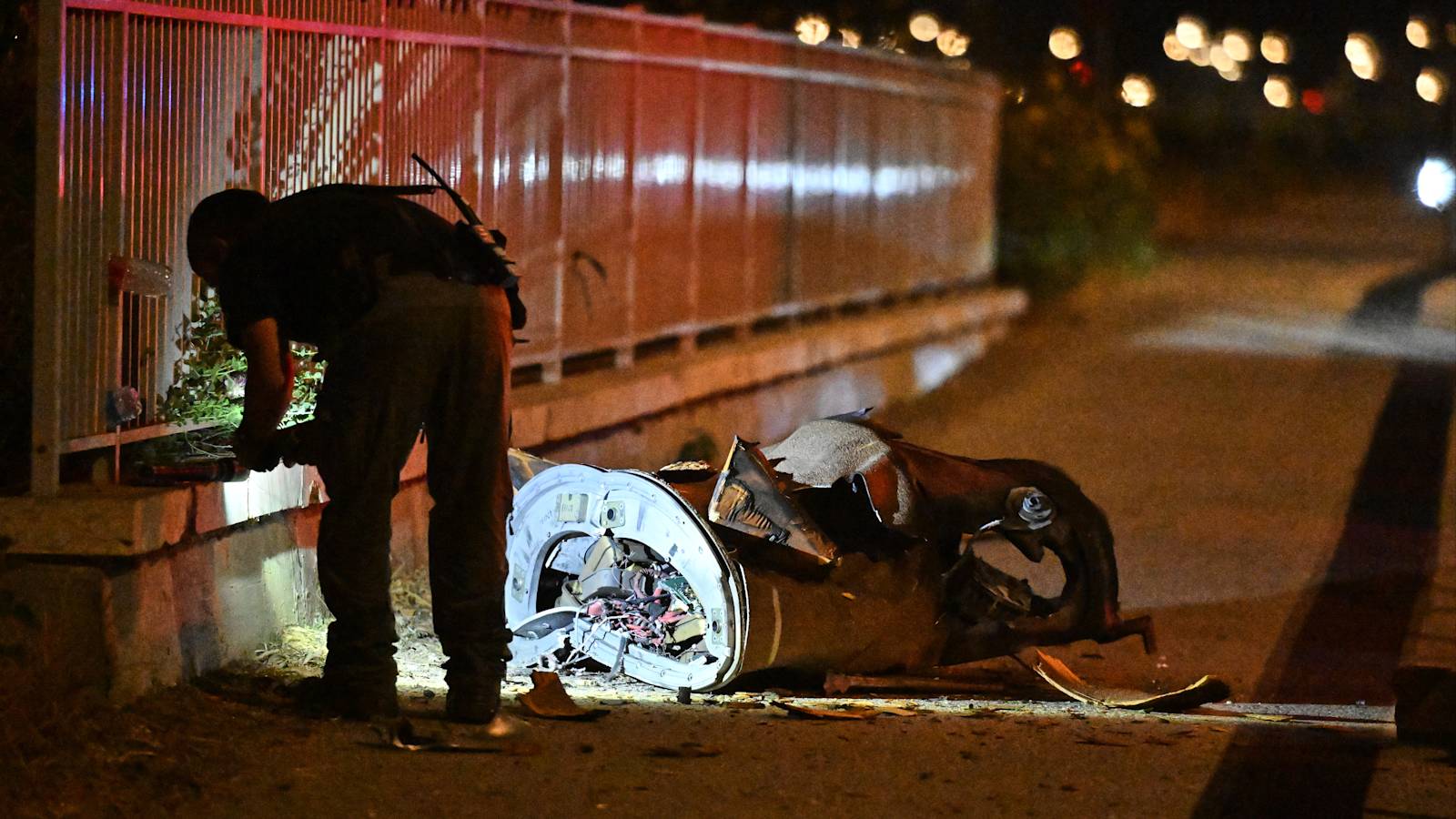
Explosions could be heard in central Israel as the nation’s air defences sought to intercept the incoming fire.
Missile alert sirens were also heard in Saudi Arabia on Monday morning, in an area home to an air base that hosts US forces, but the nation later said the missile danger had passed without elaborating further.

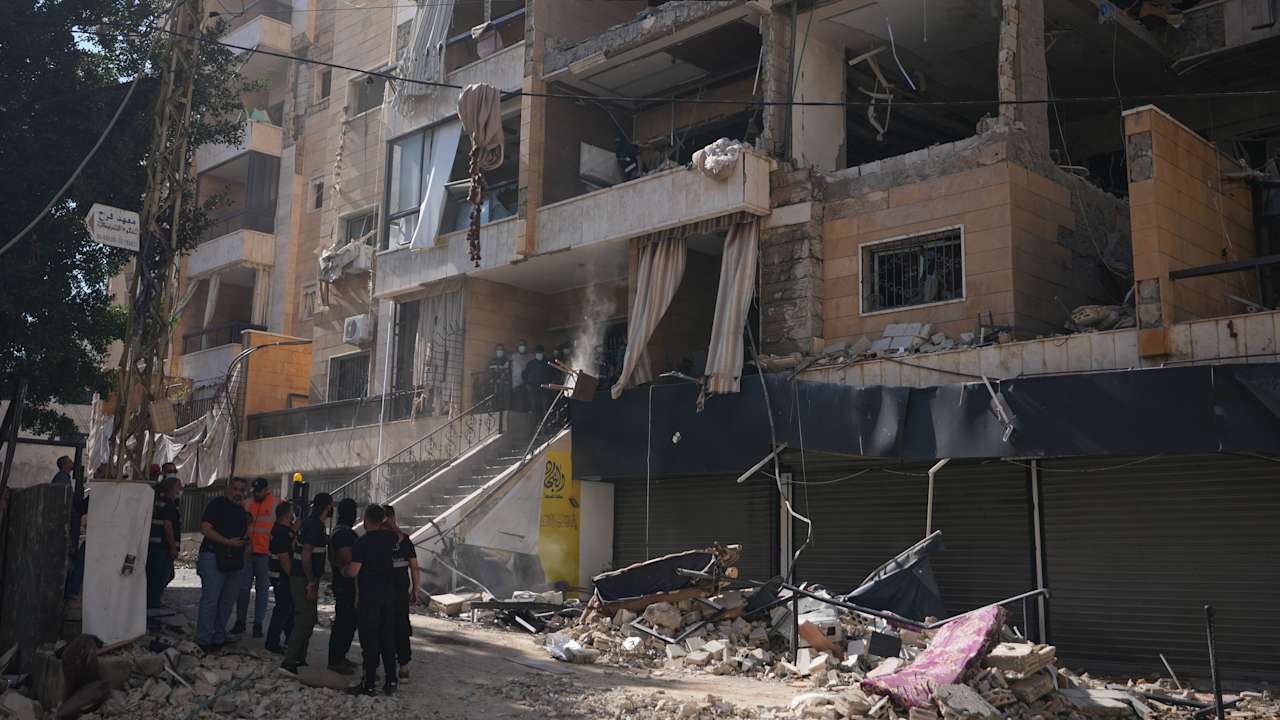
Iran first fired missiles at Israel on Sunday in retaliation for airstrikes on the southern suburbs of Beirut, which killed two people.
Iran had warned that an attack on Beirut would renew full-scale war across the Middle East, despite ongoing talks between Tehran and Washington.
The price of Brent Crude oil, the global benchmark, spiked on Monday morning by more than 4% to $97.39 (£72.97) a barrel.
The White House has not yet commented on the strikes and whether they were done in coordination with the US.
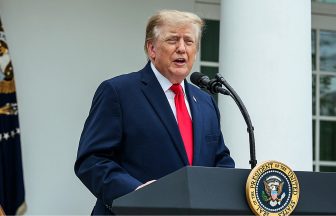
A senior US official on Sunday said president Donald Trump had called Israeli Prime Minister Benjamin Netanyahu to urge him not to retaliate immediately for the Iranian missile attack.
The official, who spoke on condition of anonymity to describe the private phone call, said Trump believed he had convinced Netanyahu to wait.
The US president told Iran, “you’ve shot your missiles, that’s enough” when asked about the nation’s attack on Israel by Fox News.
Trump had previously told NBC’s “Meet the Press” that a US deal with Iran remained “very close”, in an interview filmed Friday and aired Sunday.
Follow STV News on WhatsApp
Scan the QR code on your mobile device for all the latest news from around the country