There are reports that those who have been arrested protesting could face the death penalty with the first execution believed to be taking place today, as Good Morning Britain’s Hannah Kings explains
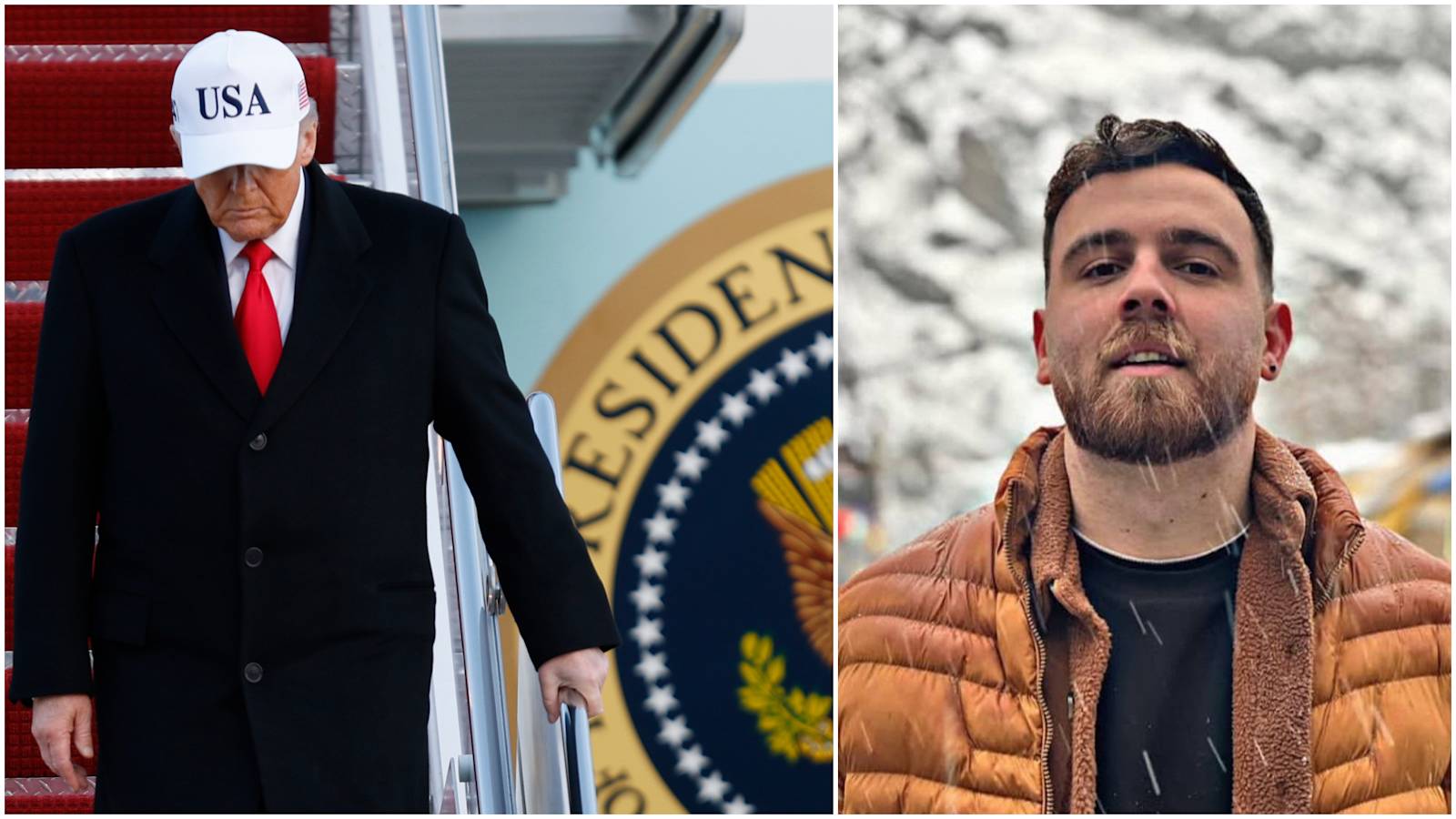
US President Donald Trump has warned he will take “very strong action” if protesters who participated in anti-government demonstrations are executed in Iran.
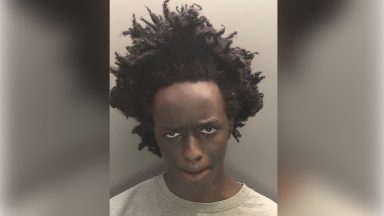
It comes as Iran is reportedly preparing to execute 26-year-old Erfan Soltani, who was found guilty of taking part in the protests, according to the Human rights group Hengaw.
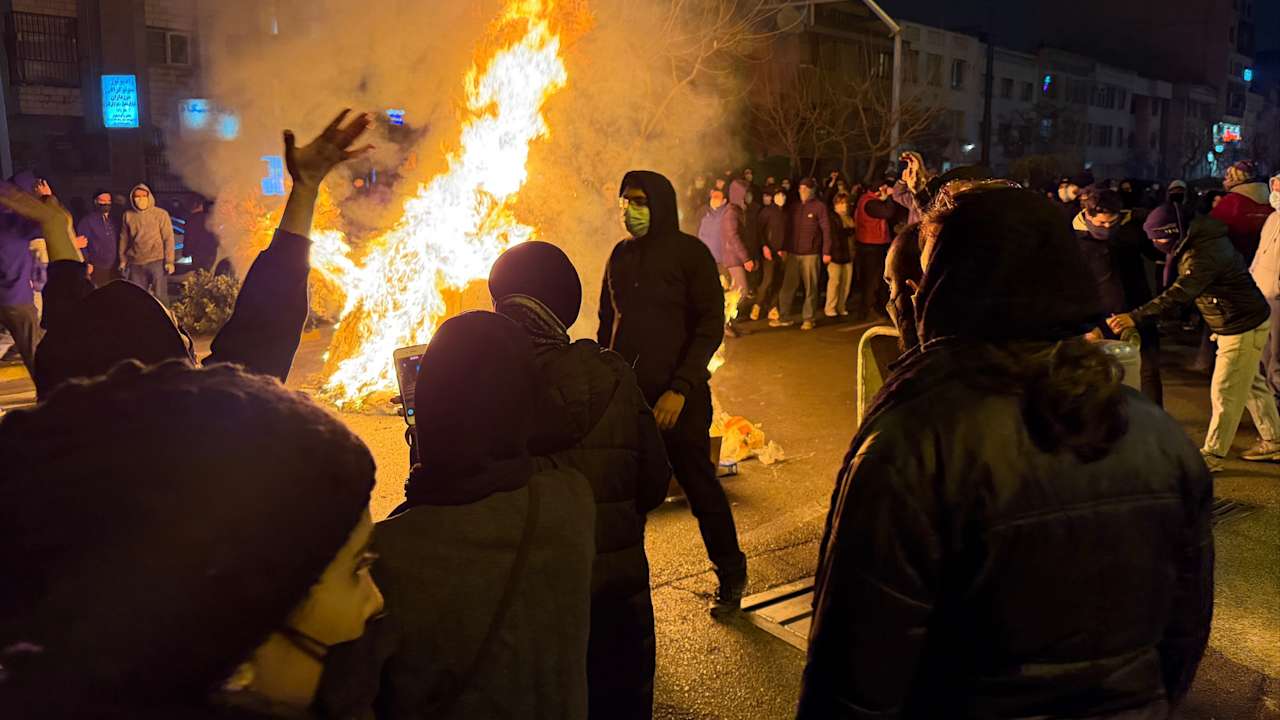
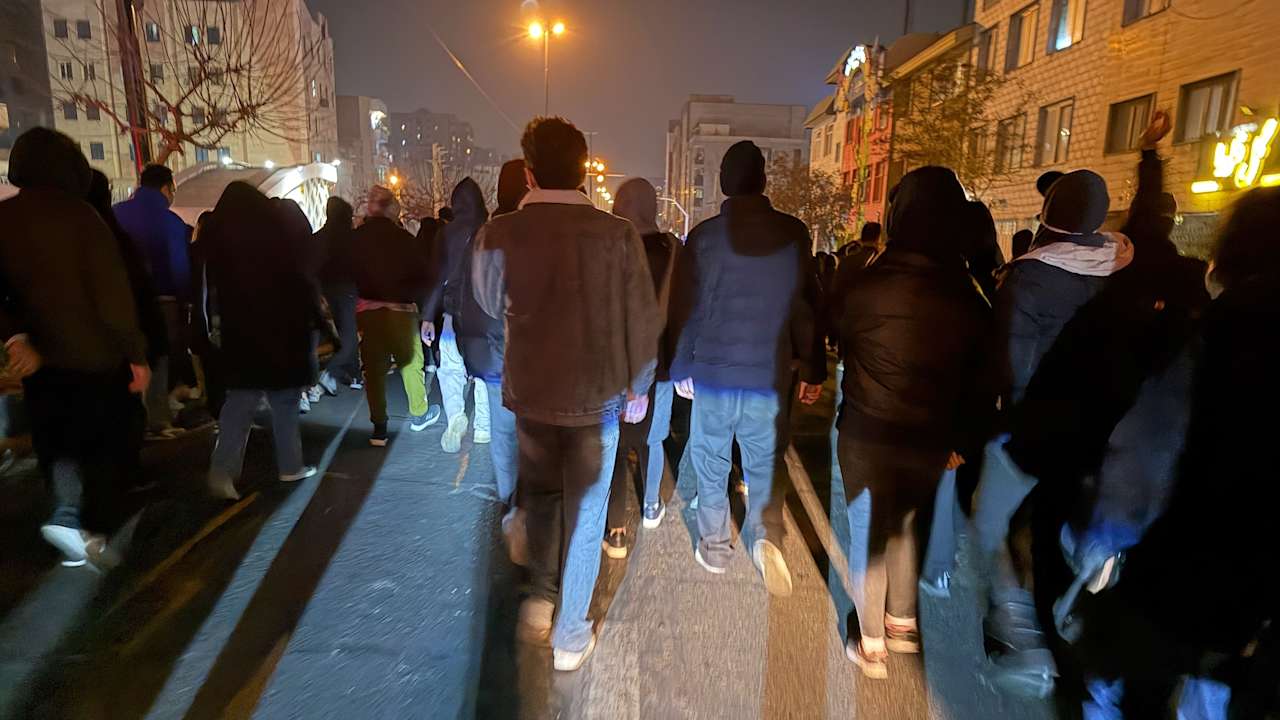
Widespread protests against Iran’s ruling regime, which began on December 28, have been met with a harsh government crackdown that activists say has left more than 2,500 people dead.
Activists confirmed on Wednesday that at least 2,571 people had been killed during the ongoing protests. The actual number is likely to be far higher.
Soltani’s family were informed a death sentence had been passed days after his arrest, according to Hengaw, which also said the case constitutes a “clear violation of human rights law.”
A source close to the Soltani family told Hengaw that officials informed them the death sentence is final and will be carried out on Wednesday.
The family has reportedly been granted only a brief opportunity for a final visit before the execution.
Told about the possible execution during an interview with CBS, Trump threatened to “take very strong action.”
“If they want to have protests, that’s one thing, when they start killing thousands of people, and now you’re telling me about hanging — we’ll see how that works out for them.
“It’s not going to work out good.”
His comments to CBS Evening News followed a social media post in which the US president said he had “cancelled all meetings” with Iranian officials, in response to the country’s severe crackdown on anti-government protests.
In an apparent direct challenge to Trump, Iran’s judiciary chief Gholamhossein Mohseni-Ejei said: “If we want to do a job, we should do it now. If we want to do something, we have to do it quickly.”
He made the comments in a video shared by Iranian state television online on Wednesday morning.
He added: “If it becomes late, two months, three months later, it doesn’t have the same effect. If we want to do something, we have to do that fast.”
Also speaking to reporters on Tuesday, Trump said “Iran was on my mind”, adding that the US will “act accordingly” once they have “accurate” figures of the number of people killed.
He said: “We’ll get some accurate numbers as to what’s happening with regards to the killing.
“The killing looks like it’s significant, but we don’t know yet for certain. I’ll know within 20 minutes. So and we’ll act accordingly.”
When asked how he knows US airstrikes, if it comes to that, will protest protesters, Trump said: “Well, you never know, do you? You never know. So far my track record has been excellent, but you never know.”
Trump and his national security team have been reportedly weighing a range of potential responses against Iran, including cyberattacks and direct strikes by the US or Israel.
Iran, through the country’s parliamentary speaker, warned on Sunday that the US military and Israel would be “legitimate targets” if Washington uses force against them.
However, the US president has previously said that Iran was “ready to negotiate” with Washington.
Meanwhile, on Tuesday, Foreign Secretary Yvette Cooper announced plans for further sanctions against Iran targeting finance, energy, transport, software and other significant industries.
She has also summoned the Iranian ambassador over the protests.
After days of an internet blackout, some restrictions appear to have been eased on Tuesday, with people able to make international phone calls on Tuesday, though internet access and text messaging remain unavailable.
With some communications restored, witnesses in Tehran were able to tell the Associated Press that there was a heavy security presence in the city, which had increased over the four-and-a-half days since being cut off from the outside world.
They said anti-riot police officers, wearing helmets and body armour, carried batons, shields, shotguns and tear gas launchers. Nearby, the witnesses saw members of the Revolutionary Guard’s all-volunteer Basij force, who similarly carried firearms and batons.
Several banks and government offices were burned down, and ATMs had been smashed as banks struggled to complete transactions without the internet.
The demonstrations began over the collapse of the Iranian rial currency, which trades at more than 1.4 million to $1, as Iran’s economy is squeezed by international sanctions, in part levied over its nuclear program.
The protests intensified and grew into calls directly challenging Iran’s theocracy.
Follow STV News on WhatsApp
Scan the QR code on your mobile device for all the latest news from around the country