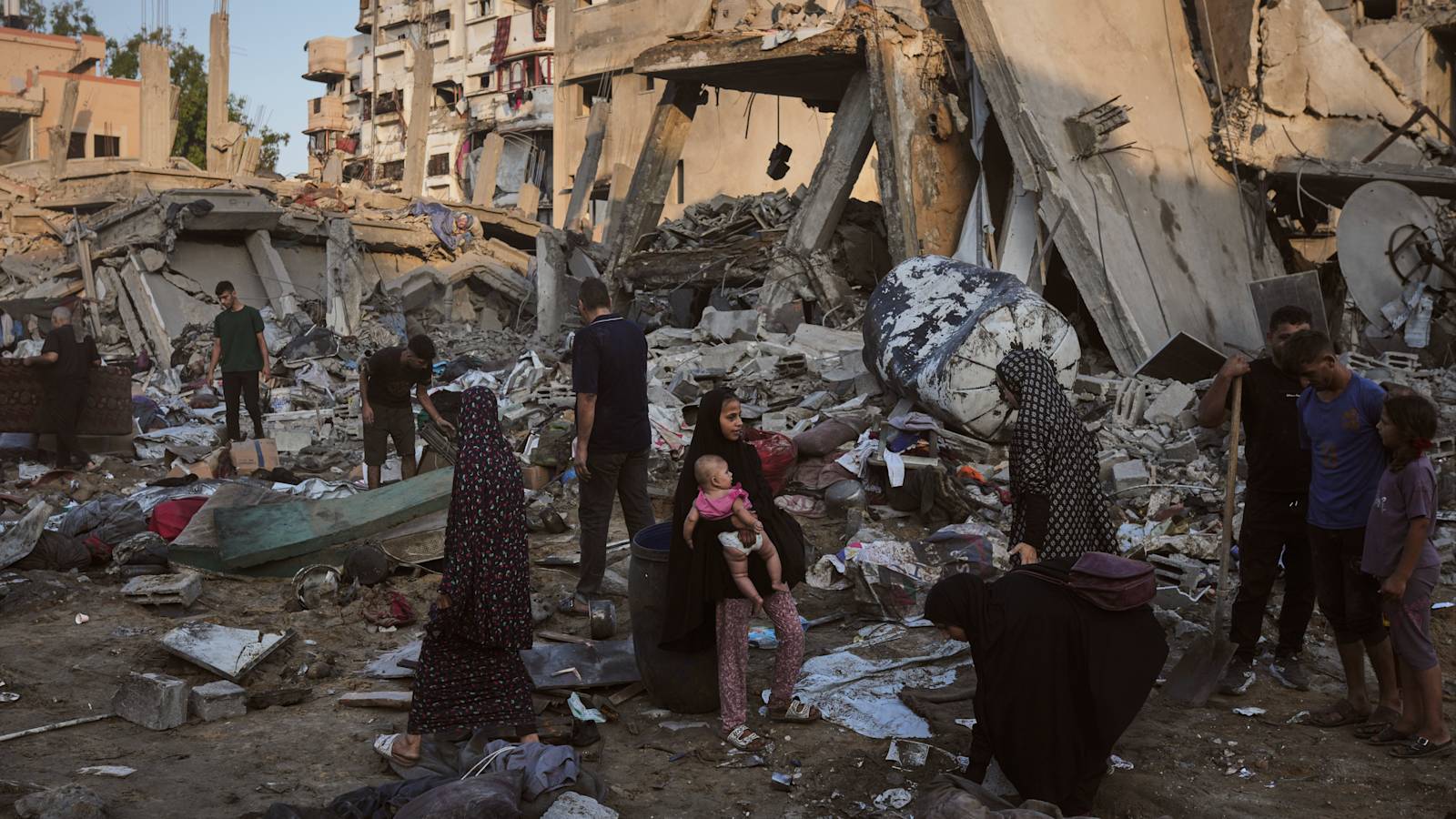
Hamas said on Friday it has reached an agreement to disarm as part of a ceasefire road map that could bring about the end of the war in Gaza.
The group said its disarmament was conditional on Israel also making concessions, including ending hostilities and withdrawing its troops from the Palestinian territory.
Senior Hamas official Bassem Naim confirmed in a post on X that the group agreed to the deal “following a fierce negotiation battle”. He added that the ball is now in Israel’s court to “fulfil its obligations according to the agreement”.
Israel has not commented on the deal, which US President Donald Trump announced late on Thursday.
Despite Trump’s announcement, significant hurdles, conditions and lengthy timelines remain before the war in Gaza could come to an end.
“The agreement will be carried out in carefully structured phases,” Trump said on social media.
“As disarmament is completed, Israeli forces will withdraw, and the International Stabilisation Force will work with a new Palestinian police force to take responsibility for Gaza being safe for its residents and its neighbours.”
The Board of Peace hailed the agreement as a “historic breakthrough” and said that Hamas has agreed to a “detailed roadmap for implementing the next phases of the Gaza ceasefire”.
In a statement on Thursday, an Israeli official said that there will be no Israeli withdrawal from the areas it holds in Gaza — which account for about 60% of the territory — before the militant group is disarmed and the strip demilitarised. The statement was made on condition of anonymity in line with government protocol.
A person with knowledge of the situation said that Israel is fully involved, but it’s not a signatory to the deal, which is between Hamas and several countries helping to negotiate and guarantee the ceasefire.
In a statement on social media following the announcement, the Board of Peace’s director-general, Nickolay Mladenov, said it had taken “months of very difficult negotiations to get here”.
He also admitted “there were several points when I did not believe we would make it”, adding that implementation and verification “have to be real” and that “withdrawal must move in lockstep with decommissioning”.
The White House announcement comes nine months after a US-brokered ceasefire was signed.
Negotiations between Israel and Hamas had largely slowed over the implementation of the agreement’s second phase, including the disarmament of Hamas, the withdrawal of Israeli forces and the reconstruction of Gaza.
Trump’s 20-point ceasefire plan calls for Hamas to surrender its weapons and dismantle its extensive network of tunnels.
The proposal also pictures Israeli forces withdrawing from Gaza, the installation of a technocratic Palestinian government, the deployment of an international security force and the reconstruction of the war-ravaged territory.
US and Board of Peace officials, speaking on condition of anonymity under White House ground rules, gave a hopeful assessment of the proposal, describing a framework similar to that outlined by Trump and his senior aides when the Board of Peace was established to oversee the Gaza ceasefire.
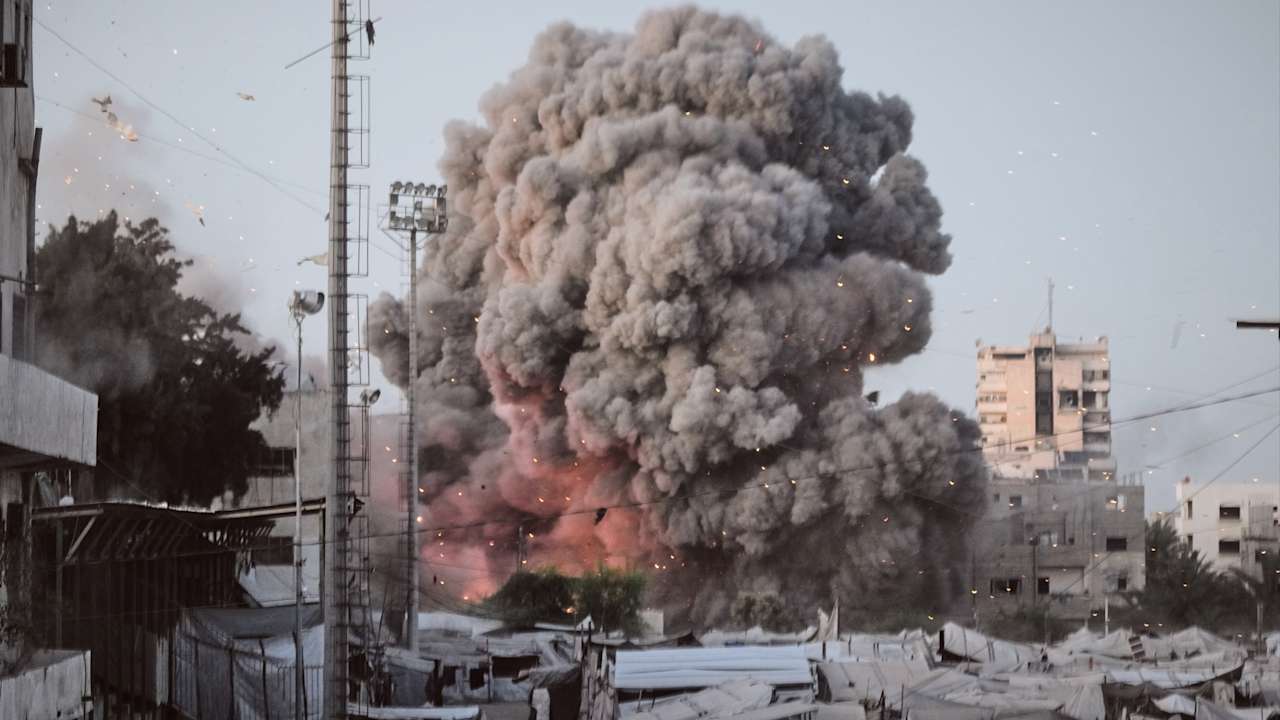
The officials could not provide a specific timetable for the disarmament of Hamas or other armed groups operating in Gaza, including Palestinian Islamic Jihad.
However, they said Gaza’s police force would hand over its weapons to the Board of Peace-backed technocratic administration within the next two weeks.
They also noted that the Gaza police force does not include the vast majority of Hamas fighters, and that heavy weapons are not covered by this stage of the agreement.
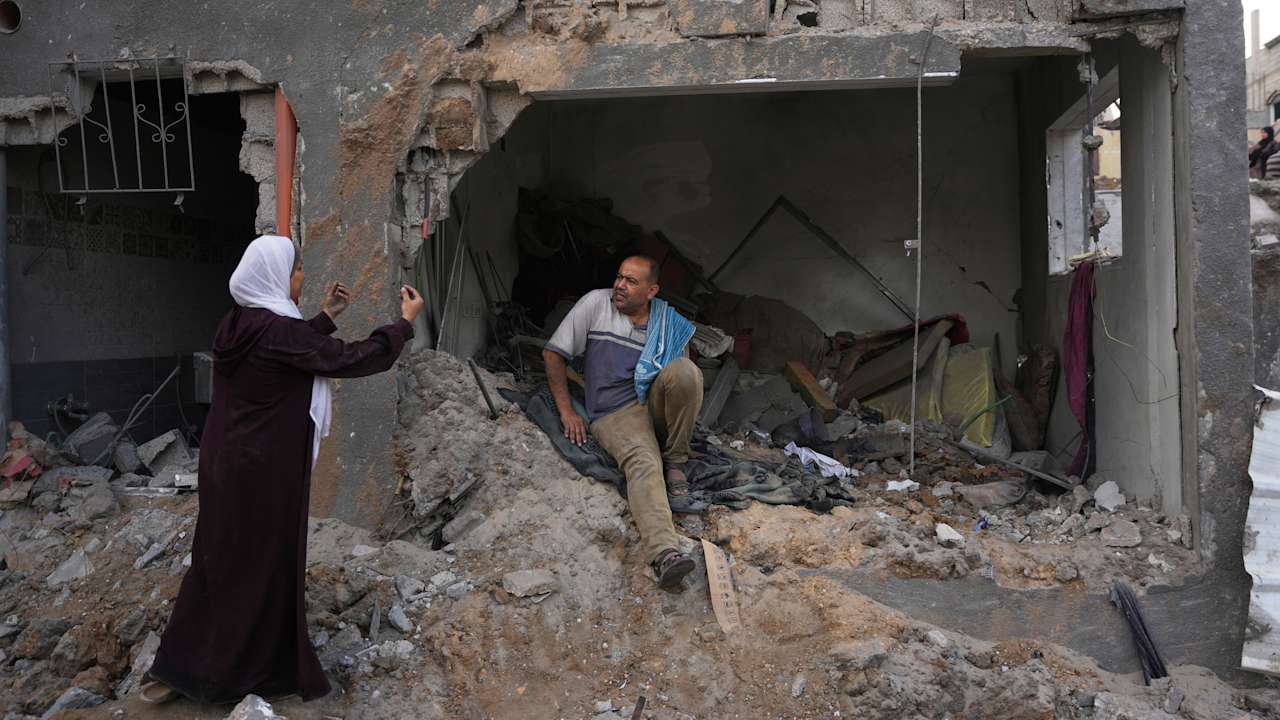
Instead, the surrender of heavy weaponry and the dismantling of Hamas’s tunnels and other military infrastructure would take place later in a process expected to last between 200 and 350 days, according to a Board of Peace official.
A US official said Israel, which has long been sceptical about Hamas’ willingness to disarm or relinquish its influence over Gaza, had been consulted throughout the negotiations.
The official added that Israel was not being asked to do anything beyond the commitments it had already made under Trump’s 20-point plan, namely withdrawing its forces from Gaza and ending airstrikes on the territory.
They said that Trump would be “very, very disappointed” if Israel did not honour the agreement.
Trump met Israeli Prime Minister Benjamin Netanyahu at the White House on Tuesday, although neither disclosed details of their first face-to-face talks since the conflict with Iran began.
Israel’s mission to the United Nations declined to comment on the proposed agreement.
Hamas had previously insisted that the first phase of the ceasefire be fully implemented before any disarmament talks.
The group’s founding charter calls for armed resistance against Israel, and it has been reluctant to surrender an arsenal of rockets, anti-tank missiles and explosives that forms a central part of its military capability.
Hamas announced earlier this month, however, that it had dissolved its government in Gaza and was preparing to transfer power to a technical committee backed by the United Nations as part of the ceasefire deal.
Follow STV News on WhatsApp
Scan the QR code on your mobile device for all the latest news from around the country