
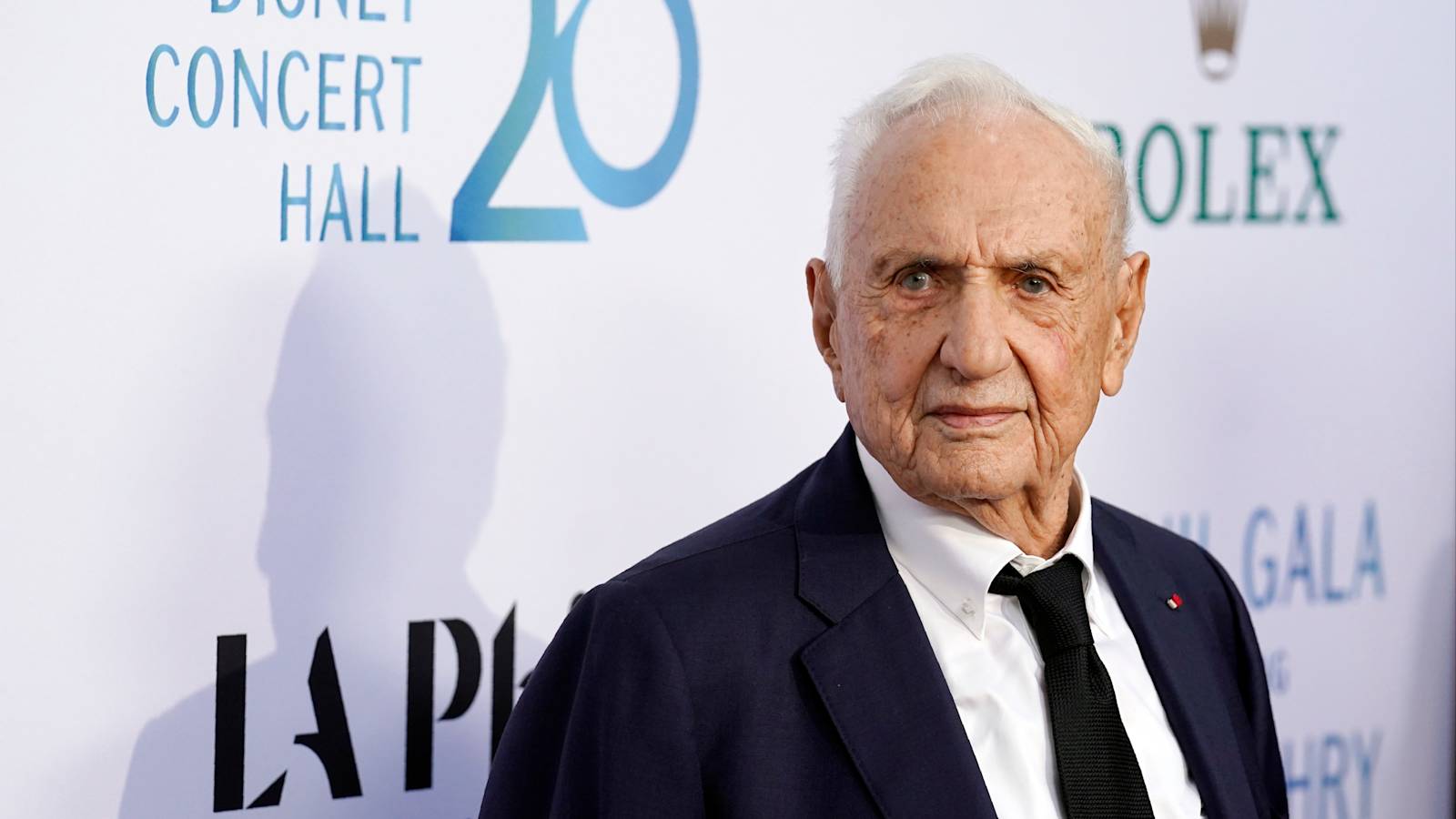
Canadian-American architect Frank Gehry, one of the most famous names in the world of architecture, has died aged 96.
Gehry died on Friday morning in Santa Monica, his chief of staff, Meaghan Lloyd, said.
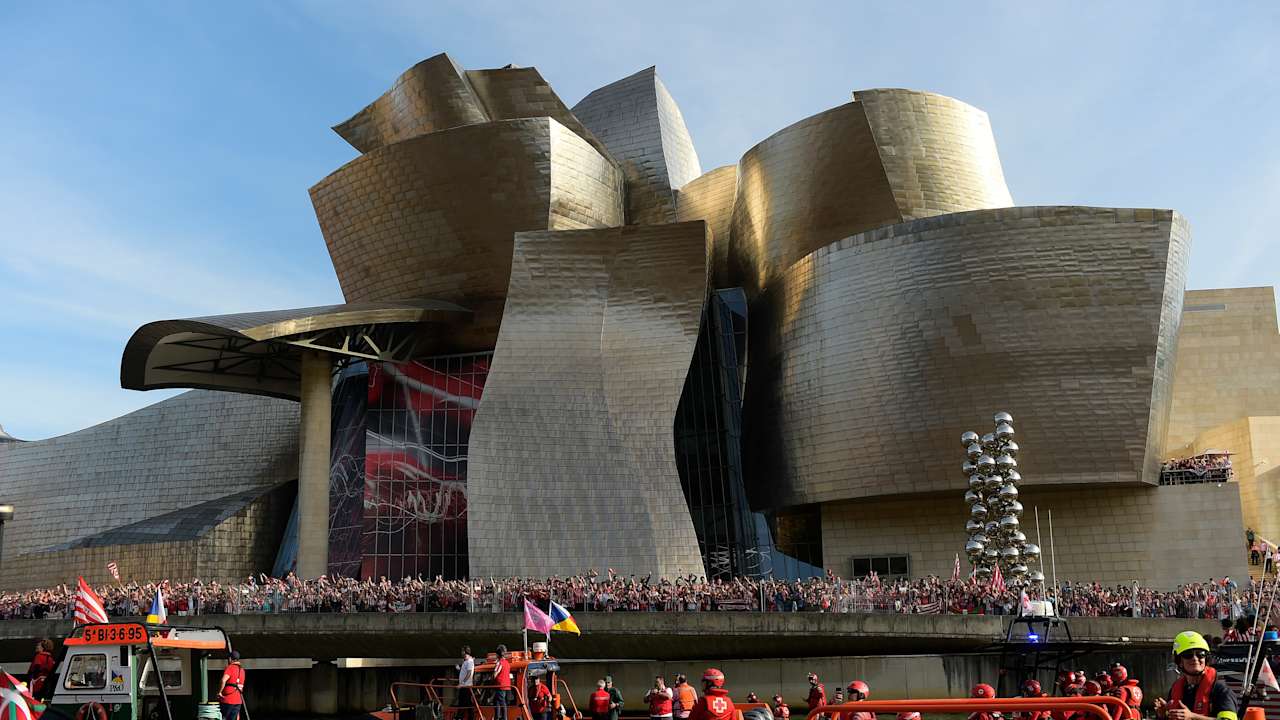
The award-winning architect was known for his imaginative designs. His masterpieces include the Guggenheim Museum in Bilbao, the Walt Disney Concert Hall in Los Angeles and Berlin’s DZ Bank Building.
He also designed an expansion of Facebook’s Northern California headquarters at the insistence of the company’s CEO, Mark Zuckerberg.
Born on February 28 1929, in Toronto, Gehry moved to Los Angeles in 1947 with his family before he completed his Bachelor of Architecture degree at the University of Southern California.
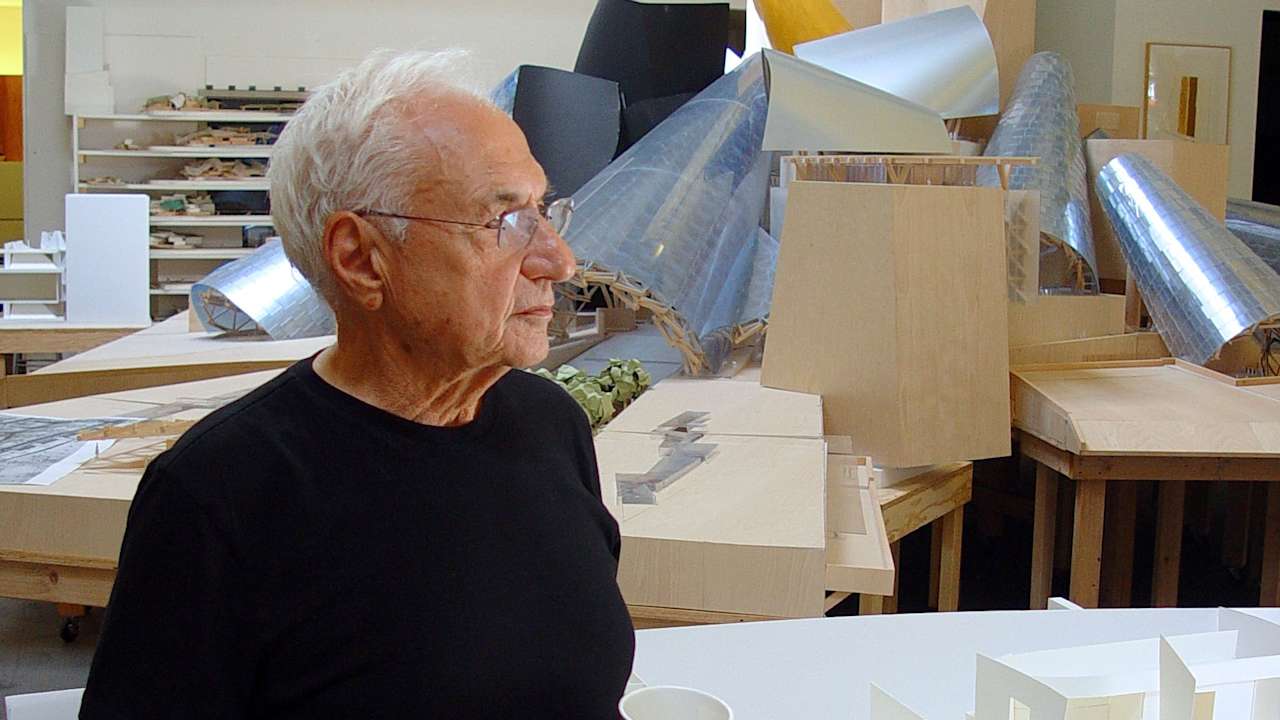
His career spanned more than six decades with designs of both public and private buildings around the world.
Incorporating distorted and fragmented shapes and materials, his work consistently placed a focus on the surrounding environment, ensuring it complemented the wider context and culture.
Over the course of his career, he was awarded a range of prizes, including some of the highest honours in the industry, such as the Pritzker Architecture Prize in 1989 and, later the distinguished Gold Medal for Architecture from the Royal Institute of British Architects (RIBA) in 2000.

Gehry’s work and influence were also recognised by governments and institutions around the world.
In 2003 Gehry was designated a Companion to the Order of Canada and was also inducted into the European Academy of Sciences and Arts by the European Union.
Three years later, he was given the distinction of Chevalier and in 2014 was elevated to the rank of Commandeur of the National Order of the Legion of Honour, which is the highest honour in France for military and civil merits.
In 2016, he was awarded the Presidential Medal of Freedom from US President Barack Obama.
After earning a degree in architecture from the University of Southern California in 1954 and serving in the Army, Gehry studied urban planning at Harvard University.
He struggled for years to make ends meet, designing public housing projects, shopping centres, and even working as a delivery driver for a time.
He eventually designed a modern shopping mall overlooking the Santa Monica Pier. He was determined to play it safe and came up with drawings for an enclosed shopping mall that looked similar to others in the United States in the 1980s.
To celebrate its completion, the mall’s developer visited Gehry’s house and was stunned by what he saw: The architect had transformed a modest 1920s-era bungalow into an inventive abode by remodelling it with chain-link fencing, exposed wood and corrugated metal.
Asked why he hadn’t proposed something similar for the mall, Gehry replied, “Because I have to make a living.”
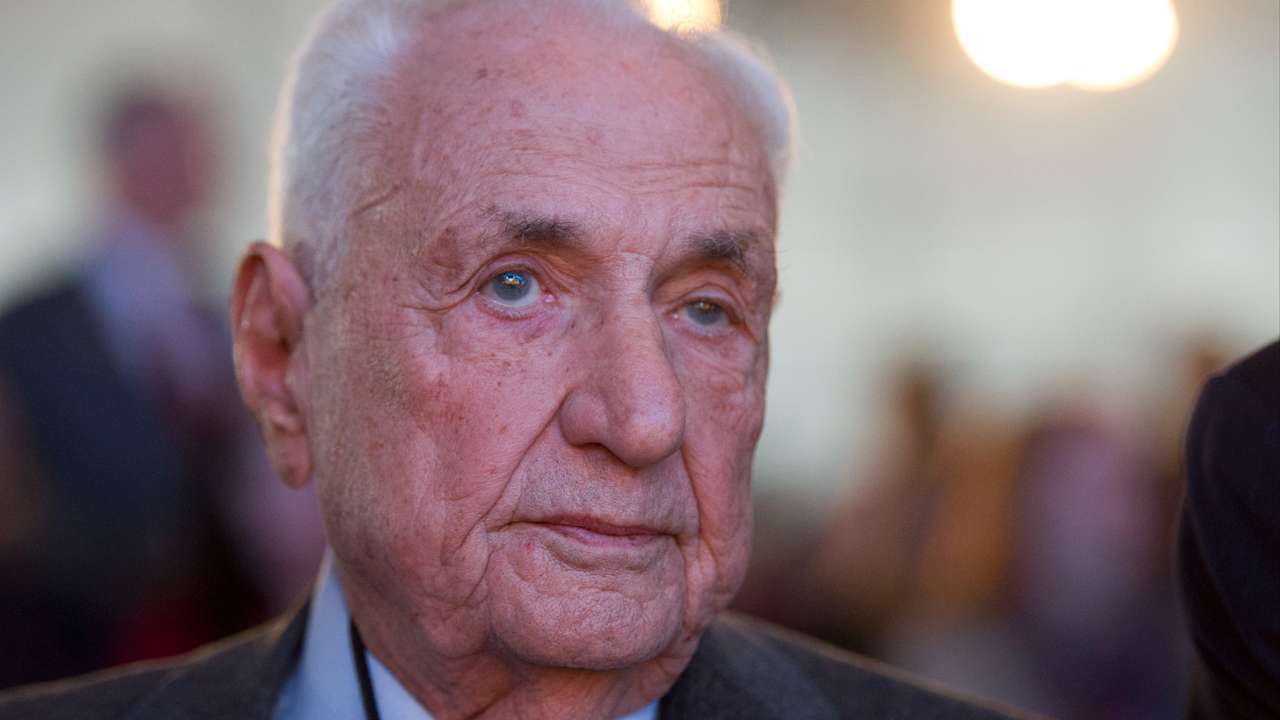
As his acclaim grew, Gehry Partners LLP, the architectural firm he founded in 1962, grew with it, expanding to include more than 130 employees at one point. Gehry insisted on personally overseeing every project it took on.
The headquarters of the InterActiveCorp, known as the IAC Building, took the shape of a shimmering beehive when it was completed in New York City’s Chelsea district in 2007. The 76-story New York By Gehry building was once one of the world’s tallest residential structures when it opened in 2011.
That same year, Gehry joined the faculty of his alma mater, the University of Southern California, as a professor of architecture. He also taught at Yale and Columbia University.

The Gehry-designed Guggenheim Museum in Abu Dhabi, first proposed in 2006, is expected to finally be completed in 2026 after a series of construction delays and sporadic work. The 30,000-square-foot (2,787-square-meter) structure will be the world’s largest Guggenheim, leaving a lasting legacy in the capital city of the United Arab Emirates.
He is survived by his wife, Berta; daughter, Brina; and sons Alejandro and Samuel.
His daughter, Leslie Gehry Brenner, died of cancer in 2008.
Follow STV News on WhatsApp
Scan the QR code on your mobile device for all the latest news from around the country