Reporting by ITV News Social Affairs Correspondent Sarah Corker and ITV News Social Affairs Producer Lottie Kilraine
WARNING: This article contains distressing content.
“It was a death by neglect and cruelty. There wasn’t a teaspoon of love in that place.”
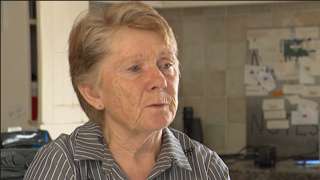
Annette McKay is searching for her lost sister. Mary Margaret was born in the now notorious Catholic-run mother and baby home in Tuam, County Galway, Ireland, in the 1940s.
She died aged just six months old from whooping cough and heart failure – then all trace of her vanished.
The Galway town is now at the centre of a sinister discovery that has shocked the world; for decades the remains of hundreds of dead babies and children from St. Mary’s home for unmarried mothers were put in a disused sewage tank.
A mass grave for 796 infants, denied even the most basic level of dignity in life and death.
Annette, who lives in Bury in Greater Manchester, believes her sister is among the 796.
“They were just ghost children. There are no photos, no evidence of what they looked like, or who comforted them. Nothing,” Annette said.
“They were treated like trash. All I have of my sister is a death certificate.”
“Tell us why that poor little girl and lots of little girls had to suffer like that. We had to go begging and pleading for answers. I just want to know the truth,” she told ITV News.
After years of campaigning, Annette said she will not give up until “somebody is held accountable.”
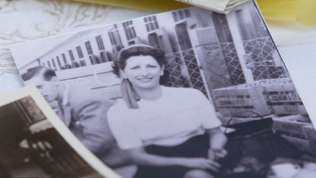
Annette’s mother, Maggie O’Connor, was sent to Tuam in 1943 as a pregnant 17-year-old after she was raped.
She was separated from her baby shortly after birth and forced to carry out unpaid labour.
Six months later, she was told by a nun that “your child of sin is dead” and denied a funeral or proper burial for her baby.
The horrors of Tuam never left her, and she died in 2016 never knowing what happened to her daughter.
The Tuam institution was run by an order of nuns, the Bon Secours Sisters, and owned by Galway County Council, from 1925 until 1961.
Death records suggest on average two babies a week were dying there, many due to malnutrition and treatable illnesses.
The institution was part of a network of so-called homes across Ireland where pregnant, unmarried women were sent to give birth in secret for much of the 20th century, and then forcibly separated from their children.
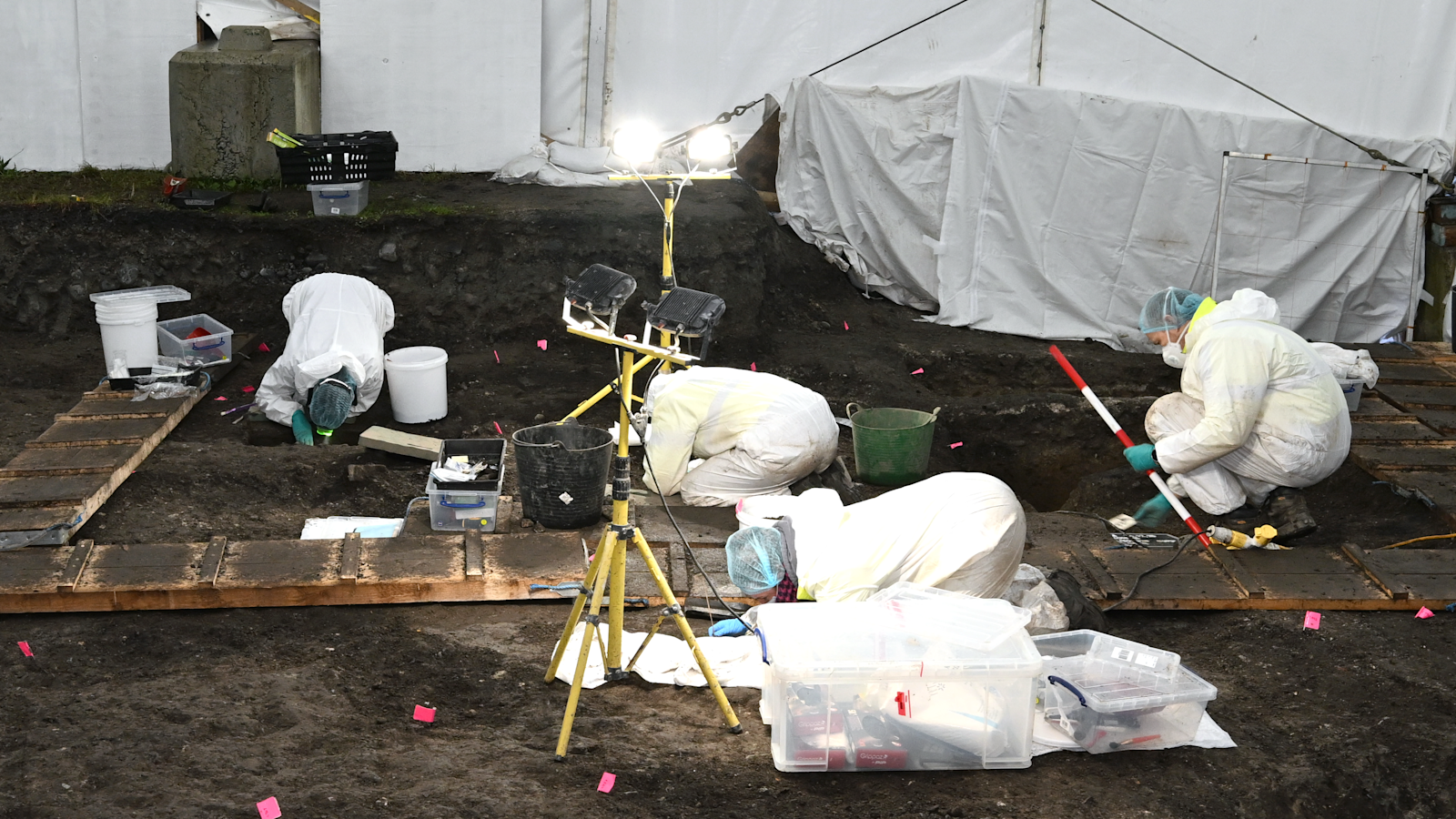
A forensic excavation of Tuam’s mass grave is underway to try to identify how and why so many children died there.
The team of investigators is being led by Daniel MacSweeney, a forensics expert who previously worked for the International Committee of the Red Cross in Iraq, Afghanistan and Yemen.
He said the goal is to give a respectful burial to all the remains.
Speaking on Wednesday, experts involved in the excavation said the remains of 99 infants have now been discovered in a concentrated area, describing it as a “hugely significant development”.
They were found in coffins on a section of the land where excavations are continuing.
Dr Niamh McCullagh, Senior Forensic consultant, told ITV News: “To find such a high number this early in the excavation of this space specifically, indicates to us there are more in the area.
“It’s significant that we have found what appears to be a burial ground and that the remains are so concentrated in that space, and we expect to find more.”
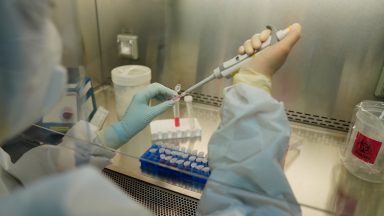
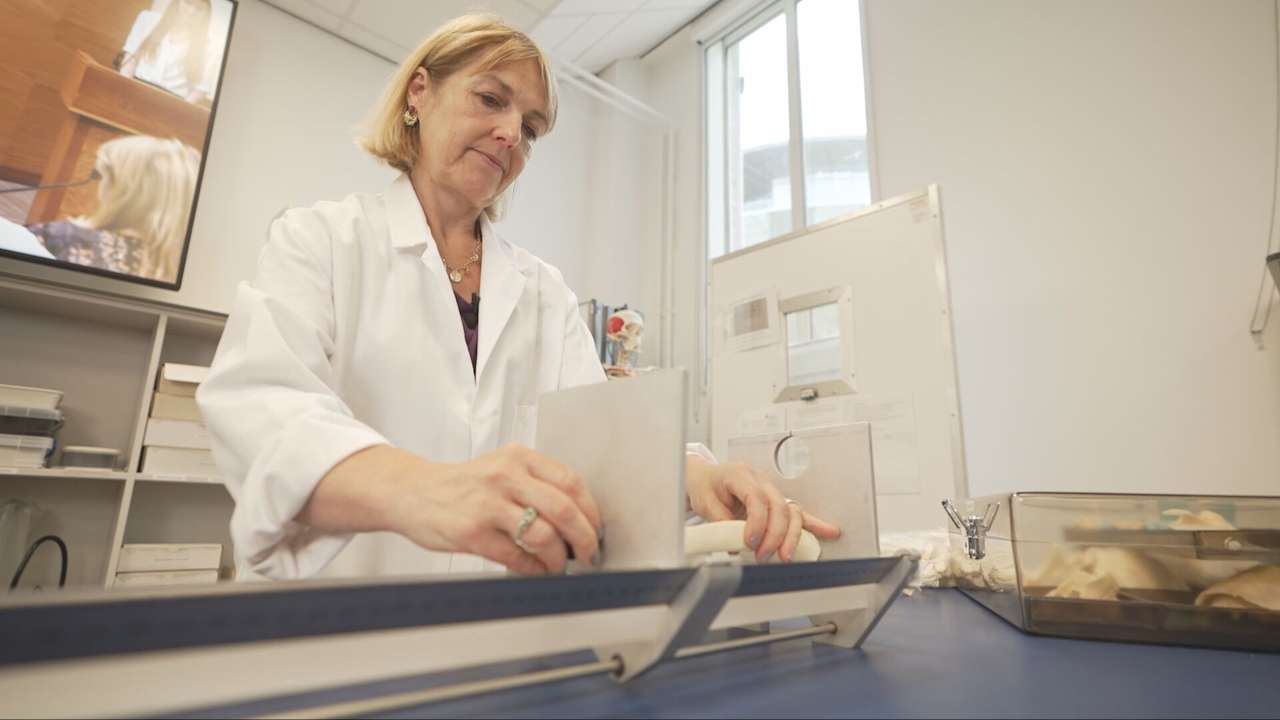
All of the bones recovered will be taken to a new forensic laboratory at Toghermore, in Tuam, where the identification process will begin.
There has been a public appeal to anyone who suspects a family member may have died in the Tuam institution to come forward to provide DNA to help identify the children and match them with any living relatives.
So far 62 families have come forward.
It was only due to the painstaking work of a local historian, Catherine Corless, that the truth came to light.
In 2014 she uncovered the death certificates of 796 children from the Tuam institution, but there were no burial records or graves. They ranged from newborns to four-year-olds.
“I couldn’t believe it, at the time the authorities were trying to prevent me from putting out the information, they didn’t believe it,” Catherine said.
“But the number, 796 babies missing was enough to give me the energy to keep in fighting, and not give up.”
Catherine’s research indicated that the children were buried on the site of the home in an underground disused sewage tank.
The government and church tried to dismiss her work, but eventually, preliminary tests found significant quantities of human remains at the site.
The findings sent shockwaves across Ireland, but it took another decade for plans for the site’s excavation to be finalised, despite years of campaigning by survivors and their families.
The exhumation process finally began in August 2025.
“That’s what I set out to do, to get the babies out of a sewage system, for people to realise how horrific it was to do that to illegitimate children, and I still believe it’s because they were illegitimate” Catherine said.
She believes the children died of neglect and that the nuns didn’t think they were worth saving.
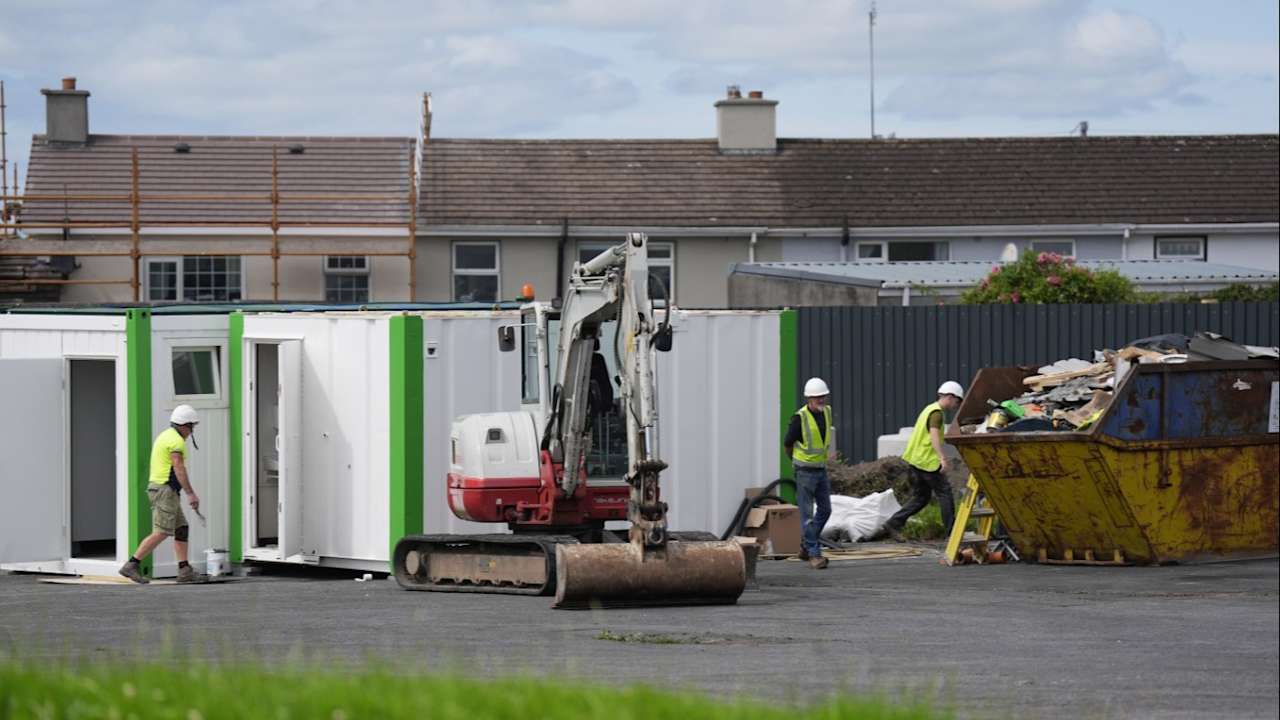
The excavation process is on a scale and level of complexity not seen before.
A world-leading team at Durham University, specialising in the recovery of infant remains, is training and advising those excavating the Tuam site.
Professor Becky Gowland explained how the investigation had to be meticulous in its approach.
“When you’re excavating a site, you’re essentially destroying the site as you go along, so you only get one chance to do it right,” she said.
“We’re doing everything we can to bring justice to the babies and the families involved.”
Analysis of the remains may also be able to explain how the children died, and what the conditions were like in the home at the time.
“There’s going to be anthropological analysis to create a profile of each person. So how old they were when they died, whether they were a boy or a girl. Is there any evidence of malnutrition, any evidence of neglect or abuse? We know that mortality was quite high in these homes,” she continued.
“This form of evidence allows the children, in a way, to tell their stories. They were so disempowered and marginalised within these homes, and is a way their bodies can, can provide a form of testimony.”
Annette says she won’t rest until her sister is buried alongside her mother close to their home in Greater Manchester.
“They should have been treated with decency and respect. So I want Mary Margaret returned to my mother. I don’t think that’s too much to ask,” she said.
She added that her fight for justice is still only getting started.
“I always believe Ireland is not ready to listen. They’re not ready to listen to what they did to their children. They’re not ready to listen to what they did to the women,” Annette continued.
The Bon Secour Sisters who ran the Tuam institution have previously admitted that it had played a role in a “sorrowful” chapter of Irish history and said: “We did not live up to our Christianity.”
It has contributed £2.14 million to the cost of the excavation.
Galway County Council also apologised in 2021 for “failing mothers and children”.
In 2021, Taoiseach Micheál Martin formally apologised on behalf of the Irish State to survivors of Mother and Baby Homes across Ireland.
The historic apology followed a government-commissioned report detailing a brutally oppressive culture and an infant mortality rate of approximately 15% across these institutions.
Although there has been an inquiry, a criminal investigation has never been opened.
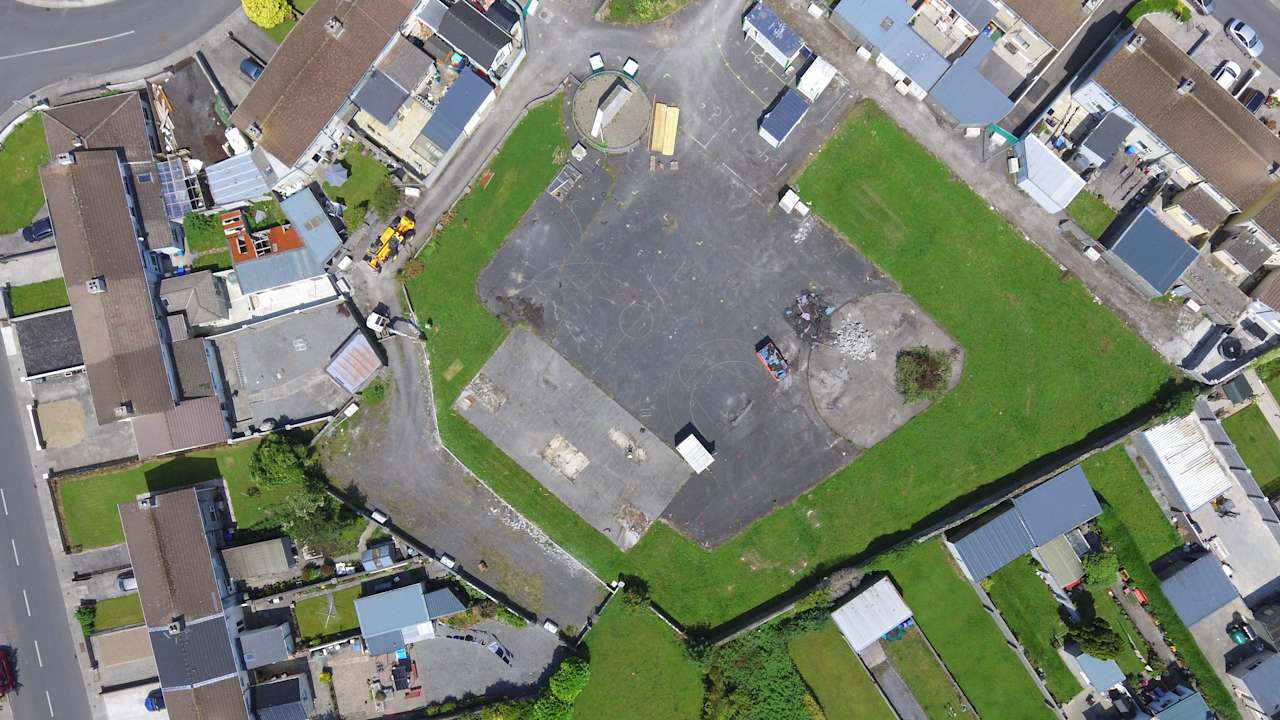
The building of the former home was demolished after it closed, and the site is now situated in the middle of a housing estate. The excavation is expected to continue well into 2027, with analysis work likely to carry on for several years after that.
Follow STV News on WhatsApp
Scan the QR code on your mobile device for all the latest news from around the country