ITV News Consumer Editor Chris Choi explains what the latest price cap means for average households
Energy bills will rise by more than £200 a year for the average household from July, after the energy price cap was increased on Wednesday morning.
The 13% rise, announced by energy regulator Ofgem, sets the maximum price per unit of gas and electricity used from July to September for a typical dual fuel household across England, Scotland and Wales.
Ofgem’s decision to increase April’s annual cap of £1,641 to £1,862 equates to a rise of £18 per month for these average households.
Households will see an increase of 24% on their gas bills and 5% on their electricity bills.
Currently, 40% of accounts – or 22 million – are fixed tariffs, according to Ofgem figures, and are therefore unaffected by this price rise.
It marks the first price cap set since the start of the Iran war on February 28, which triggered a blockade of the crucial Strait of Hormuz shipping route and led to significant disruption of trade and global energy markets.
Households have yet to feel the impact on their energy bills, as the price cap is reviewed quarterly, and April saw a 7% drop thanks to government measures to reduce bills.
With the new cap set, households will be largely shielded over the warm summer months, but concerns are growing over a painful hit when the cap is reviewed in October, and energy demand rises as temperatures drop.
Energy analysts Cornwall Insight suggest the cap in October will be at a similar level to July, even if the Middle East conflict were to end soon, due to the physical damage to infrastructure and the lingering effect of disrupted supply.
Ofgem chief executive Tim Jarvis said the price change “reflects continued volatility in global energy markets”.
“This means higher wholesale gas prices, driven by ongoing conflict in the Middle East, is impacting the price we pay for energy,” he said.
“We understand many will be concerned about rising prices. While energy use typically falls over the summer months, there are still practical steps households can take to manage costs, including exploring fixed tariffs or changing their payment method. Smart meter customers can also take advantage of half-price or cheap electricity at the weekends.”
The government has insisted that “tackling the affordability crisis is our number one priority”.
Here, ITV News has compiled all of Ofgem’s energy price caps since 2020, with major events such as the wars in Ukraine and Iran included in notes, which can be viewed by hovering your cursor over the bars.
Ofgem sets its price caps to protect consumers from paying unfair or excessive bills, but the regulator must also ensure that suppliers can cover their costs.
The war in Ukraine really began to have an impact on the price cap from October 2022, but as the notes show, the Energy Price Guarantee, first introduced by Liz Truss’ government, helped keep the peak of the bills at bay.
Calls have been mounting for the government to set out action to support the most vulnerable, but Chancellor Rachel Reeves stopped short of any immediate energy measures in her cost-of-living plan.
The government’s package of support measures so far includes a cut in the rate of VAT on attraction tickets over the summer holidays, free bus travel for children in England during August, extending the 5p-per-litre fuel duty reduction and lowering import tariffs on more than 100 types of food products.
Reeves told MPs last week: “We stand ready to act if market conditions worsen significantly later this year and I have been leading cross-government contingency work on design of potential future targeted and temporary support for businesses.”
Some experts see the lack of further action on energy bills as holding back spending by cash-strapped consumers.
Economist Martin Beck, at WPI Strategy, said recent official figures showing lower retail sales in April was already a sign that “energy pressures are biting”.
“Higher petrol prices, the prospect of an increase in household energy bills in July and weakening consumer sentiment all point to a more cautious spending backdrop,” he added.
How can you save on your energy bills? ITV News Consumer Editor Chris Choi explains
Today, energy officials said millions could save around £143 on energy bills – not by switching supplier but by switching payment method.
Around 7 million households pay on “standard credit”, which means they pay by cash, cheque or bank transfer when they get a bill. By talking to your supplier and changing to direct debit, there are big savings to be made.
Many people stay away from direct debit because of the fluctuations in what’s taken. Paying on receipt of a bill is seen as a way to get tighter control on household budgeting – but it comes at a cost. Energy firms are allowed to charge more for this payment method. What makes matters worse is that often customers who fall into arrears are taken off direct debit and placed on standard credit.
Of course, savings can also be made by switching to a new tariff. Today, experts said moving away from standard variable tariffs to a fixed deal could save £250.
Today is the biggest rise in energy prices under the cap for years. This adds to the pressure on the government to come up with a plan on how to help struggling customers when the real pain kicks in this winter
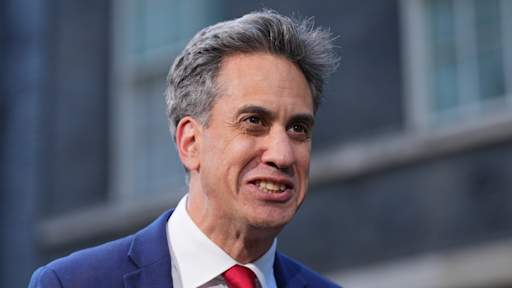
Energy Secretary Ed Miliband branded the rise in the price cap, “because of a war we did not choose”, as “deeply unwelcome news” for households across the country.
“We know people were under pressure before this crisis and that’s why easing that burden is our number one priority,” he said.
“To help people facing higher costs, the Chancellor acted last week to freeze fuel duty and made bus travel free for children across England in August. We have taken £150 average costs off energy bills for the years ahead and we have also extended the warm home discount for around six million families.
“We will continue to monitor the situation ahead of the winter and plan for all contingencies. In the immediate term, it is essential to de-escalate this conflict to bring oil and gas prices down, and as Britain faces the second fossil fuel crisis of this decade, we must learn the right lessons.

“The way to get bills down for good and avoid these price spikes is to go further and faster with this government’s drive for clean homegrown power we control.
“We are upgrading as many homes as possible ahead of winter with the biggest investment in warm homes in British history.”
Campaigners have warned of an “extremely difficult winter” ahead for the most vulnerable without extra support on bills.
Simon Francis, co-ordinator of the End Fuel Poverty Coalition, said: “Households need reassurance and support, not a summer of suspense.
“That means the government must act before winter to spell out what support will be available.”
Ned Hammond, deputy director of customer policy at Energy UK, which represents energy firms, said a rise of this scale will already be a “concern for millions” and that worries will be “magnified” if bills remain at this level or rise over winter.
“The government must now focus on how it can best target support later in the year to those customers most in need – in addition to the help suppliers already offer,” he said.
“It’s another unwelcome reminder – coming too soon after the last one – of how our country’s high dependence on gas leaves us exposed to price spikes we can do nothing about resulting from conflicts thousands of miles away.”
Gillian Cooper, director of energy at Citizens Advice, said: “One of the key tools to help people through this – the energy debt relief scheme – keeps being delayed.
“The scheme should be supporting people struggling with historic energy debt right now and the government needs to put it in place as soon as possible.
“And as we head into the summer, the Government must use this time to prepare wisely, ahead of autumn.
“Families with children, disabled people and those struggling to pay rent need better targeted support in place before it’s too late.”
Follow STV News on WhatsApp
Scan the QR code on your mobile device for all the latest news from around the country