
Prime Minister Andy Burnham has said employers will be made to say how much they are prepared to pay new hires in their job adverts.
The government says it will bring forward legislation for the “say what you pay” law as soon as possible as part of a drive to help young people entering the workforce and to address pay inequalities including the gender pay gap.
Research by the CIPD (Chartered Institute of Personnel and Development) has previously found 41% of employers always included salary information in their job adverts.
Around 27% of employers never included salary information, according to the 2023 survey of 832 decision-makers who have hiring responsibilities.
“Whether you’re a young person starting out or a parent trying to support your family, you should know what a job pays before spending your time and effort applying for it,” the prime minister said.
“That’s why we will make it a legal requirement for all employers to say what you pay.”
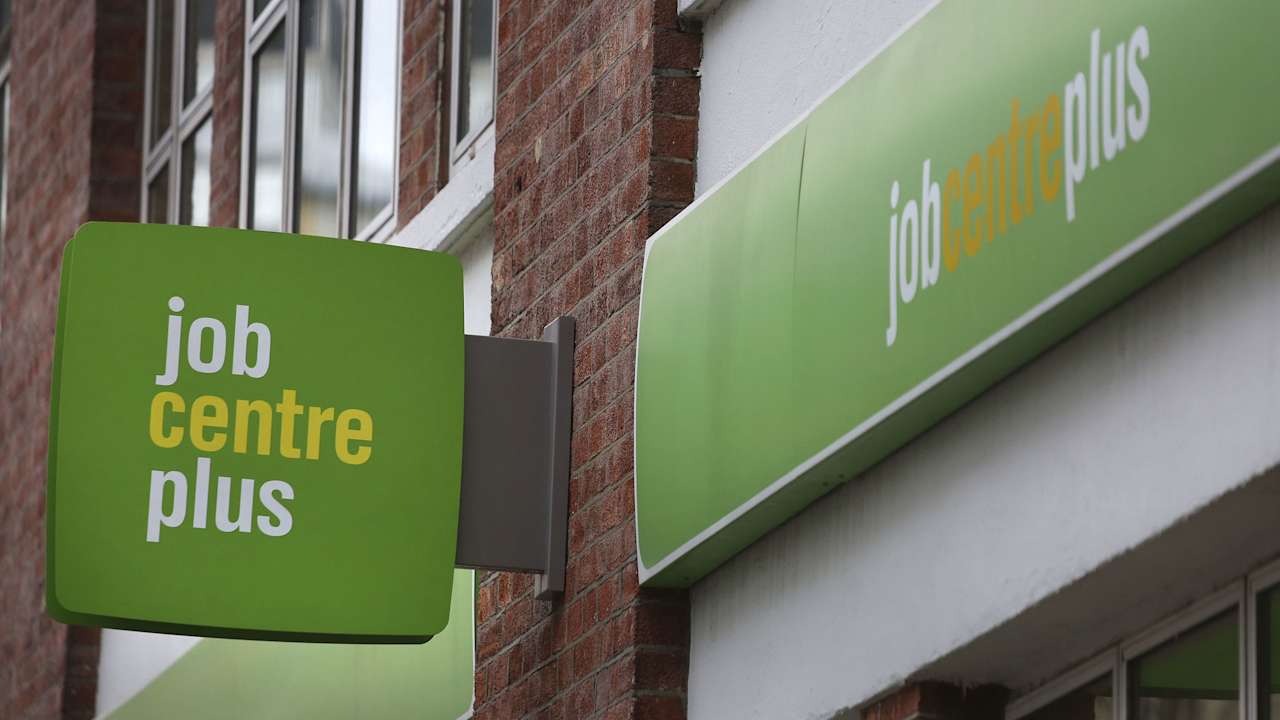
The move has been welcomed by TUC general secretary Paul Nowak, who said: “Anyone who’s searched for a job knows how frustrating it is to read ‘competitive salary’ instead of just saying how much they’ll be paid.
“Why should a candidate be expected to go through a lengthy application and interview process without knowing whether the job will actually pay them enough to get by?
“It’s absolutely right that the government clamp down on this disrespectful practice. Employers should be up front with potential recruits and clearly state how much a role will be paid.”
Mr Nowak added the government “should also require employers to list flexible working options in every posting”.
Nishi Mayor, of the Youth Futures Foundation, said: “Providing clear information about pay can help young people make informed decisions about employment opportunities, which for employers could mean more applications from more suitable candidates, ensuring they have the talent pipeline they need.”
Penny East, chief executive of the Fawcett Society, said: “For too long, salary secrecy has put women at a disadvantage, leaving them negotiating in the dark and making it much harder to challenge unfair and unequal pay.
“Requiring employers to publish salaries in job adverts is a significant step towards making work fairer for women and tackling the gender pay gap.”
Burnham also called for “businesses to open more doors and give young people the experience and confidence to take that first step into the world of work”.
Labour ministers have faced criticism for their handling of the jobs market, with 13% of 16 to 24-year-olds not in education, employment or training (Neet) in April to June this year.
Earlier in the year, between January and March, the number of Neets aged 16-24 topped a million for the first time since 2013.
A review into young people and work, carried out by former Labour health secretary Alan Milburn, is due to conclude later this month.
In the wider jobs market, the number of vacancies fell by an estimated 21,000, to 691,000, in the three months to September, data from the Office for National Statistics shows.
After last week’s Budget, Conservative Party leader Kemi Badenoch claimed, “jobs have been destroyed by Labour”.
She told the Commons that “businesses need cheaper energy, flexible labour markets and lower taxes – they are getting none of those”.
Liberal Democrat leader Sir Ed Davey claimed “a lack of economic growth” was behind “the cost-of-living crisis, higher taxes, broken public services, empty high streets, the lack of jobs and opportunity”.
He said: “British business is being held back, and it’s been held back above all by the terrible damage of the Conservative Brexit deal.”
Follow STV News on WhatsApp
Scan the QR code on your mobile device for all the latest news from around the country