 iStock
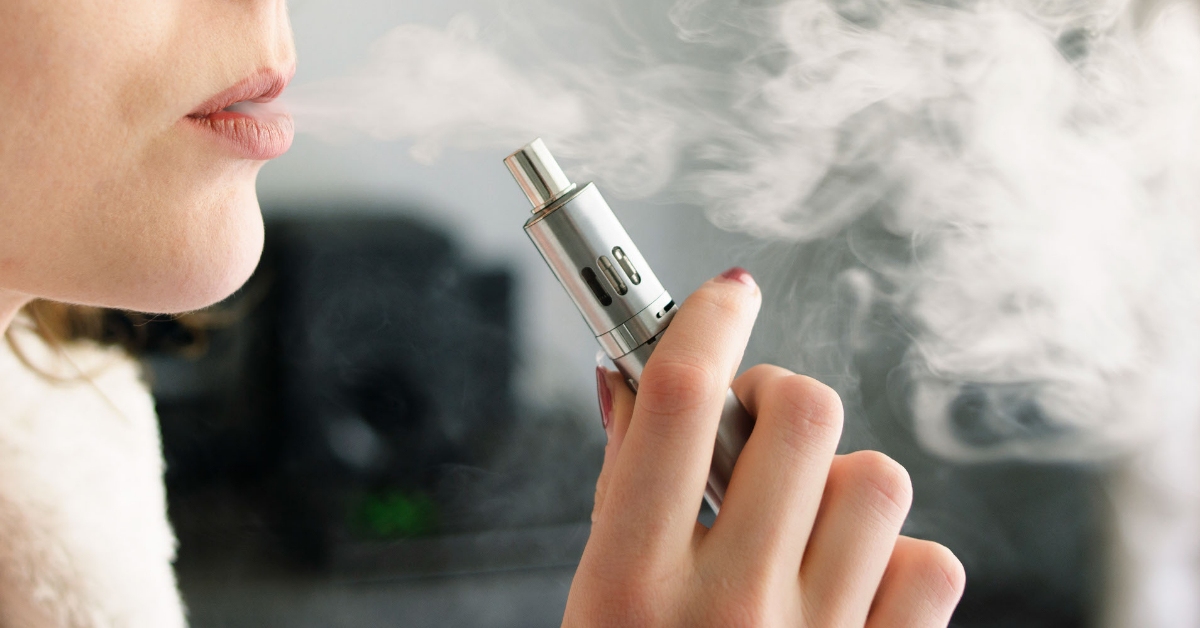
Pregnant women should be warned of a “potential harm” linked to a common chemical used to flavour vapes, scientists have said.
Lab studies have found that vanillin, a common flavouring chemical in e-cigarettes, could “compromise core processes of early human development”, scientists said.
Experts said that women trying to conceive and mothers-to-be should be alerted to the finding and they called on regulators to consider mandatory ingredient disclosure on vape packaging.
Scientists exposed embryonic stem cells to vanillin in a series of lab tests.
“We focused on vanillin because it is frequently used in e-cigarette fluids, it is often used at high concentrations, and because we knew that embryonic cells had a channel called TRPV4 on their surfaces that would likely bind with vanillin,” said study lead Professor Prue Talbot, from the University of California Riverside in the US.
Prof Talbot and her colleague exposed the cells to different levels of the chemical.
They found that even low doses, known as nanomolar concentrations, led to the early-stage cells losing the ability to develop into all cell types, and higher doses killed the cells.
The researchers said that the concentrations were “relevant to maternal EC (e-cigarette) exposure”.
“These changes are potentially very serious and could prevent normal development of embryos,” Prof Talbot said.
“Our data predict that nanomolar concentrations of vanillin may reach the embryo in pregnant women who vape.”
Writing in the journal Human Reproduction, the authors added: “Clinicians should counsel patients who are pregnant or planning pregnancy about this potential harm, and regulatory agencies should consider mandatory ingredient disclosure on EC packaging.”
Commenting on the study, Jacob George, professor of cardiovascular medicine at the University of Dundee, said: “This is a concerning pre-clinical finding that merits attention for future clinical research correlation.
“As this is research done on embryonic cells in a lab, it will need to be further clarified in human clinical trials as laboratory findings do not necessarily always translate into clinically relevant outcomes.
“Having said that, many researchers including myself have been calling for the limiting of flavours in vapes and for further research to be done on the impact of flavourings.
“Whilst nicotine-containing vapes are seen as a harm reduction measure compared to tobacco cigarettes, the presence of unregulated chemicals in flavourings is a concern that needs to be addressed.”
Marian Knight, professor of maternal and child population health at the University of Oxford, added: “It is important to recognise that, while in itself this lab study is well designed and carried out, the way in which cells were exposed to the vanillin is very different from how the cells of a developing embryo might come in contact with vanillin as a result of maternal vaping.
“Many of the effects observed were evident only at levels of the chemical unlikely to reach the developing foetus of a mother who vapes.
“There were, however, some observed effects at levels which may be found in maternal blood, hence the importance of considering information like this in any discussion around vapes in pregnancy.”
Follow STV News on WhatsApp
Scan the QR code on your mobile device for all the latest news from around the country