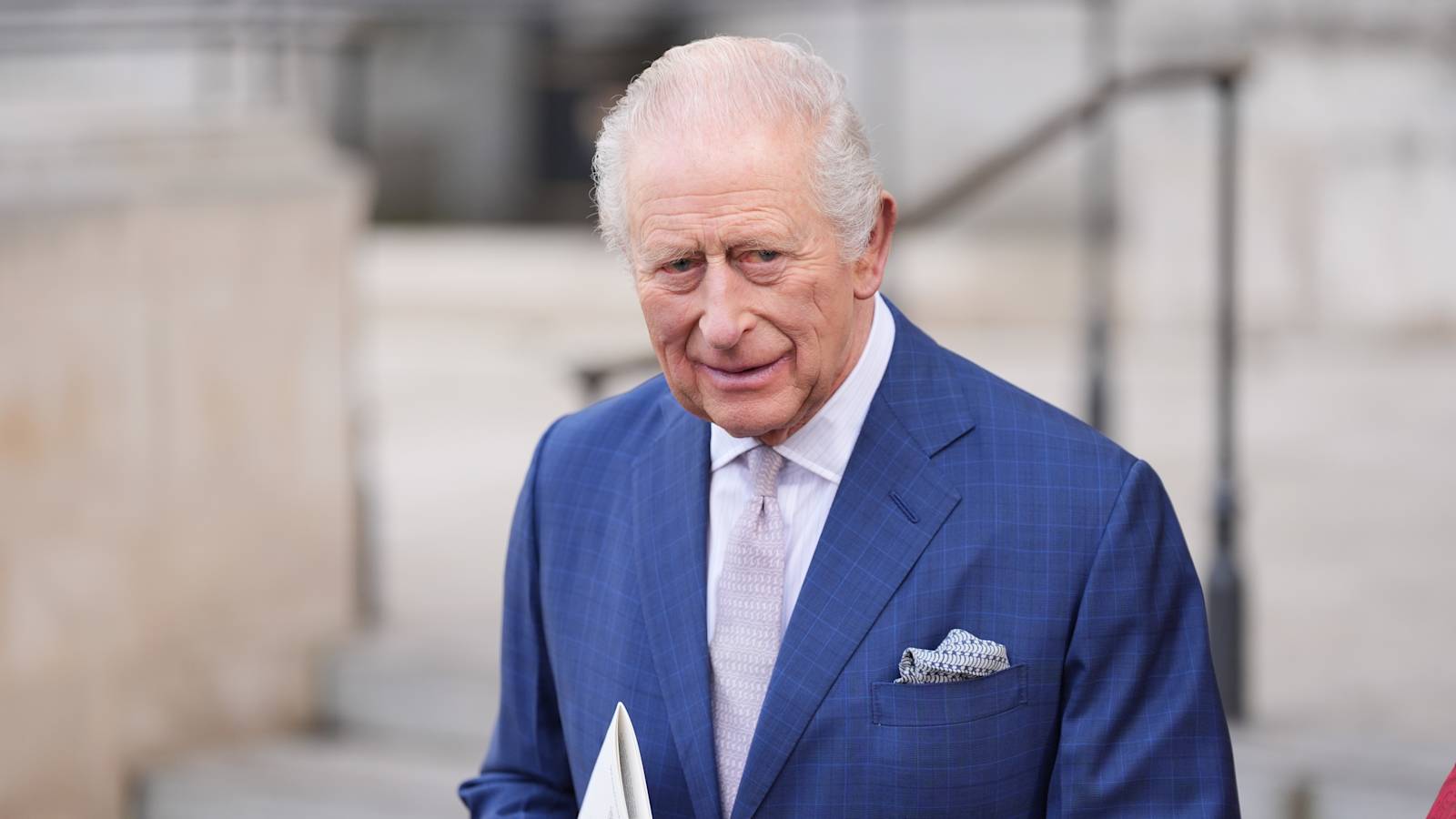
A cancer screening checker has had 100,000 visits, with the majority of views coming after it was endorsed by King Charles in a special pre-recorded message for Stand Up To Cancer.
The King revealed in the video that the schedule for his cancer treatment will be reduced, and stressed how his early diagnosis played a role in this development.
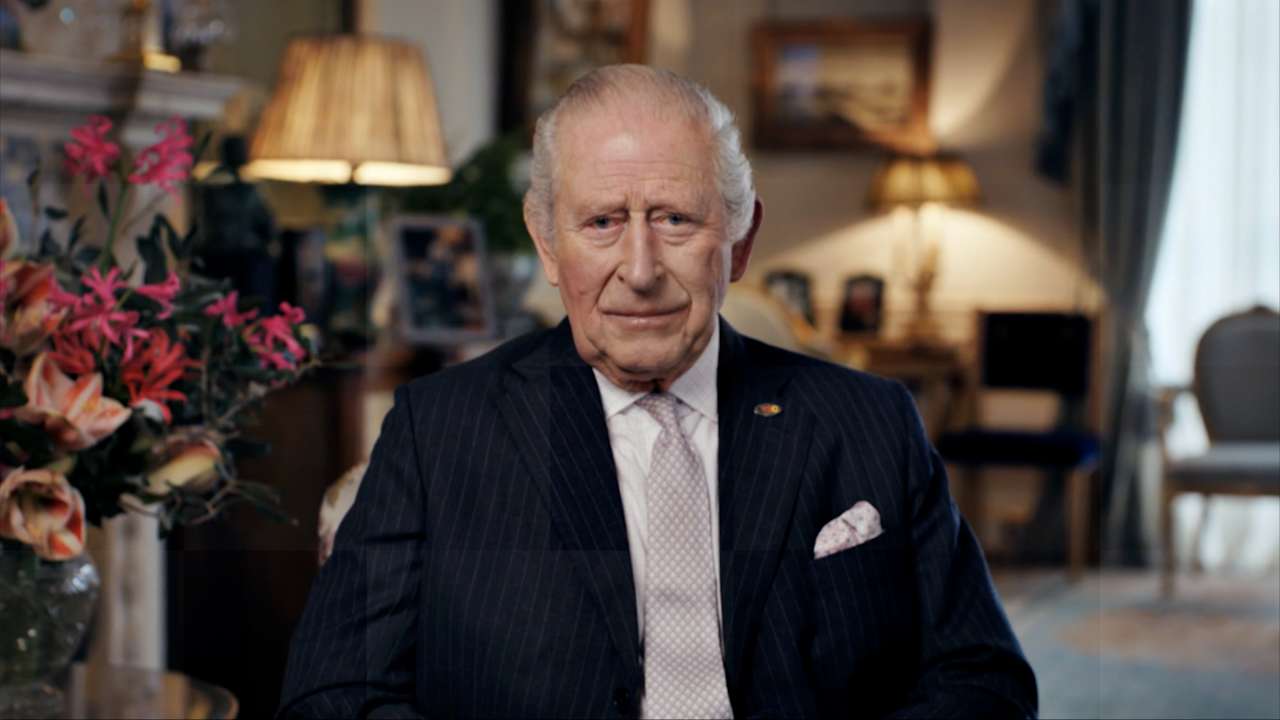
“Today I am able to share with you the good news that thanks to early diagnosis, effective intervention and adherence to ‘doctors’ orders’, my own schedule of cancer treatment can be reduced in the New Year,” Charles said in his video message.
“This milestone is both a personal blessing and a testimony to the remarkable advances that have been made in cancer care in recent years.”
The video, broadcast on Friday, encouraged members of the public to seek out cancer screening programmes, and use the new national Screening Checker, an online tool which allows people to check if they are eligible for breast, bowel or cervical cancer screening.
“It demystifies the process, answers your questions, and guides you towards taking that crucial step,” he said.
Cancer Research UK estimates that at least 9 million people in the UK are not up to date with their cancer screening.
Watch in full: King Charles gives recovery update in Stand Up To Cancer video message.
The video was pre-recorded in November, as part of the joint campaign by Cancer Research UK and Channel 4
Michelle Mitchell, Chief Executive of Cancer Research UK said the response shows “just how important open conversations about cancer can be.
“Taking just a few minutes to check what screening you’re eligible for could be an important step towards protecting your health – and could ultimately save lives.”
Anthony Cunliffe, Lead Medical Advisor at Macmillan Cancer Support, praised the King’s candour in talking about his cancer diagnosis.
“It’s always fantastic when people in the public eye, and obviously somebody like the King, is happy to speak openly and frankly about a cancer diagnosis, because we know it’s one of the ways we can get these really important messages out to the public,” said Anthony.
“If people have symptoms, changes in the body that they’re concerned about, they should see their GP as early as possible.
“Either they can get reassured and stop worrying, or they can get diagnosed as early as possible. The earlier you get diagnosed with cancer, the better the outcomes.”
The King has been receiving his cancer treatment as an outpatient since early February 2024, believed to be weekly sessions at the London Clinic.
Charles said he was “profoundly moved” by the nurses, specialists, researchers and volunteers who “work tirelessly to save and improve lives” and provide a “community care” for all cancer patients.
Charles’ friend and authorised biographer Jonathan Dimbleby also praised the King’s openness about his diagnosis.
Speaking to the Today programme, Dimbleby said it was a “remarkable thing” for a monarch to do.
“It’s worth just bearing this in mind, in the long context of our relationship with our royal family, it’s not very often that a monarch would speak so openly, so directly, about a very personal health issue.
“It takes guts, and the fact that he came out and did that will save lives, and people will be less frightened of saying ‘we must go and get a test’.”
Dimbleby also told Times Radio that the King wasn’t necessarily a “good patient”, but was committed, despite his frustration over treatment taking time away from his royal duties.
“I wouldn’t regard him as a good patient, in the sense he says ‘oh yes, another day of treatment coming up’.
“On the contrary, he found it irritating.
“It got in the way of his programme, because, you know, he’s so aware that the programme matters. He really cares for it.”
The King’s cancer diagnosis was announced in February last year.
Buckingham Palace has not disclosed the exact type of cancer the King has.
After his cancer diagnosis was announced, the King postponed all public-facing engagements but continued with his duties as head of state behind palace walls, conducting audiences and Privy Council meetings.
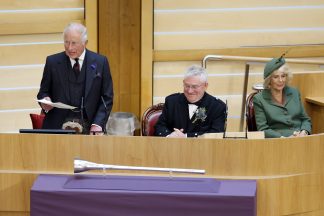
Charles marked his return to public royal events in April that year by visiting University College Hospital Macmillan Cancer Centre in central London with the Queen and spoke of his “shock” at being diagnosed when he chatted to a fellow cancer patient.
The King stepped up his workload at the start of the year following positive progress with his cancer care, and that has continued, despite what a source described at the time as a “minor bump” after he spent a short stay in hospital after experiencing temporary treatment side effects in March.
Stand Up To Cancer’s Screening Checker can be found here: https://www.standuptocancer.org.uk/screening-checker
Cancer screening is for people with no symptoms. If you’ve noticed something that’s not normal for you, or you’re worried that you might have cancer, don’t wait for screening. Talk to your doctor as soon as possible, even if you’ve recently been screened.
This is the Talking Royals – our weekly podcast about the royal family, with ITV News Royal Editor Chris Ship and Producer Lizzie Robinson…
Follow STV News on WhatsApp
Scan the QR code on your mobile device for all the latest news from around the country