
Human hair extensions are everywhere – on TikTok, on red carpets, in your local salon.
Millions of people wear them. You probably know someone who does. Maybe you’ve even bought some yourself.
But have you ever stopped to think about where human hair actually comes from?
When I began investigating the human hair trade, one word kept coming up: exploitation.
I wanted to know whether hair could ever truly be ethical, and the lack of transparency from some brands, honestly shocked me.
To get closer to the truth, I spoke to people across the industry – traders, factory workers and ethical suppliers. Everyone had a different story but they all agreed on one thing: most consumers have no idea where their extensions really come from.
There are three main sources of human hair: temple donations, where people shave their heads as a religious offering; individual sellers, often women in poor communities who sell their hair for very little; and so-called ‘waste hair’, collected from drains, hairbrushes, rubbish dumps and shop floors before being heavily processed.
Hair moves through so many hands before it reaches the UK that by the time it’s in a bundle on a wall or in a celebrity hairline, you’d never know whose head it came from – or whether they were paid at all.
Much of the world’s human hair begins in India. In many parts of the country, people shave their heads as a religious sacrifice known as tonsuring. It’s deeply spiritual. No-one is paid. No-one is doing it to supply the beauty market. But temples can make huge amounts of money selling this donated hair on.
When I asked one trader if devotees knew their hair would be sold, I didn’t get a clear answer. “They cut for God,” he told me. “Temple people don’t give you money.”
Temple hair is often marketed as the most ‘ethical’ because it’s traceable, but critics say it’s only ethical if donors truly understand what happens to their hair. Many don’t.
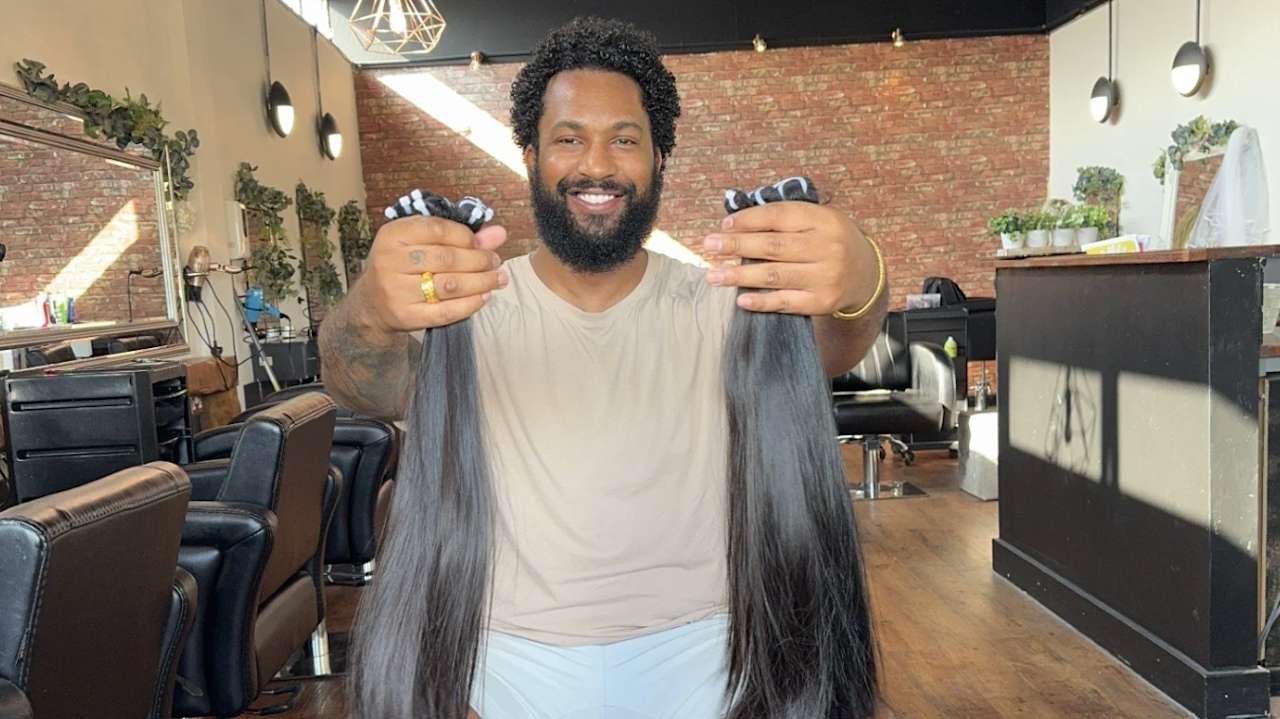
Finding someone working transparently in this market wasn’t easy, but eventually I met Dan Angus, the CEO of Remy Cabello Hair. He refuses to buy temple hair at all. Instead, he spends a lot of time travelling through rural parts of Southeast Asia with local collectors, buying directly from women who choose to sell their hair.
“I could be paying £150 to £200,” he told me. “The usual rate is maybe $15 or $20.”
For him, being ethical means being physically present at the point of collection. “If you’re not there,” he said, “you don’t actually know where that hair has come from.” He’s frustrated by companies that claim to be ethical without proving it. “What I dislike is when big companies claim transparency but can’t trace their own supply chain.”
Up until this point, we’re talking about the luxury end of the market. But what I found at the cheaper end is something I’ll never unsee. Low-cost human hair is often collected from brushes, shop floors, rubbish dumps and even sewers. Workers then detangle it by hand, blend it, chemically treat it and package it as “quality” hair.
I was told about lice infestations, fist-sized balls of matted hair, and young children working inside some processing factories. One source said he’d seen children as young as three helping sort hair.
Some in the industry believe the only ethical solution is to stop using human hair entirely. Glenn Kinsey, from the brand Mark Glenn Hair Extensions, told me they use a handmade fibre designed for women with hair loss or damage. It’s half the weight of human hair – and I was surprised by how realistic it looked.

When I asked why he avoids human hair, he said: “It’s coming from lots of different people’s heads – children included. And what choice did they have over that?”
The reality is, most people buying extensions don’t know the truth, and the industry benefits from that. People trust the labels, the sellers, the salons.
“If I’m buying something,” Glenn said, “I want to know I’m not contributing to someone’s distress.” And that’s the issue. Most of us simply don’t know.
After speaking with traders, buyers and salon owners, I’m left with one final question: is the most ethical choice… not human at all?
Follow STV News on WhatsApp
Scan the QR code on your mobile device for all the latest news from around the country