The football world has been left questioning the rules of the game after a red card suspension for an American striker was overturned by Fifa following an intervention by Donald Trump.
American striker Folarin Balogun was sent off during the USA’s last-32 match against Bosnia and Herzegovina on July 2, which normally would have triggered an automatic one-match suspension for the following game.
Fifa confirmed there was no way to appeal, and the case was closed. Or so everyone thought.
On July 5, Fifa announced that Balogun’s suspension was overturned and that he was therefore allowed to play in the USA’s next match against Belgium – a decision quickly applauded by the US president on Truth Social.
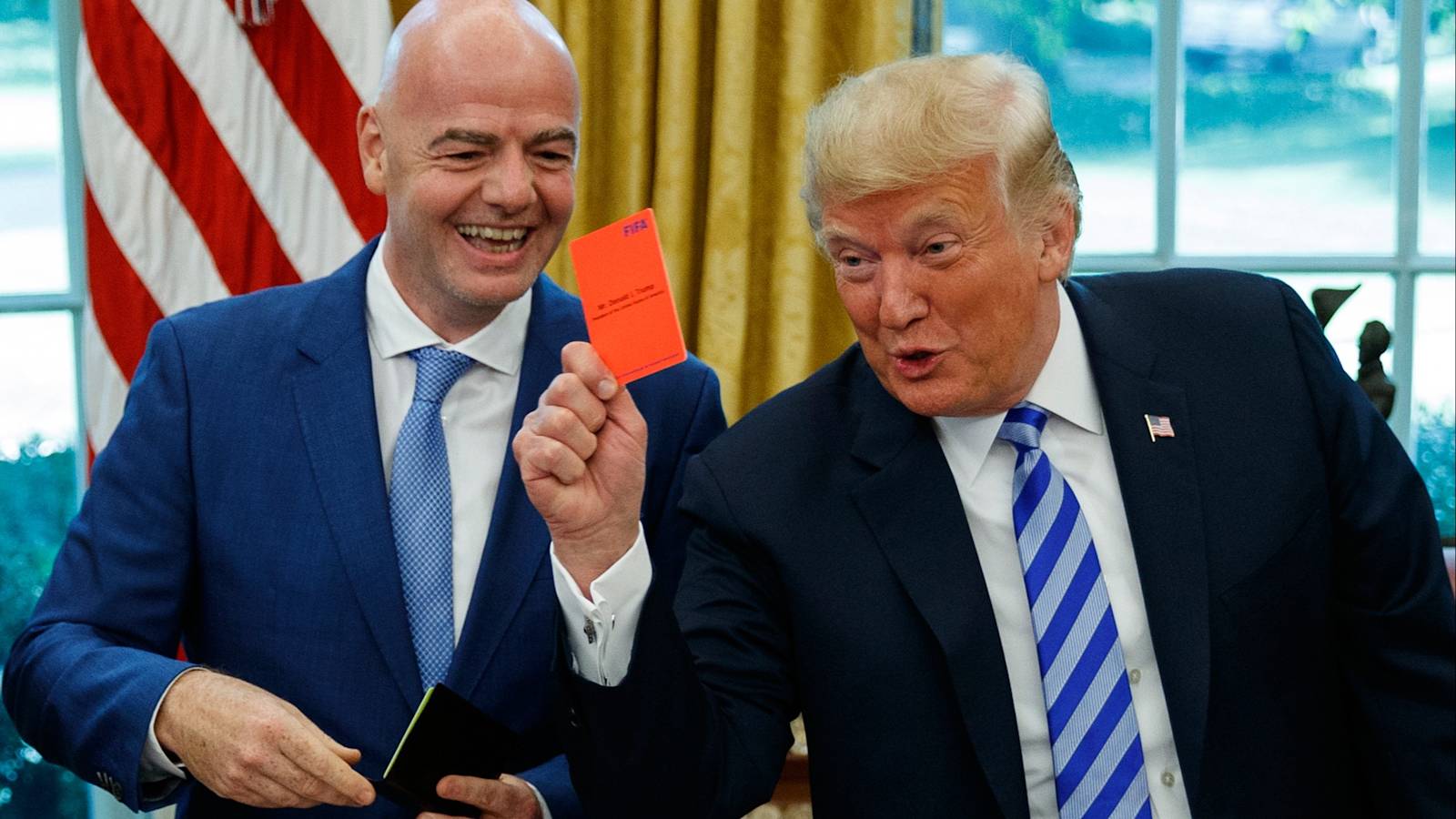
Amid public criticisms that Fifa had “crossed a red line”, questions were raised about whether the decision came from a phone call between Trump and Fifa president Gianni Infantino.
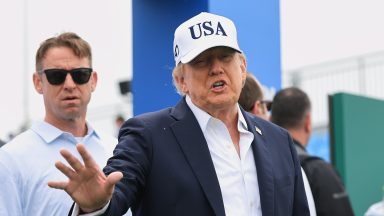
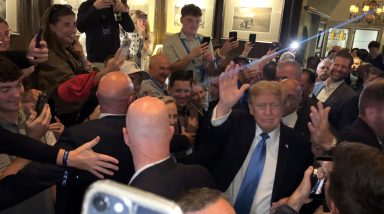
Then, in a stunning turn of events, Trump confirmed during a press conference on Monday that he had asked Infantino to review the decision because he believed the challenge “wasn’t a foul”.
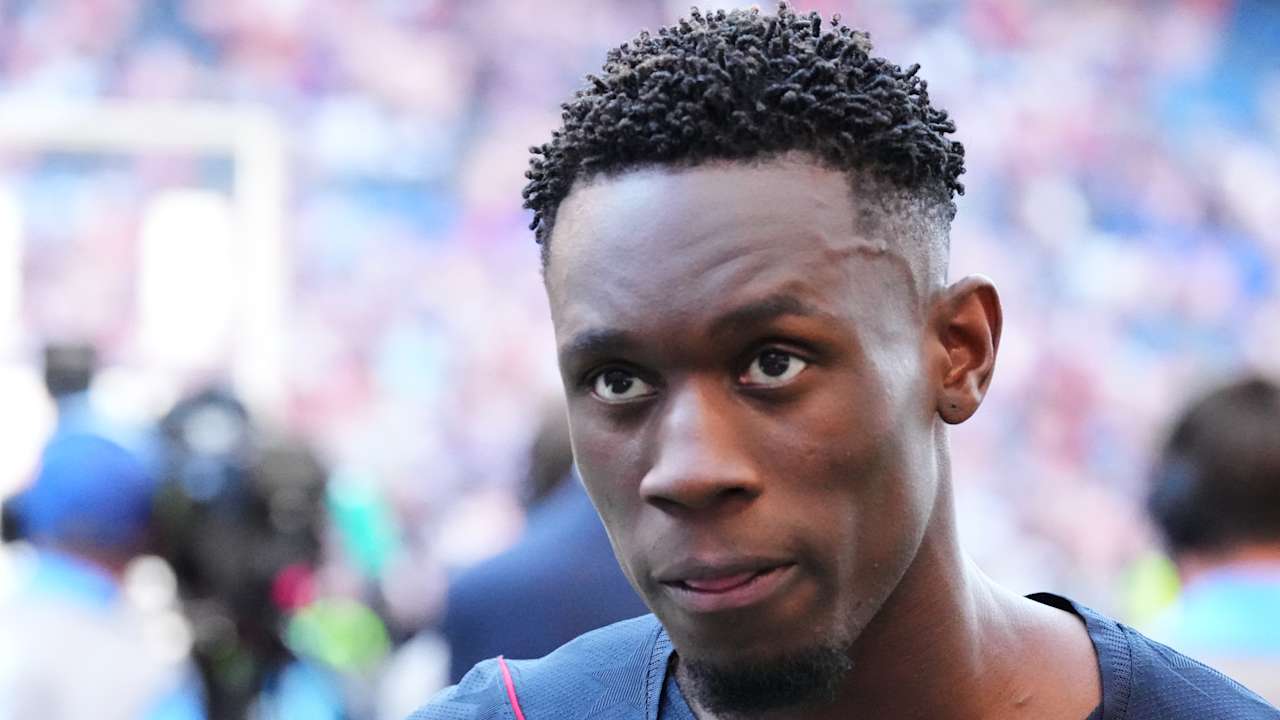
Trump said he had “only” asked for the incident to be reviewed and denied telling Fifa to overturn Balogun’s ban.
He added: “I think it [the suspension] would have left a big stain. I can’t tell them what to do. I don’t believe they made the decision; I believe it was the commission that made the decision. And it was the right decision.”
But it didn’t do the World Cup co-hosts much good, as they crashed out 4-1 to Belgium on Monday night, with many fans blaming Trump for getting politics involved.
Still, the reversal has left the football world asking whether the rules mean anything.
So how can a red card be challenged, and why was Balogun’s suspension overturned?
Can you appeal a red card?
The short answer is you can’t, not really.
Under FIFA’s disciplinary rules, decisions made by the referee during a match are considered final and cannot be overturned through an appeal.
If a referee decides a tackle is worthy of a red card, that decision will remain, even if later replays suggest the call was incorrect.
There’s one narrow exception: if there has been an obvious error, such as the wrong player being sent off.
In those cases, the punishment can be transferred to the correct player, but the referee’s decision itself is not reversed.
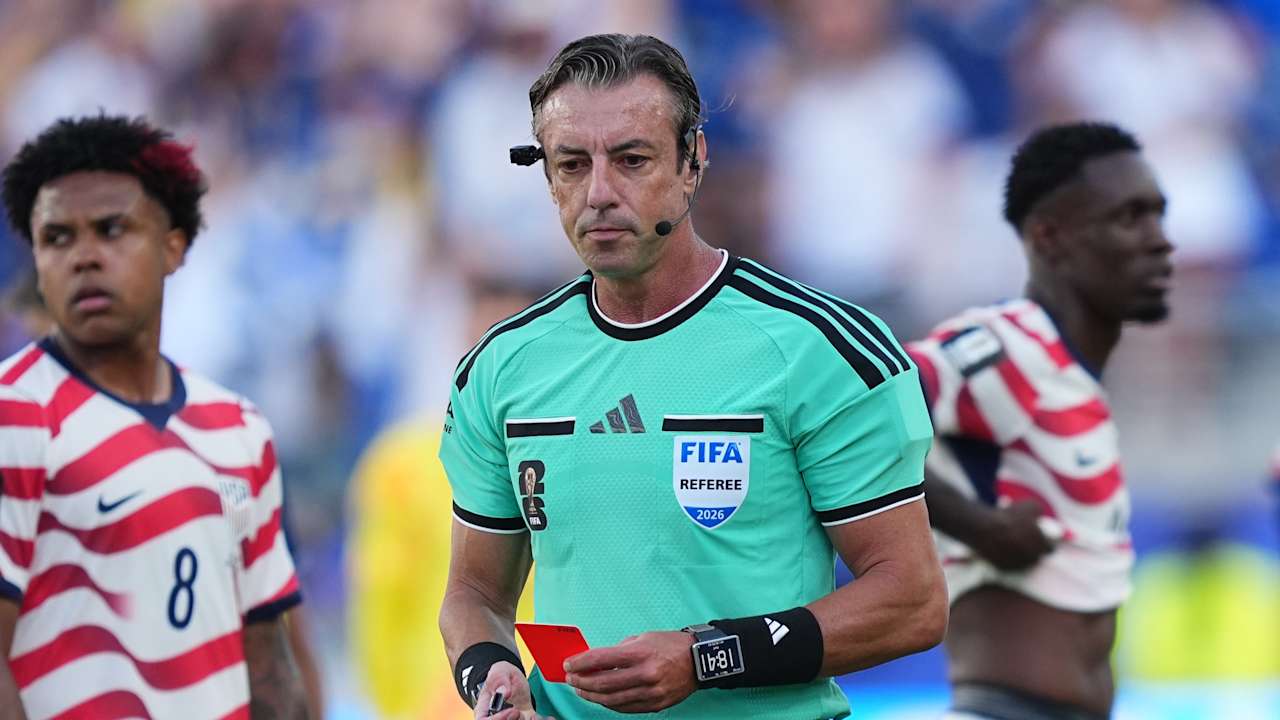
Still, teams can submit a formal protest within 24 hours of the final whistle, with a fee of around £900, but again, only for a narrow category of obvious mistakes.
A referee’s judgment over a tackle does not qualify. But what a team can challenge is any additional punishment imposed on top of the automatic one-match ban.
For example, if Fifa adds on further match bans for serious foul play, a team can appeal that extra punishment.
So how was Balogun’s ban overturned?
After Trump’s call, Fifa’s Disciplinary Committee used a little-known rule called Article 27 of its disciplinary code, a rule that allows a punishment to be suspended for a probationary period.
Article 27 can be applied to any red card, but this has never happened before.
In Balogun’s case, the one-match suspension was placed on hold for one year.
This means that the ban was not removed entirely – it was effectively frozen. If he commits a similar offence during that period, the punishment could be reactivated.
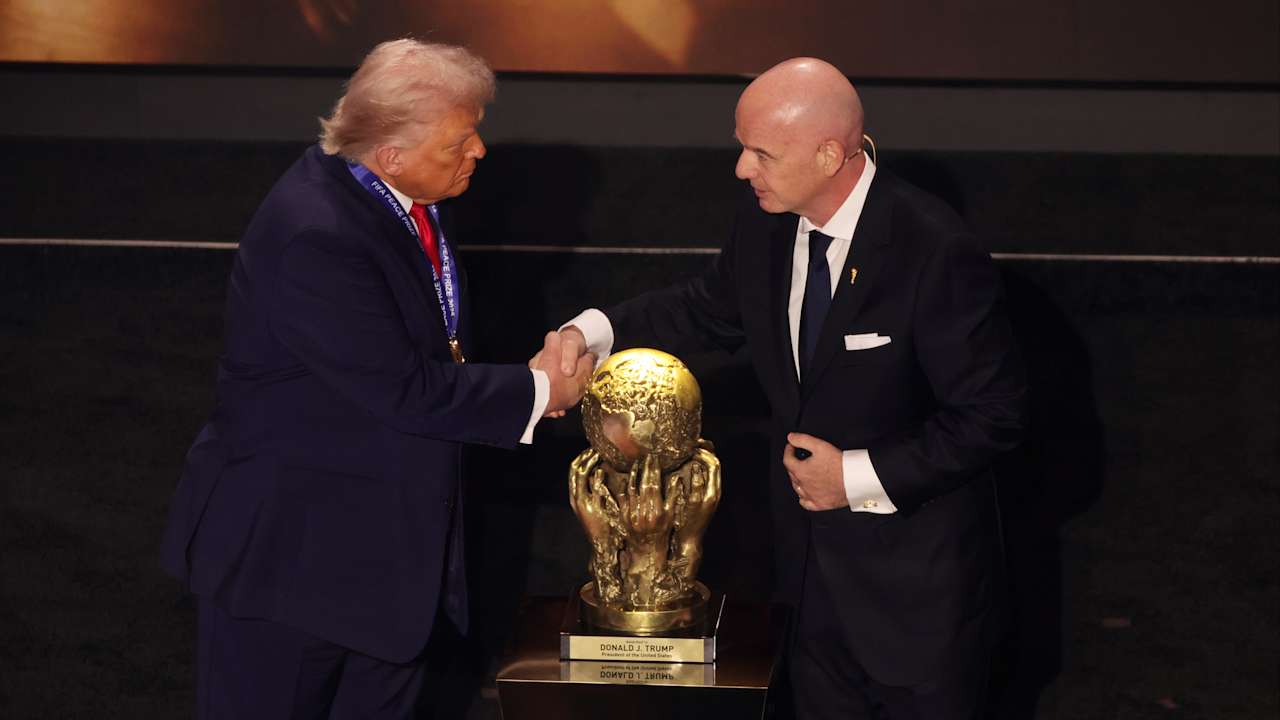
Crucially, this was not an appeal, as there is no route to appeal a referee’s decision in this situation.
Instead, Fifa chose to press pause on its own punishment.
The rule has never been used at a World Cup until now, adding to the controversy surrounding the decision.
Why did Fifa intervene?
Fifa offered no public explanation for freezing the ban.
What we do know is that Trump phoned Infantino about the decision, and days later, Balogun was cleared to play.
What has the reaction been?
The response has been highly critical from the very top of the game.
Uefa issued an unusually strong statement, saying the decision “crossed a red line”, and describing it as “unprecedented, incomprehensible and unjustifiable”.
European football’s governing body argued that automatic suspensions following red cards are part of football’s rules and warned that creating an exception during a tournament for the co-host could undermine confidence in the competition.
Uefa also warned that the decision creates a precedent, as every player in the same situation now has a claim to argue they should receive the same treatment as Balogun.
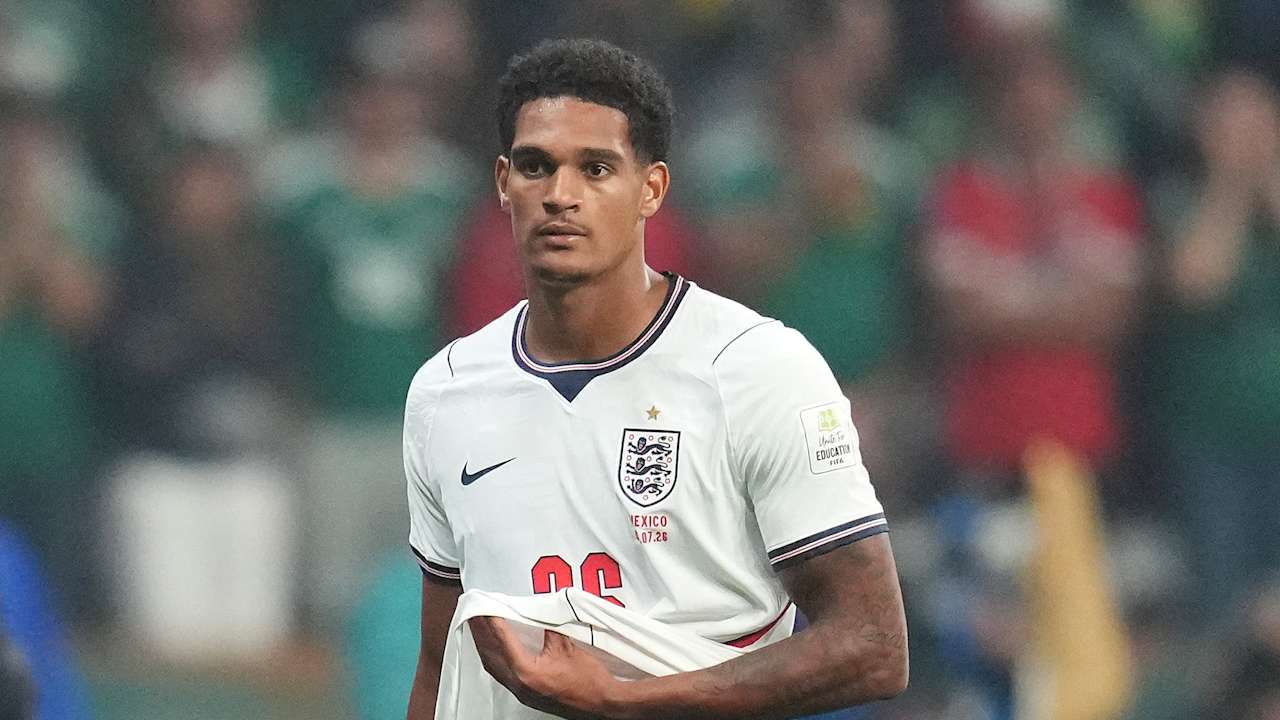
That has also raised questions for England.
The FA is considering whether to challenge Jarell Quansah’s red car during the Mexico game, while reports suggest France is also exploring whether to appeal Michael Olise’s yellow card following their victory over Paraguay.
In a staunch rebuke, former Liverpool FC manager Jürgen Klopp told The Telegraph: “This is our sport, not theirs.
“If Donald Trump and Gianni Infantino really sorted this out between themselves, it is madness; it calls everything into question.”
England boss Thomas Tuchel captured the confusion after the Mexico game.
He said: “Where does this start and where does this end now? Can we overturn it or not overturn it? What’s going on?”
Who has the final say?
The final decision rests with Fifa’s Disciplinary Committee.
It has the power to impose, adjust, or suspend punishments under Fifa’s disciplinary regulations.
As Balogun’s case showed, it also holds the power to enact Article 27 to freeze punishments entirely.
Above it sits Fifa’s Appeal Committee, and beyond that the Court of Arbitration for Sport (CAS), which has a fast-track division on site at this World Cup.
In theory, a team could take a case to CAS, but the court has historically refused to second-guess refereeing decisions.
So, the final word rests with Fifa itself. And after the Balogun affair, that’s precisely what has so many in the game worried.
Follow STV News on WhatsApp
Scan the QR code on your mobile device for all the latest news from around the country