Andy Burnham has said he is not embarrassed by the exchange of messages he had with someone pretending to be Donald Trump’s chief of staff.
The prime minister was in contact with an unknown person who pretended to be top White House aide Susie Wiles, but he grew suspicious after several messages and reported the incident.
Speaking with reporters on Tuesday, he insisted he had handled the incident properly.
“No, I’m not, because there was a minimal exchange, nothing of consequence, and actually, quickly I realised that this needed to be reported, and I did so,” he said.
“So I handled it in the right way. All politicians are receiving these pressures and these challenges, but I did everything right.
“There was a minimal exchange of information of zero consequence, and it was quickly reported.”
When asked what step had been taken to find out who had impersonated the White House chief of staff, Burnham replied: “The correct action has been taken here and in the US.”
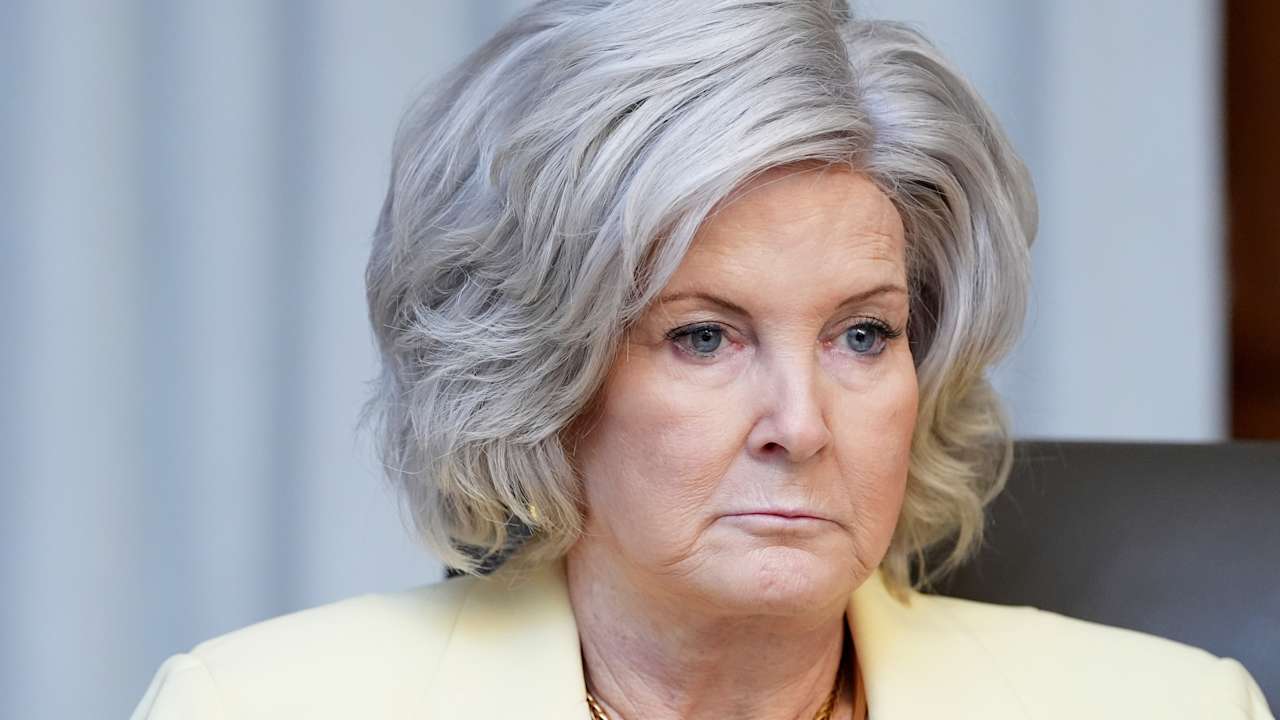
Reports of the exchange of messages first emerged on Monday in the news outlet Politico.
The British embassy in Washington was so concerned that it raised the matter with the White House, according to two officials who spoke to the media organisation.
Wiles’ phone had previously been hacked, according to reports in the US.
But a US official told Politico that the incident involving Burnham was not related to this.
Last year, The Wall Street Journal reported that the FBI had launched an investigation into attempts to access Wiles’ phone after an unknown person contacted well-known Republicans and business leaders while pretending to be her.
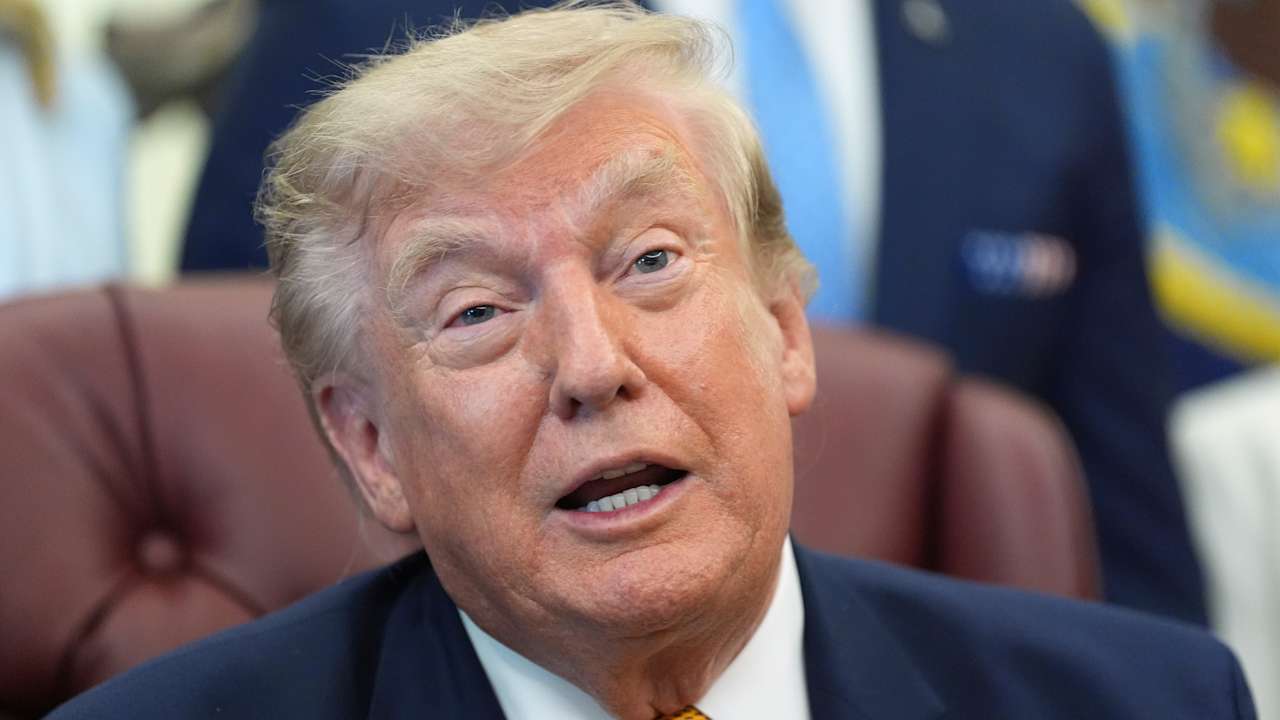
Trump later appeared not to be aware of the incident, saying to reporters at the White House about Burnham: “I’m sure that he had a miscommunication.”
Burnham is not the first high-profile British political figure to have come into contact with an impostor.
Footage of a hoax call in which then-foreign secretary Lord David Cameron believed he was speaking to former Ukrainian President Petro Poroshenko was released by the UK Government in 2024.
The Foreign Office said the perpetrators in that case were “clearly Russian” and made the incident public in a bid to pre-empt any effort to manipulate the video.
In 2022, then-home secretary Priti Patel and then-defence secretary Ben Wallace were also targeted by hoaxers suspected of working for the Kremlin.
In 1998, impressionist Jon Culshaw was put through the Downing Street switchboard to then-premier Sir Tony Blair while pretending to be then-leader of the Opposition Lord William Hague.
Blair realised instantly the call was a prank, but laughed and said: “It’s quite a good imitation.”
Follow STV News on WhatsApp
Scan the QR code on your mobile device for all the latest news from around the country