Words by Senior Business and Economics Producer Jack Abbey
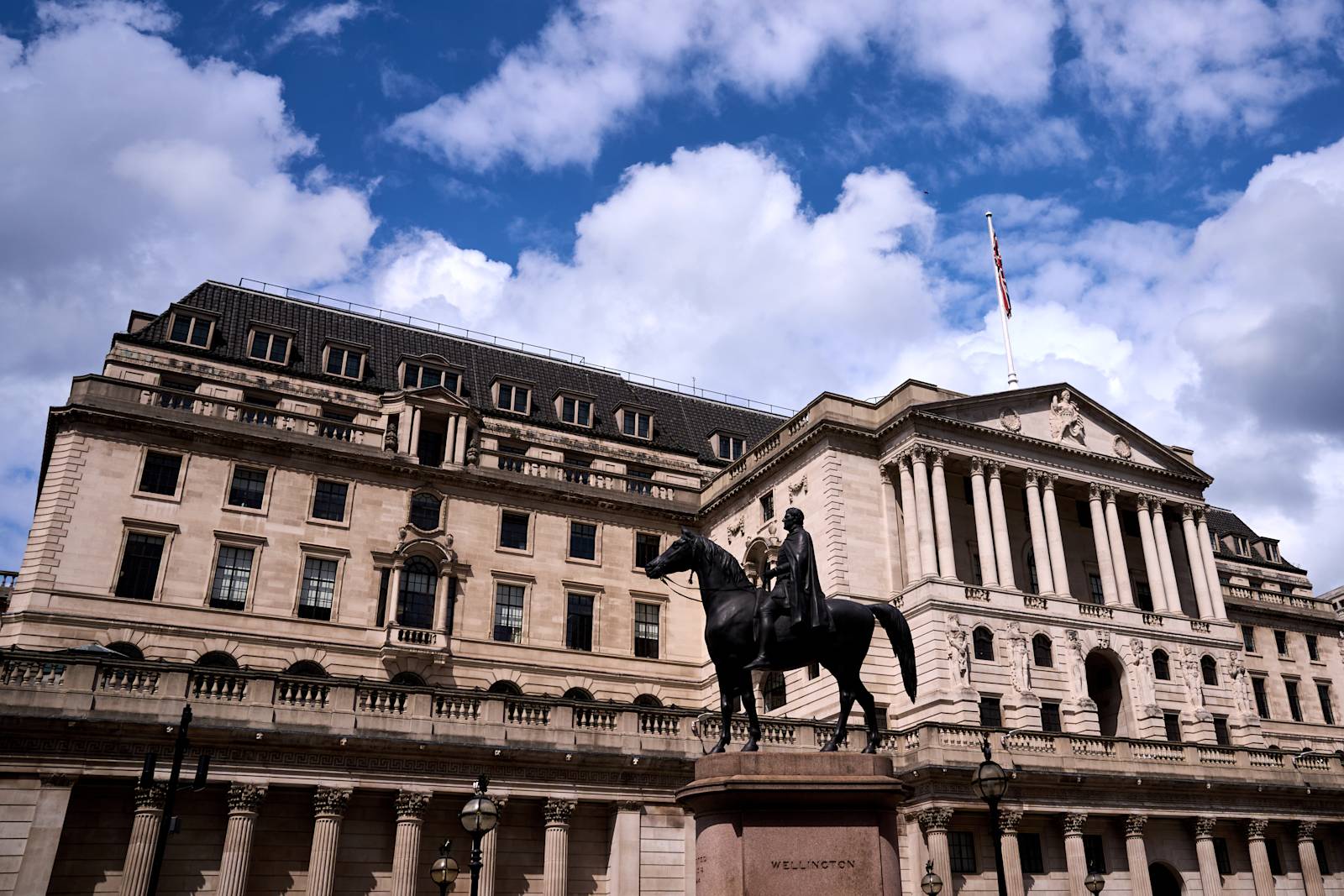
The Bank of England has held interest rates at 3.75% amid continuing economic uncertainty caused by the volatile situation in the Middle East.
It appears that the Bank’s worst fears for the economic impact of the war may not come to pass.
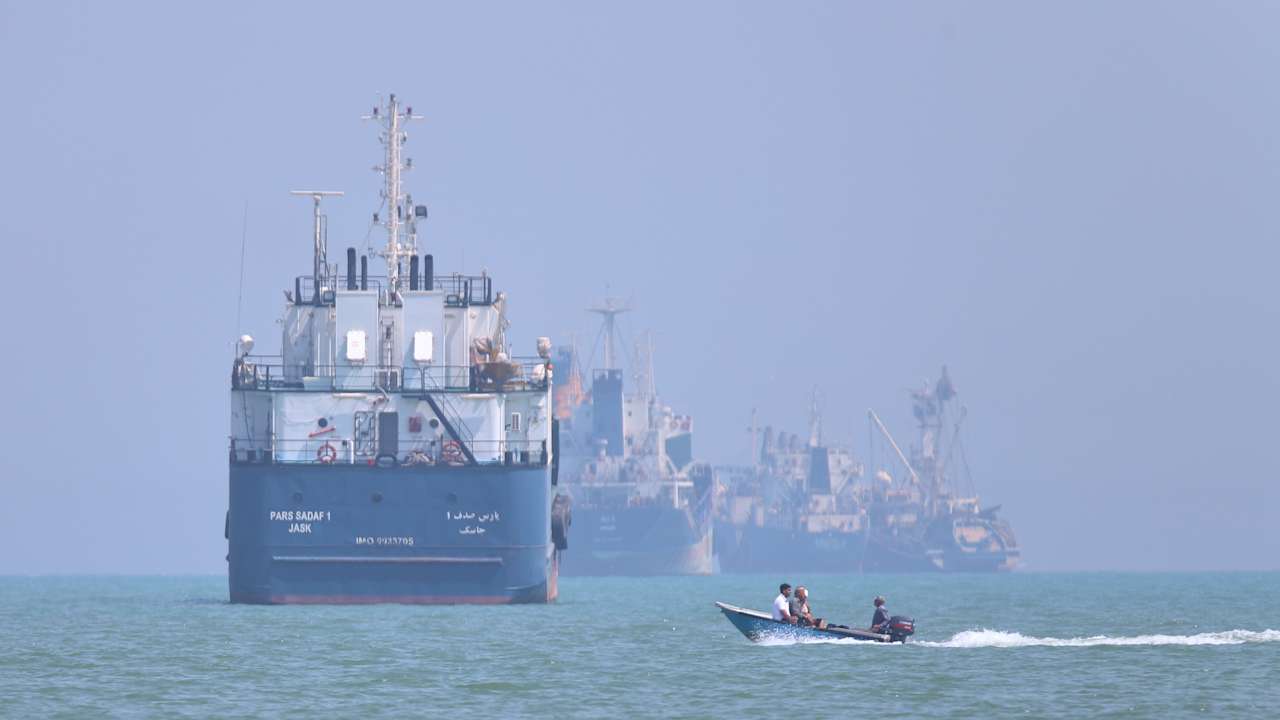
Since March, the closure of the Strait of Hormuz has provoked fears of a devastating economic global shock as oil and shipping remained unable to leave the Gulf.
Since talk of a peace deal began global energy prices have dropped sharply from the highs they reached during the early days of the war.
When the Bank made its decision oil prices had fallen to $79 a barrel down from $100 last time they met. But that is still well above the $66 a barrel cost of oil before Donald Trump launched his war against Iran.
The situation in the Middle East though remains far from certain and energy prices across the board are volatile.
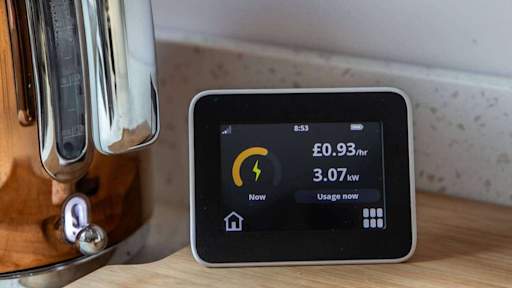
Since April’s meeting of the Bank’s rate setters inflation has fallen back to 2.8% but the Bank warns that they expect inflation to rise as the year goes on because the full impact of high energy prices are yet to be felt.
The Food and Drink Federation still warns of food price inflation hitting double digits by the end of the year as high energy costs filter through into production.
It is in that context that the Bank has opted for the caution of its fourth hold in a row.
Andrew Bailey, Governor of the Bank of England said: “We’ve held Bank Rate at 3.75% today.
“Oil prices have fallen in recent days and that’s encouraging… Whatever happens in the future the higher energy prices of the past four months mean there’s already some inflationary pressure in the pipeline.
“The Bank’s job is to make sure that doesn’t turn into sustained inflation above our 2% target.”
The job of the Bank’s independent committee to ensure inflation hits its target of 2%. When inflation, or the risk of inflation is high they tend to increase interest rates to try and rein in spending and bring price rises down.
After the high levels of inflation seen in the wake of Russia’s invasion of Ukraine the Bank is extremely wary of what it calls second round effects of price rises where high prices lead to demands for wage increases which in turn lead to further price rises.
Before the war began the Bank seemed set to slowly reduce interest rates across 2026.
The war put a halt to that but a peace deal and the possible reopening of the Strait of Hormuz have reduced the chances of rate increases, news which will relieve mortgage holders.
Follow STV News on WhatsApp
Scan the QR code on your mobile device for all the latest news from around the country