Words by ITV News’ Akshay Raja
Global airlines have cut two million seats from their May schedules amid disruptions to global fuel supplies.
According to data from aviation analytics firm Cirium, there were over 132 million scheduled seats for international flights in May on April 10.
By April 21, this had fallen to 130 million seats.
Over the same period, the number of planned flights fell by over 13,000.
The reduction in capacity comes as shipping traffic through the Strait of Hormuz remains blocked, and vessels are prevented from travelling through the passage.
A fifth of global oil and gas supplies are typically transported through the Strait. With the movement of these vessels disrupted, oil prices are surging and airlines are facing higher operating costs.
European jet fuel prices more than doubled over six weeks from late February, according to Cirium.
The head of the International Energy Agency, Faith Birol, warned in April that this is the “largest energy crisis we have ever faced”, suggesting Europe has only around six weeks of jet fuel left.
For airlines, this means flight cancellations or complete closure in some cases.
With May half-term and summer holidays approaching, could this affect your travel plans?
How have airlines responded?
Germany’s Lufthansa cancelled 20,000 short-haul flights from its schedule until October, due to the sharp price increases.
They say ticket prices may continue to increase given the current geopolitical environment.
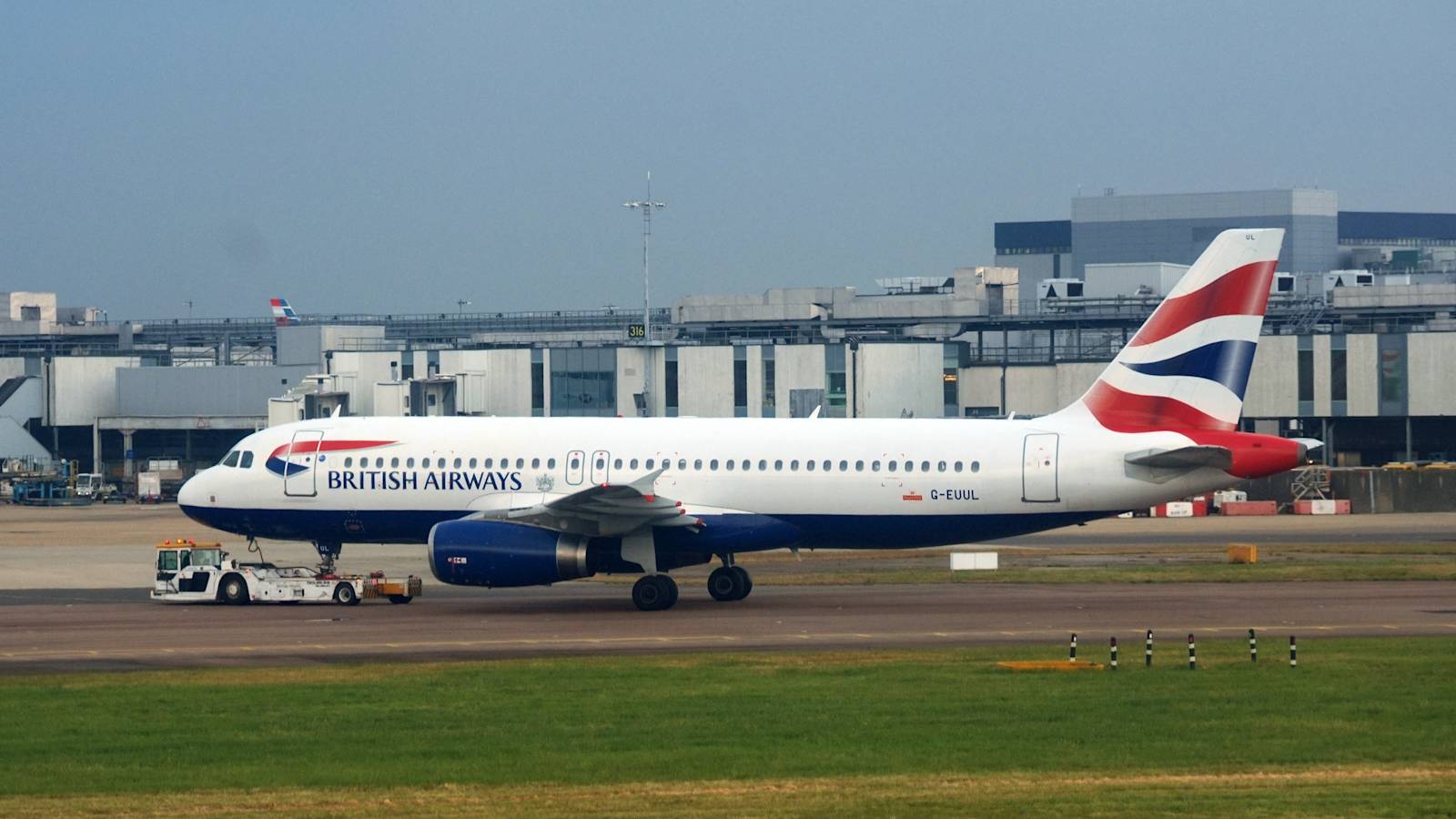
British Airways has paused the majority of its flights to parts of the Middle East until at least June ,while all flights to Amman, Bahrain, Dubai, and Tel Aviv are temporarily cancelled until May 31. BA’s Abu Dhabi flights remain cancelled until October.
But other airlines suggest it is business as usual.
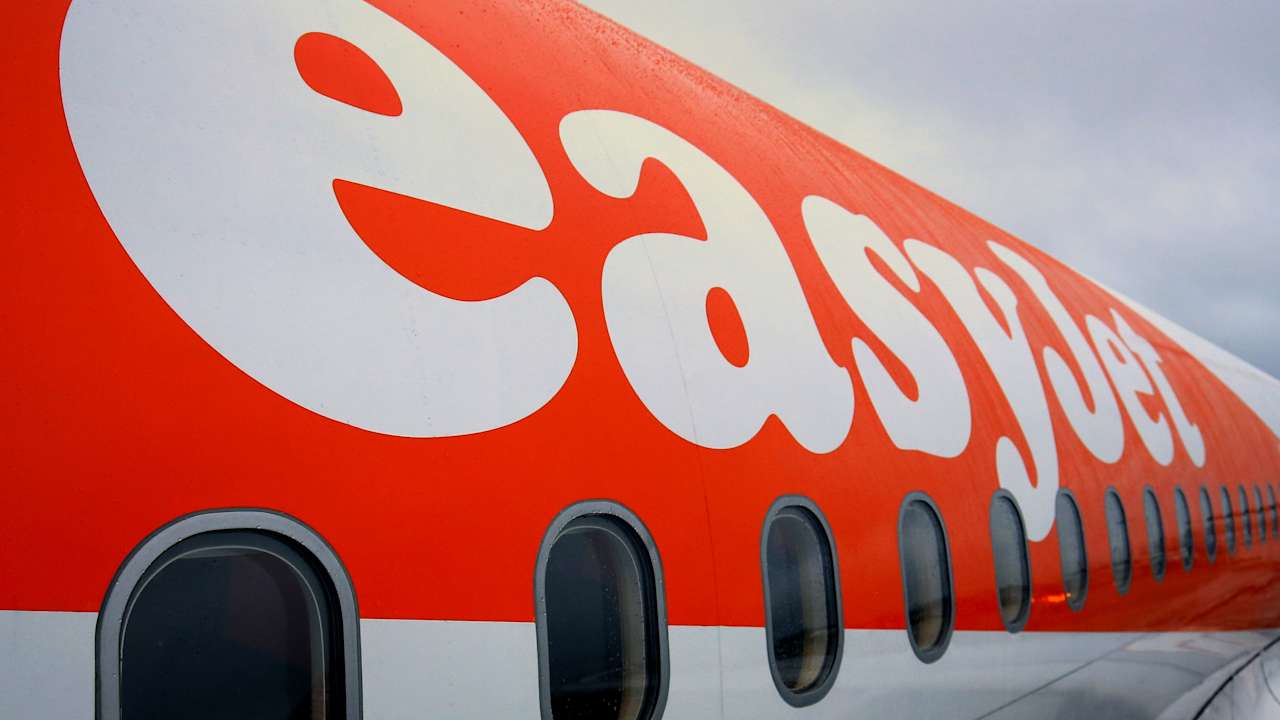
EasyJet says it is not seeing any disruption to fuel supply and will continue to operate flights as normal.
Kenton Jarvis, CEO of easyJet, said: “We are operating as normal and are not making changes or cancellations and we are looking forward to taking millions of people on their well-deserved holidays this summer.”
Ryanair similarly says no flights have been cancelled due to fuel shortages.
Wizz Air has also confirmed it plans to continue to operate its full summer schedule, “flying passengers safely and reliably to their destinations across its extensive network”.
Will this disrupt holiday plans?
Holiday plans should not be affected on the whole, according to experts.
Speaking to ITV News, they made a key distinction between the cost of fuel and fuel shortages.
They emphasise that there have been very few flight cancellations in the UK and Europe, and those cancellations which have been made are due to the rising cost of jet fuel rather than shortages.
Rory Boland, Travel Editor at Which? highlights that Lufthansa’s cancellation of flights was because the airline decided it was too expensive to run these flights.
Boland says airlines will cancel flights while prices remain high, but these will be for routes with multiple flights a day, so passengers can be rebooked.
He predicts that most flights in Europe this summer will continue as normal.
ABTA, the trade association for tour operators and travel agents in the UK, reiterate this point.
In a statement, the organisation said that the government’s announcement “is a precautionary measure”, rather than an emergency one.
The organisation says that where changes do occur, “passengers are likely to still travel on the same day and avoid last-minute disruption.”
What has the government said?
Transport Secretary Heidi Alexander has assured customers their summer holiday plans will not be disrupted due to fuel shortages.
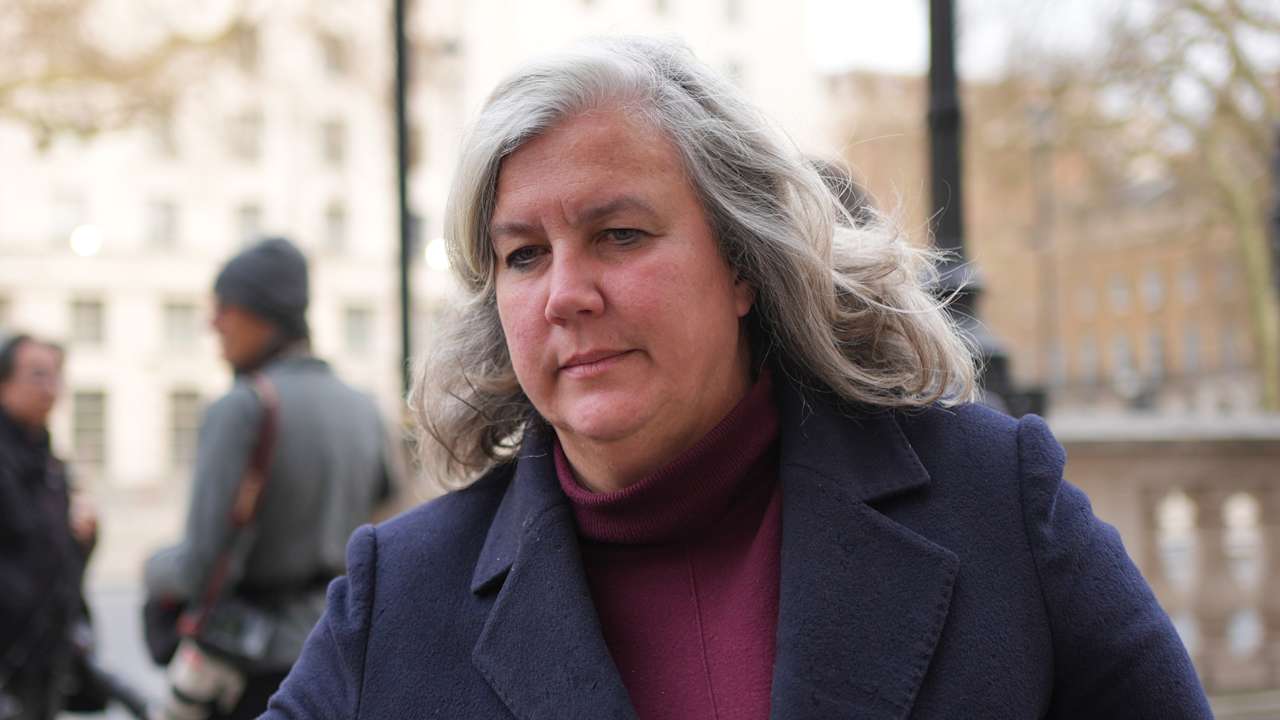
Asked if people jetting off abroad are likely to face problems this summer, Ms Alexander told Sky News’ Sunday Morning With Trevor Phillips: “I’ve spent every week of the last two months in close contact with airlines and airports.
“On Thursday of this week, airlines told me very clearly that they have good visibility over the next six to eight weeks of jet fuel supply.
“There is no current disruption to jet fuel supplies.”
The government has introduced a temporary rule which allows airlines to group passengers from different flights together onto fewer planes, to save fuel.
This means passengers could be moved from the service they originally booked to a similar one.
Follow STV News on WhatsApp
Scan the QR code on your mobile device for all the latest news from around the country