
“We are two or three Snapchat messages away from a fatality.”
That’s the assessment from Glasgow youth workers, who say Scotland is “years behind” the curve in tackling teenage violence.
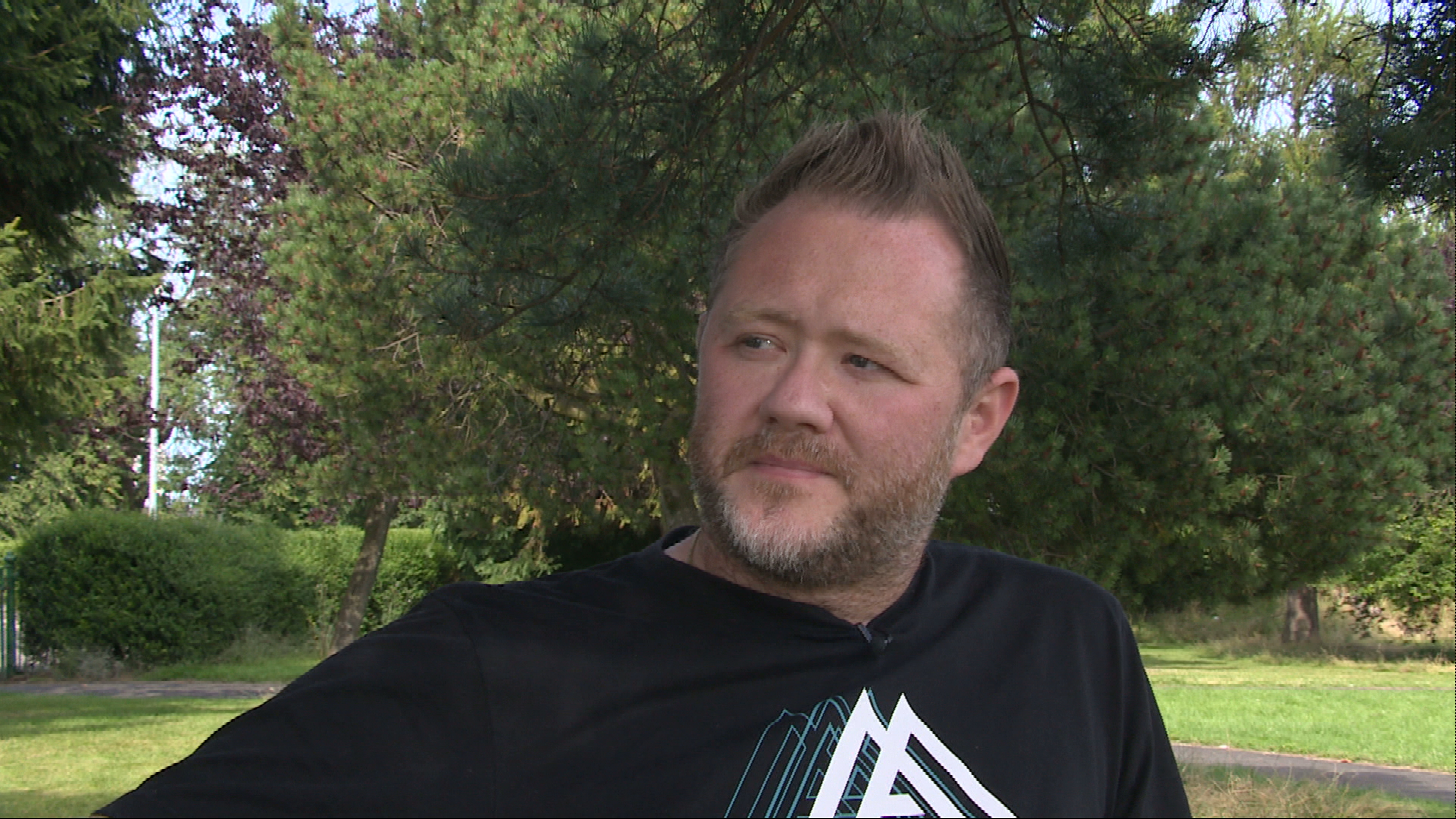
Community development worker Jamie O’Neill began working with youngsters in the Kingsway area of Glasgow several years ago. His organisation was recently forced to suspend youth work temporarily after he was injured while attempting to intervene in a dispute.
Jamie believes social media has accelerated youth violence in recent years, with teenagers participating in group chats involving more than 100 people from across Glasgow.
He says speaking directly to vulnerable young people remains the best way of understanding what’s unfolding on the ground.
‘We’re way behind’
 STV News
He argues agencies are “way behind” in understanding the role technology now plays in fuelling disputes.
“Social media is hugely important. If something is shared, we’ll find information quicker through a young person rather than an agency.
“There’s pressure to stay in the group chat and play up.
“What you’re seeing in the group chat you think is real. ‘I’m going to get you tomorrow after school’, ‘maybe I should take a knife with me?’ They’re not turning to their parents, police or social work. Often it’s young people speaking to each other.”
Videos of fights and threats can be shared around the city within minutes, escalating tensions long before adults become aware of them.
“They’re having disputes with people from Tollcross and other communities. It can escalate so quickly, and adults aren’t in those spaces.
“I know I’ve intervened in some, and we’ve intervened and de-escalated where we can, but there are so many near misses.
“It’s hard to see. You see things playing out and you can’t always stop it.”
More young people caught carrying weapons
 STV News
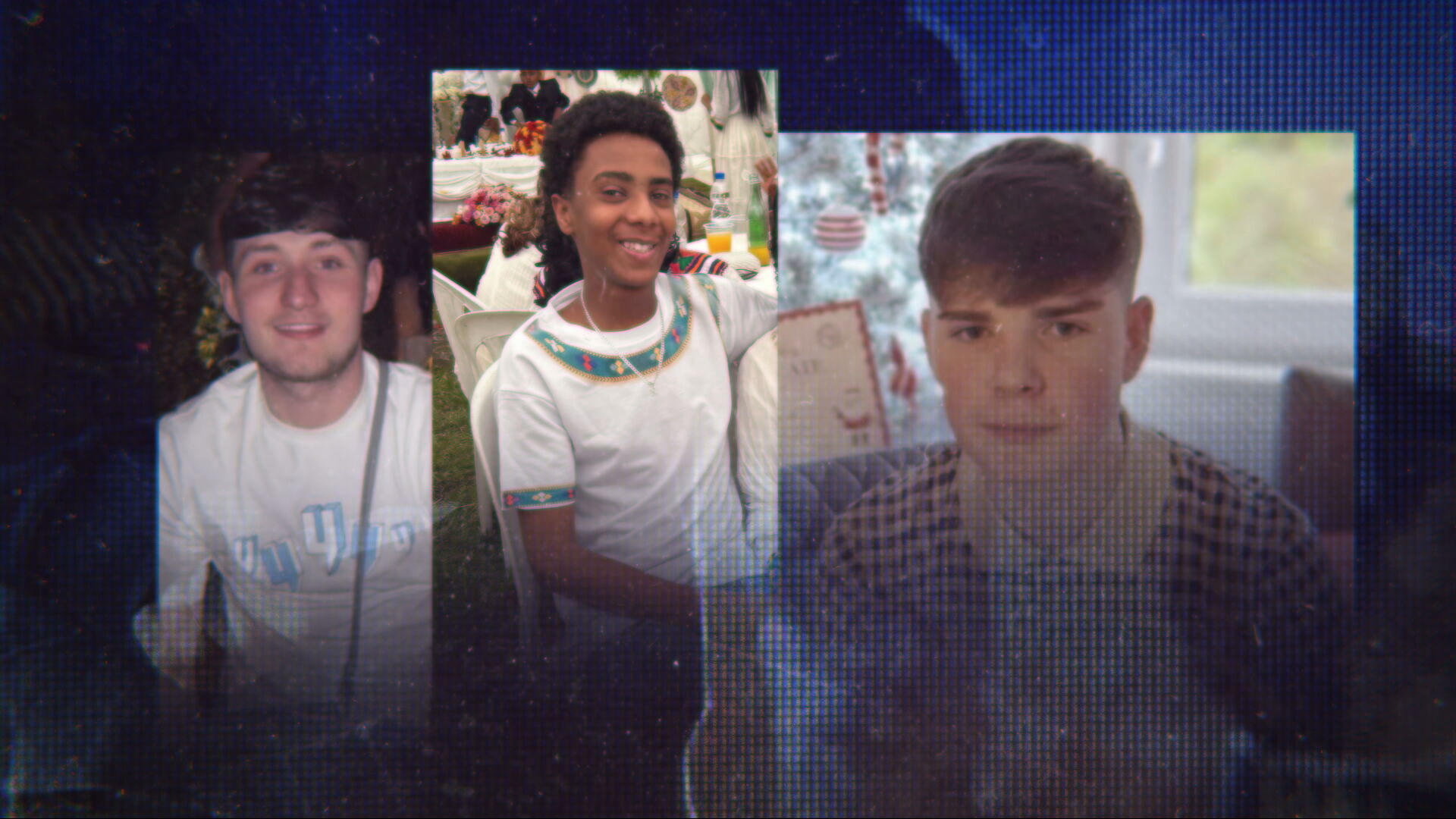
For Jamie, the consequences of youth violence are not abstract. The recent deaths of Kory McCrimmon, Amen Teklay, and Kayden Moy have brought renewed focus to knife crime in Scotland. He spoke to 15-year-old Amen just days before he was killed.
“I sat with him for hours speaking about the feud he was in. He left and I felt like I’d helped lift a weight off his shoulders. But then things kicked off again, and it ended up ultimately with his death.”
Police Scotland launched Operation Stardrop in 2025 following a series of fatal incidents involving young people. The operation coordinates intelligence, data, and research with partner organisations to protect children from violence.
Figures show the proportion of under-18s accused of violent crime is at its lowest level since 2020-21. However, the force reported a rise in attempted murders involving 16 and 17-year-olds, along with an increase in weapons recovered from young people.
A recent Scottish Violence Reduction Unit (SVRU) report, based on interviews with more than 600 young people, found many were fearful of becoming victims of violence.

 STV News
Since 2023, the Scottish Government has invested more than £8m in violence prevention programmes across schools, hospitals, and communities. A new awareness video was also released during Scotland’s first Violence Prevention Week.
But youth workers say marketing campaigns aren’t cutting through to the hardest-to-reach teenagers.
“It’s too top-down. No promotional campaign is going to feel real on the ground,” says Jamie. “You’ll see a poster that says ‘knife crime exists’ or ‘people have died’. It doesn’t feel relatable unless it’s somebody telling you directly. It’s not grassroots enough.”
Despite the grim headlines, Jamie says he has witnessed promising growth among young people in his community, including some who have taken up boxing and other positive outlets. He insists no young person is beyond help.
“I believe no person is hard to reach – you just need to speak to them and their families in a way they understand. I’m worried about taking a step back and not being here. Who else will fill that gap?
“There needs to be more street workers. You need people who take pride in the area and can influence young people to make better decisions.”
Other community leaders echo the call for relatable, street-level role models.
 STV News
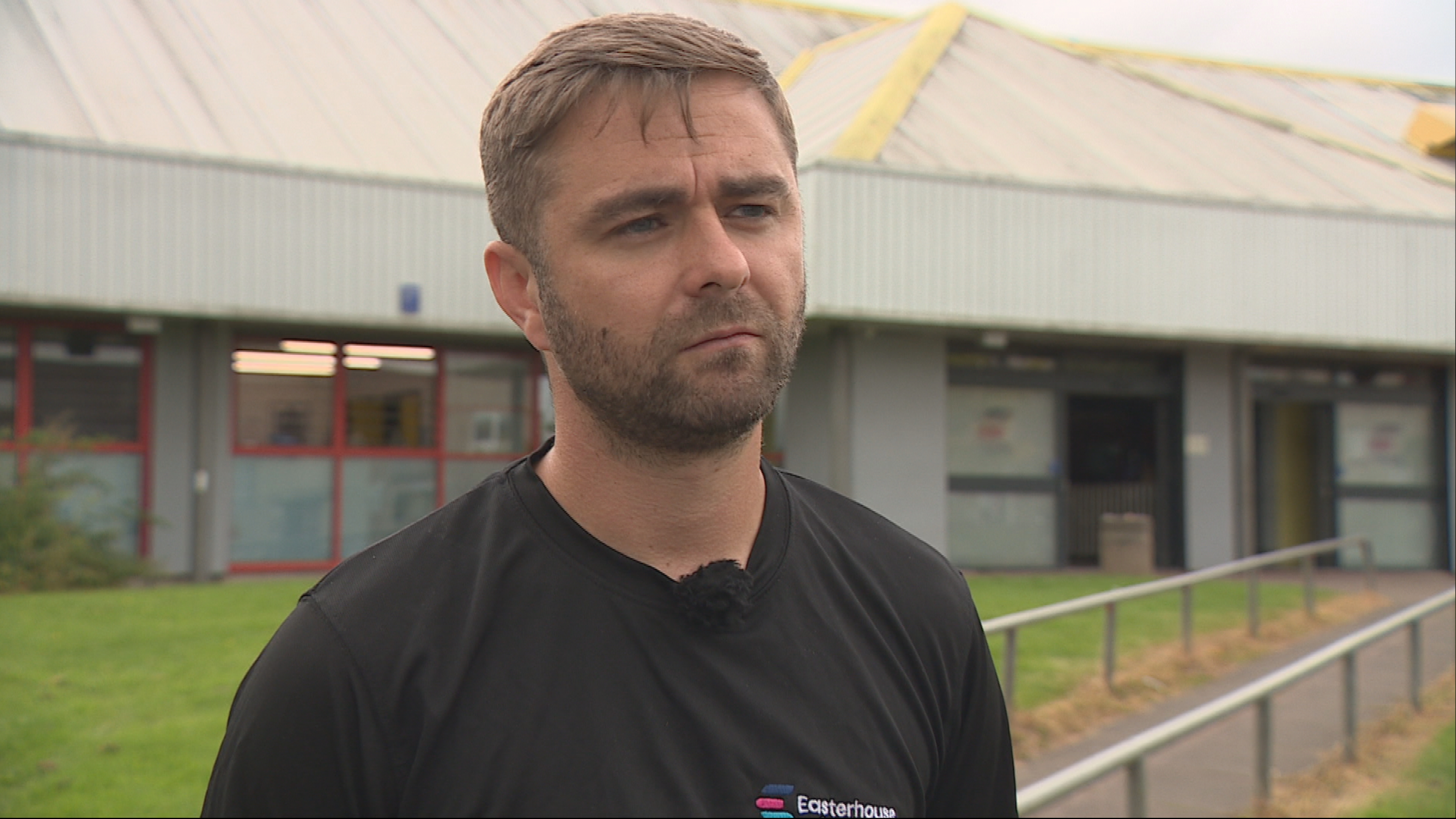
Kevin Martin, chief executive of Easterhouse Sports Centre, recently took part in a youth exchange with the Next Generation Youth project in Brixton, London.
He says the London organisation faces many of the same challenges as Glasgow – knife crime, anti-social behaviour, drug misuse, and retail crime – all rooted in poverty.
“Their project is purely youth-led,” Kevin said. “Young people with experience of knife crime, including time in prison, are helping reduce it in the community. They’re a wee bit ahead of Scotland in that sense.
“We need real people who have been there and done it. If you haven’t got real-life experience, young people won’t listen as much.
“It’s great having multi-partner agencies, but if you say that to young people, they’re not interested.”
Jimmy Paul, head of the Scottish Violence Reduction Unit, agrees that youth work is vital, but says that new challenges have accelerated post-pandemic.
He points to social media, the cost-of-living crisis, and wider family pressures shaping the lives of young people.
“We hear from young people all over Scotland about the normalisation of videoing and sharing violence,” Paul says. “Young people are telling us they’re scared of what they’re seeing on social media. Seeing peers carrying weapons on the street makes them feel they need to do the same – which actually puts them at greater risk.”
While some workers feel Scotland is lagging behind, Paul views the evolving landscape through a broader lens.
“When you treat violence as a public health issue, it’s a bit like ‘whack-a-mole’ – you solve one issue and another springs up.
“Change has never been this fast, but it will never be this slow again. We need to continue to anticipate the challenge, not just react to it.”
 STV News
Assistant Chief Constable Wendy Middleton, who helps lead Operation Stardrop, says police recovered 174 weapons from under-18s last year. She confirms that fear is the primary driver.
“What we’re hearing is that young people are scared and carrying weapons for self-protection,” Middleton says. “It’s an incredibly challenging climate for children right now. Social media is so prevalent that news moves quicker and fear is exacerbated. They don’t get a break or a chance to take themselves away from that space.
“My plea is please don’t carry weapons. You’re making massive decisions that will affect your whole life. The effects on families are devastating and enduring.”
For Jamie O’Neill, that central message cannot be repeated enough.
“The minute you leave your house with a knife, you’ve lost control. You’re not in charge anymore. You pull that out, there’s no going back – and I don’t want to have to tell another father his son has died.”
Follow STV News on WhatsApp
Scan the QR code on your mobile device for all the latest news from around the country