Staffing pressures meant pregnant women suffered delays of “potentially up to 190 hours” when being induced at a busy maternity unit, according to a report.
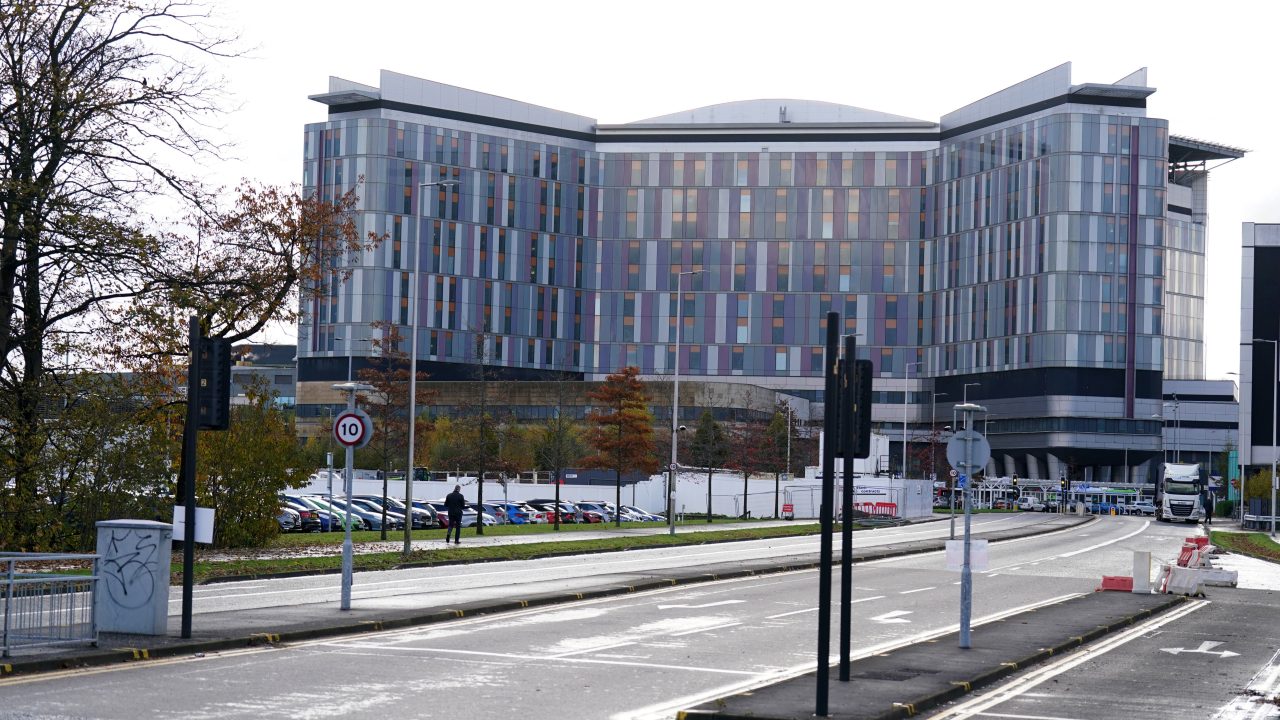
While Healthcare Improvement Scotland (HIS) inspectors saw delays of up to 21 hours in the process when they visited maternity services at Glasgow’s Queen Elizabeth University Hospital, their report added some women had to wait far longer.
“There was evidence of women experiencing delays which exceeded 100 hours, potentially up to 190 hours, due to staffing and capacity within the unit,” the report said.
HIS also said there were delays transferring women in labour to the labour ward at the maternity unit, with “at least” 128 women affected over a six-month period.
Inspectors, who made an unannounced visit to the centre early this year, found “many staff” were unable to take breaks due to work pressures, with the report stating this “appeared to become an accepted practice”.
The report also told how staff raised concerns about the skills mix of midwifery staff potentially “impacting on the ability to provide safe maternity care and maintain patient safety”.
Such delays can put both mothers and their babies at “increased risk”, it said.
Inspectors found a “disconnect with senior managers in relation to the reality of pressures facing the service”, saying staff described a “lack of senior manager visibility”.
The report further described a “lack of civility between teams in different clinical areas”, claiming some staff “described a reluctance to answer the ward phone” because of this.
It added: “We saw examples of rudeness and unprofessional behaviours evident between the multidisciplinary teams within correspondence reviewed.”
While the inspection team identified six areas of good practice within maternity services, they also made four recommendations and issued 26 requirements – areas where required standards had not been met and inspectors are concerned about the impact this has on women and families at the hospital.
HIS chief inspector Donna Maclean said as a result of the “continued lack of assurance in relation to governance and oversight of patient safety and the impact on the safe delivery of care”, inspectors had escalated concerns to the chief executive of NHS Greater Glasgow and Clyde and had also advised the Scottish Government.
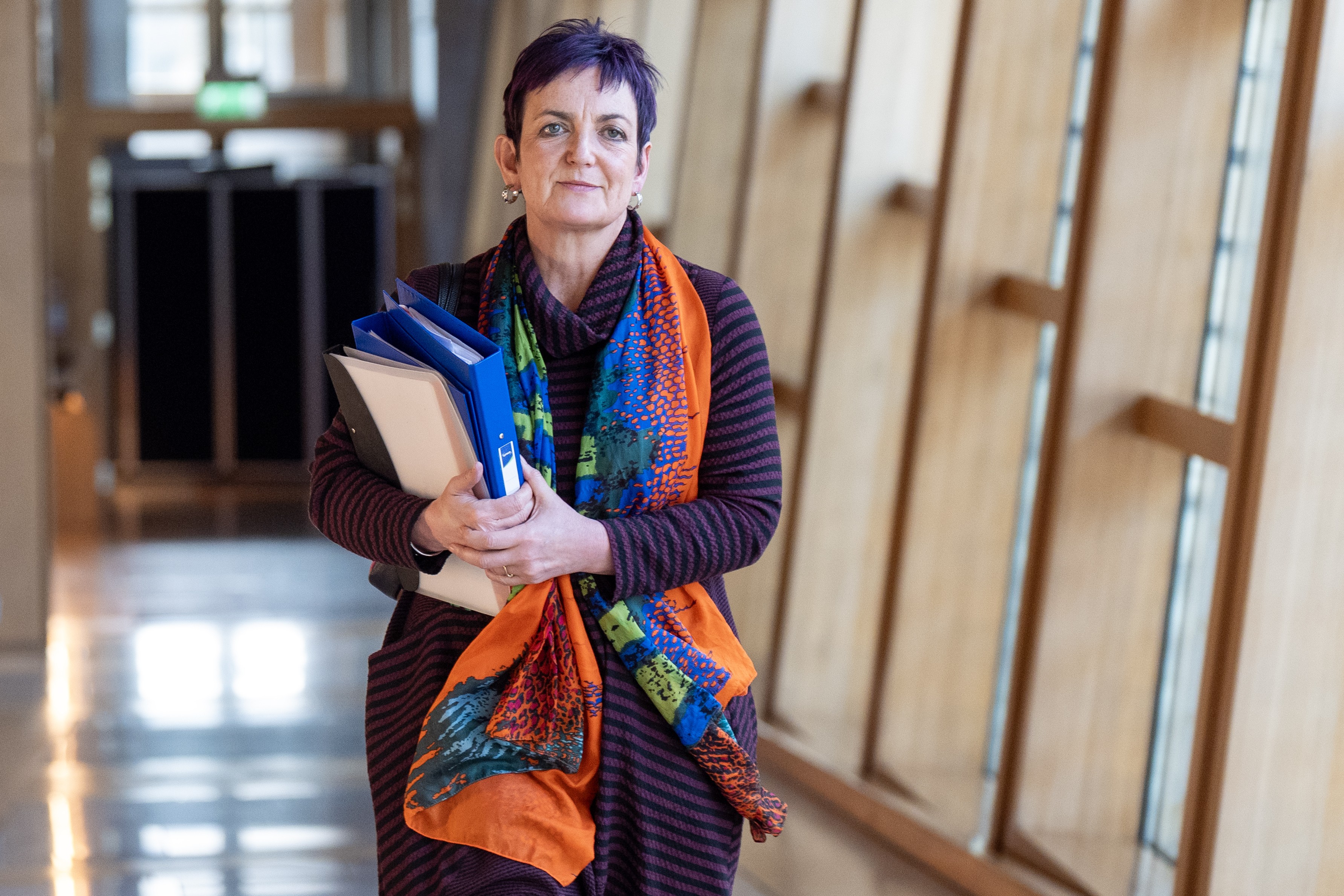
Health secretary Angela Constance said the report “identifies concerning issues” which she takes “very seriously”.
She said she has met the chief executive at NHS Greater Glasgow and Clyde “and stated my expectation that the board addresses the requirements and recommendations immediately”.
 PA Media
Inspectors, who made unannounced visits to maternity services at the hospital in January and February, said on their first day they found “concerns relating to poor general cleanliness of ward areas, poor compliance with some infection prevention control processes, fire safety regulations, medicines management and emergency equipment checks”.
Emergency trolleys, which provide immediate access to critical equipment and medication, were found by inspectors to have “expired equipment, expired emergency medication” and were also “visibly dusty”.
This was raised with senior managers, with the inspectors saying the next day out of date items had been replaced, but the trolleys “had not been effectively cleaned”.
The report also told of “occasions where staff missed opportunities to carry out hand hygiene, including before and after contact with patients”.
Inspectors also witnessed “noncompliance” with NHS uniform policy – which helps minimise the risk of infection – describing how “multiple staff” were seen wearing false nails, with hair below the collar of their unform, or wearing long sleeves and jewellery while providing clinical care.
Constance said she expects all health boards to “take note of this report and findings and to identify opportunities for local improvement, including the areas of good practice”.
The health secretary added: “I am clear that all women, regardless of where they live in Scotland, should receive the same high-quality, positive and personal care.
“When care doesn’t meet expectations or where things go wrong, I expect all health boards to listen to concerns from women and families and act urgently to improve this.
“While the report raises areas of concern, it’s important to be clear it does also highlight the kind care delivered to women, babies and their families, demonstrating key strengths in our maternity and midwifery workforce.”
She said the report and others by HIS would inform the approach ministers will take to the forthcoming independent review of maternity services.
Dr Mary Ross-Davie, director of midwifery at NHS Greater Glasgow and Clyde meanwhile said: “Providing good care and experience for our patients is our absolute priority.”
 PA Media
She said the board recognised the findings of the HIS report and had “further developed our improvement work to address the issues identified in a timely manner”.
Around 70% of the required actions have now been completed Dr Ross-Davie added, saying work on the remainder was “progressing at pace”.
She continued: “We are strengthening staffing and have invested more than £4m across our maternity services. This is the single biggest staffing investment across NHS Greater Glasgow and Clyde.
“As a result, 55 more midwives will have joined by October than when the inspection took place, with many already in place at the QEUH, representing a 10% total uplift in midwifery.”
She added the health board was “sorry that some women have experienced delays in accessing care in our labour wards”, saying that “improving this is a priority for us, and we are continuing to develop new pathways to reduce waiting times”.
Follow STV News on WhatsApp
Scan the QR code on your mobile device for all the latest news from around the country