 iStock
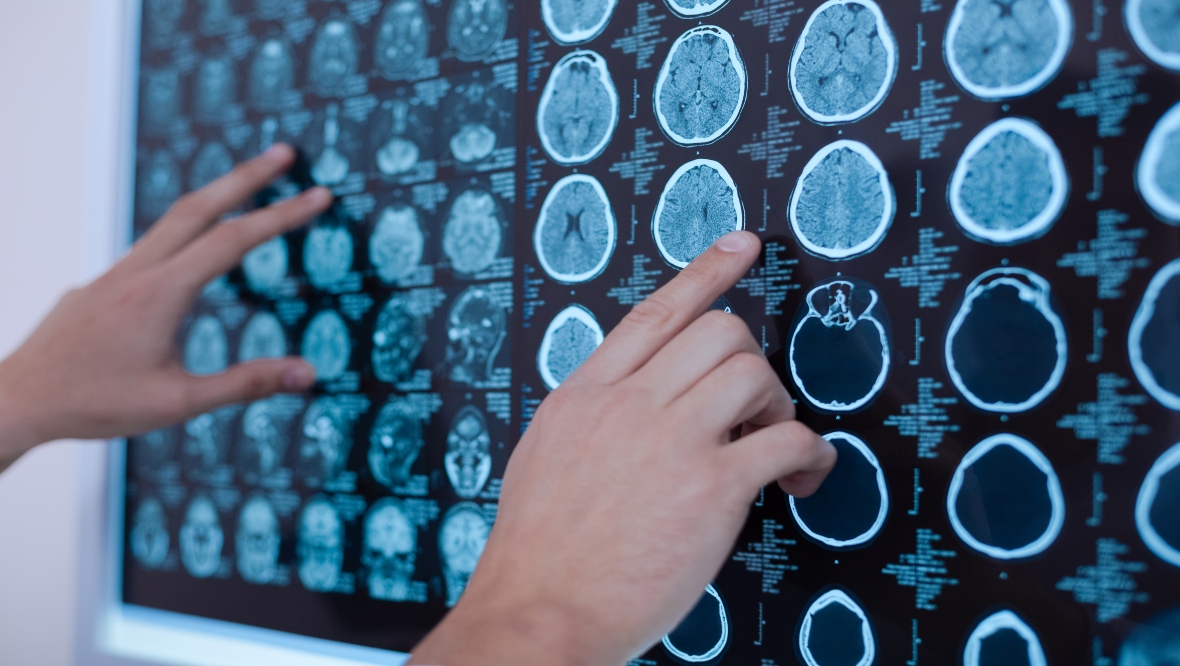
Scientists have found a window of opportunity to attack aggressive brain cancer with chemotherapy.
Instead of waiting for a few weeks after surgery to start chemotherapy, early research suggests that the treatment could be most impactful in the minutes and days after an operation to remove a glioblastoma.
The new study shows that the blood-brain barrier – a tightly packed layer of cells which protect the brain from harm but can also limit drug concentrations to the brain – is “disrupted” during two windows during the immediate and early periods after surgery.
Experts said that while the findings are still in their early stages, they could potentially reshape care for glioblastoma patients.
They said that the delay of four to six weeks between surgery and the start of chemotherapy and radiotherapy has “largely been regarded as a necessity to ensure complete recovery from surgery”.
But the researchers said that in the future, the findings could help medics when to “exploit” these windows of opportunity to attack the cancerous cells left behind after surgery.
It comes after Scottish swimmer Archie Goodburn made an emotional plea to Prime Minister Andy Burnham to establish a national brain cancer lead.
The 25-year-old, who was diagnosed with brain cancer when he was 22, described how trials around the world are not being seen in the UK which is “unfair and unjust”.
Speaking on BBC Breakfast, Goodburn was in tears as he said: “Please invest and make the difference. I’m on my knees begging for not just my own life but those who are affected and the families all around the country.
“This has to change, it has been going on for too long and the suffering is unbearable.”
The Prime Minister responded to the emotional plea by inviting Goodburn to meet him.
The authors of the new study, published in the journal Science Translational Medicine, said that the effects of glioblastoma removal surgery on the blood-brain barrier, and the impacts of chemotherapy, “have not been systematically studied” in the past.
Researcher’s from The University of Manchester performed mice studies to mimic the clinical procedure of removing a tumour and used a formulation which does not typically enter the brain unless there is disruption to the blood-brain barrier.
The research team found that the surgery disrupts the blood brain barrier “revealing the opportunity for early treatment unitisiation within specific temporal windows”.
There windows are 15 minutes and 48 to 72 hours post surgery.
They said that by “exploiting” these time frames, they “effectively suppressed tumour recurrence”.
Dr Thomas Kisby, co-lead on the study at The University of Manchester, said: “For the first time, we’ve shown that glioblastoma surgery briefly exposes a vulnerability we can exploit.
“If treatment is timed during specific windows we identified, it is able to halt the disease significantly before it regrows.
“We suggest that the hours and days immediately after surgery may hold the key to stopping glioblastoma from returning.
“It also raises the possibility that other established medicines could be redeployed in smarter, more strategic ways.”
Co-lead of the study, Professor Kostas Kostarelos, from The University of Manchester and the Catalan Institute of Nanoscience and Nanotechnology in Barcelona, added: “This research has the potential to open a new frontier in post-operative cancer care.
“After surgery, brain tumours often grow back from the tissue surrounding the area where the tumour was removed. We propose using the latest targeted treatments, including nanoparticle-based medicines, immunotherapy, and gene therapies, to treat this high-risk area and improve patients’ chances of long-term survival.”
Dr Gerben Borst, honorary consultant oncologist at The Christie NHS Foundation Trust, said: “One of the greatest challenges in treating glioblastoma is eliminating the microscopic cancer cells that remain after surgery.
“These findings suggest that a better understanding of the body’s natural response to surgery could help us deliver anti-cancer drugs more effectively, rather than relying solely on the development of entirely new and costly medicines.
“While this research is still at an early stage, it provides important insights into how drug delivery to the brain could be improved.
“Further research, including clinical trials, will be needed to determine whether this approach benefits patients. This work has the potential to provide a practical and rapidly translatable strategy for improving the treatment of glioblastoma.”
Professor Robert Bristow, director of the Manchester Cancer Research Centre, added: “Glioblastoma is the deadliest form of brain cancer, so these research results are incredibly exciting and promises a potential breakthrough in the work to stop the tumour cells growing back after surgery.”
Commenting, Dr Simon Newman, chief scientific officer at The Brain Tumour Charity, said: “This vital early-stage study illustrates the complexity involved in developing drugs to treat brain tumours because they must first cross the restrictive blood-brain barrier in order to target the tumour.
“Discovering that the blood-brain barrier may be more porous following initial surgery and that this may provide a therapeutic opportunity for drugs to access their target shows potential.
“The next step would be to ensure that these laboratory studies are translated through to clinical trials.
“The Brain Tumour Charity funds translational research including multiple studies looking at how to overcome the drug delivery hurdle. We are also proud to support the EPIC-GB clinical study which assesses which drugs can cross the blood brain barrier in patients.”
Follow STV News on WhatsApp
Scan the QR code on your mobile device for all the latest news from around the country