 STV News
Egyptian mummies have been removed from a Glasgow museum exhibition due to a lack of “consent from the deceased”, curators have said.
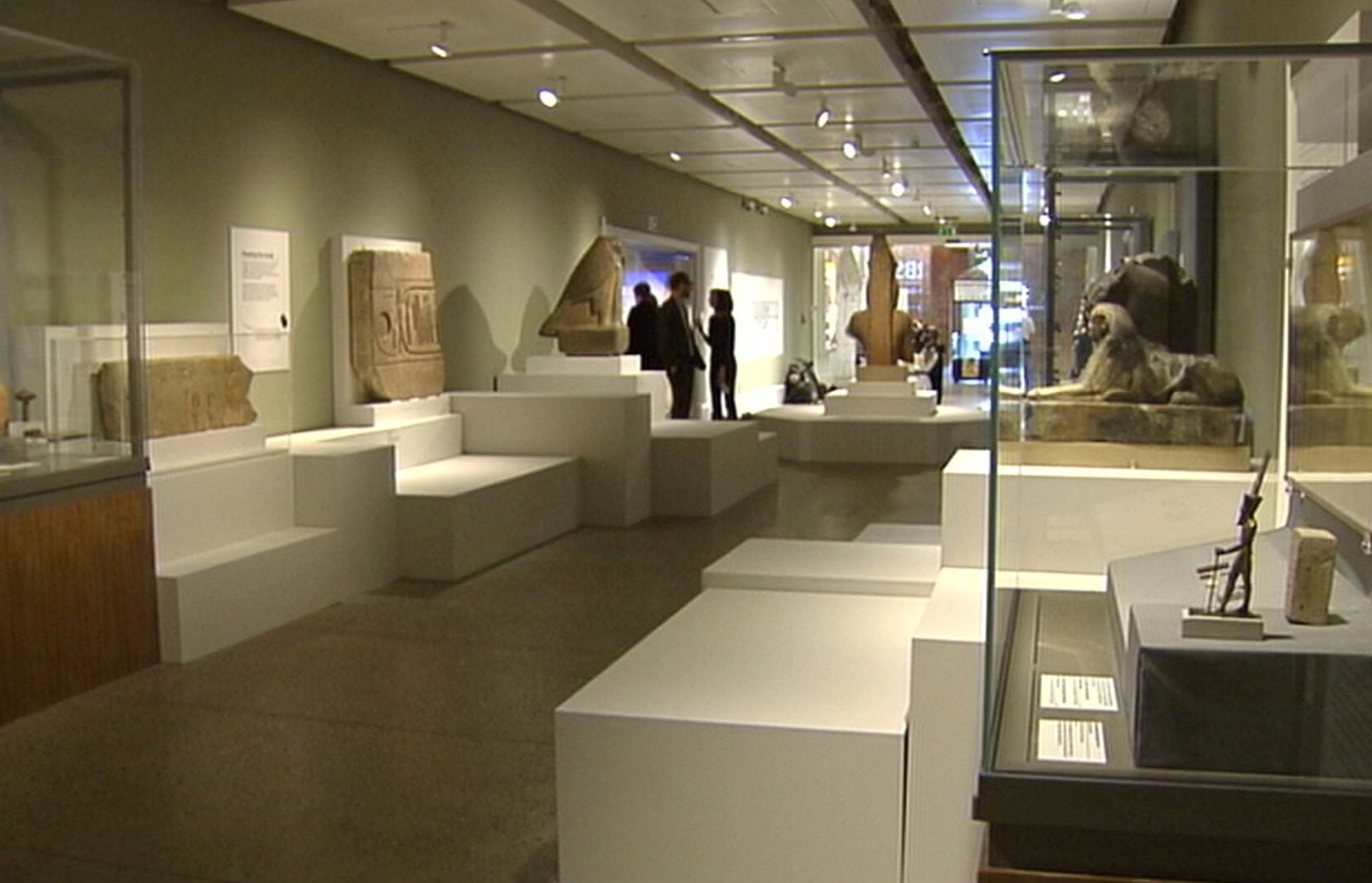
Visitors to the Kelvingrove Art Gallery and Museum found signs on a coffin in the History Discovery Centre explaining that mummified human remains had been removed from display.
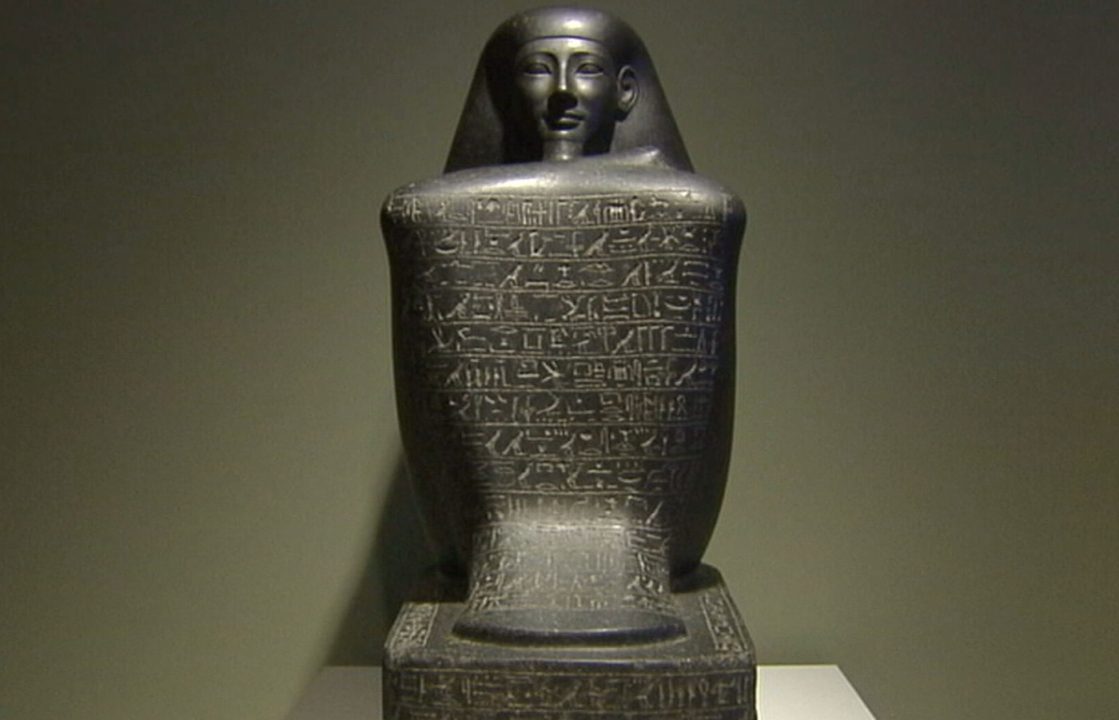
Alongside the remains of the priest Nekht, a mummified right hand recovered from the Valley of the Kings in Luxor, Egypt, and a male head and right foot have also been removed.
Why have the remains been removed?
Kelvingrove said their Human Remains Policy states that mummified bodies will only be displayed if there is “documented and informed consent” from the deceased individual.
In appropriate circumstances, their descendants can also lend approval.
If this is not obtained, Glasgow Life, which runs the museum and is funded by Glasgow City Council, said removing the human remains reflects “contemporary museum practice”.
The decision also comes after the International Council of Museums’ revised Code of Ethics was revised and published in June.
 STV News
A spokesperson for the charity said: “The International Council of Museums’ revised Code of Ethics, published in June 2026, states that ‘Museums should uphold the inherent dignity of human remains and promote respect for their significance.’
“The All-Party Parliamentary Group on Afrikan Reparations 2025 report, ‘Laying Ancestors to Rest’, also raises ethical concerns about the display of ancient Egyptian human remains due to the consistent disregard of the potential wishes of the ancestors and the intention of the communities that originally laid them to rest.
“Glasgow Life Museums’ draft Human Remains Policy proposes that human remains should only be displayed where there is documented and informed consent from the deceased individual or, in appropriate circumstances, their descendants.
“In the absence of such consent, we believe removing ancient Egyptian human remains from display is more respectful to the deceased individuals.”
Work remains ongoing to remove archaeological human remains from the History Discovery Centre and the Scotland’s Early People gallery in Kelvingrove.
A coffin and mummified human remains on display at St Mungo Museum are also in the process of being removed.
‘Colonial regimes of exploitation’ or ‘woke madness’?
The practice of displaying mummified remains as part of an interpretation of ancient history has become the subject of much ethical debate in recent years, despite many museums continuing to do so.
The 2025 report that Glasgow Life referred to, the All-Party Parliamentary Group (APPG) for Afrikan Reparations, called for an end to the public display of Egyptian mummies and other human remains.
The report described the practice as “non-consensual” and a “disregard of the potential wishes of the ancestors and the intention of the communities that originally laid them to rest”.
“The presence and public display of Egyptian mummified persons in UK institutions further reveal the extent of museums’ participation in colonial regimes of exploitation,” the report said.
MSP Murdo Fraser, Scottish Conservative culture spokesman, called the removal of the mummified remains “woke madness”.
He said: “This is woke madness at its most ridiculous. Even Egyptian mummies are now being cancelled by a society so obsessed with modern sensibilities that it has lost all sense of perspective.
“People visit museums to learn about ancient civilisations, not to see history hidden away because it fails to meet today’s ideological standards.
“Glasgow’s museums should be showcasing our history, not quietly removing it to appease the latest trend in political correctness.”
Follow STV News on WhatsApp
Scan the QR code on your mobile device for all the latest news from around the country