 Adobe Stock
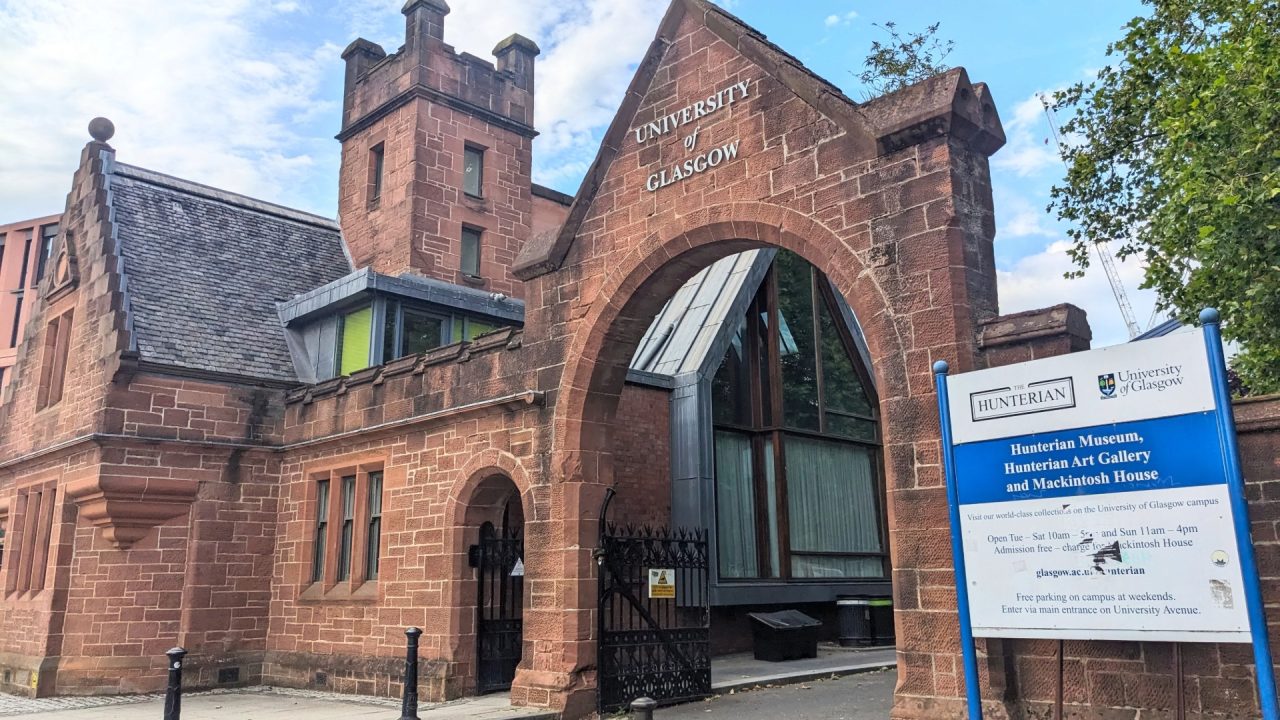
The University of Glasgow has removed the mummified remains of an Egyptian woman from public view, citing ethical concerns.
The remains of Lady Shep-En-Hor are one of the Hunterian Museum’s most popular exhibits, with the semi-opened sarcophagus being on near-continuous display since 1820.
The exhibit has recently underwent a review in line with the changing attitudes towards displaying human remains for public view.
Conversations surrounding the Lady Shep-En-Hor included repatriation to Egypt, removal from display, or just displaying the sarcophagus and retaining the mummified remains in “dignified storage”.
A spokesperson said: “The Hunterian is also re-assessing what will be on display to the general public and as part of its duty for the respectful care of these collections, it has decided to no longer put human remains from outside the UK on open display.”
“After in-depth consideration and consultation with experts, including Egyptologists, the Hunterian has decided to continue to display Lady Shep-En-Hor’s sarcophagus as a fine work of Late Period Ancient Egyptian funerary art, but to cover the mummified person, so she can no longer be viewed.
“The Hunterian takes the view that the Lady Shep-En-Hor deserves privacy in death, while retaining its commitment to providing visitors, students and staff with an accessible introduction to the importance of Ancient Egyptian culture for an understanding of the world’s history.”
It comes amid a wider review of The Hunterian’s collection of human remains as part of efforts to become a “more ethical institution”.
Kelvingrove Art Gallery and Museum have also removed several artefacts from display, including Egyptian mummies, due to “lack of consent from the deceased”.
Follow STV News on WhatsApp
Scan the QR code on your mobile device for all the latest news from around the country