 iStock
Trade unions are to protest Glasgow City Council’s new proposed pay and grading system which could see thousands suffer a cut in wages.
Councillors are set to be asked to back the phased roll-out of new terms and conditions for just under 24,000 non-teaching staff from April next year, when they meet on Thursday.
If approved, the plans will cost the council around £170m in backdated payments and around £65m in wages next year.
Around 80% of staff have already had their roles evaluated and will be ready to move onto the new pay and grading scheme in April.
Union chiefs claim thousands of workers would face an immediate cut in pay, with some losing up to £10,000, with six months core pay protection.
Since 2018, the council has made £770m in compensation payments to thousands of former and current staff.
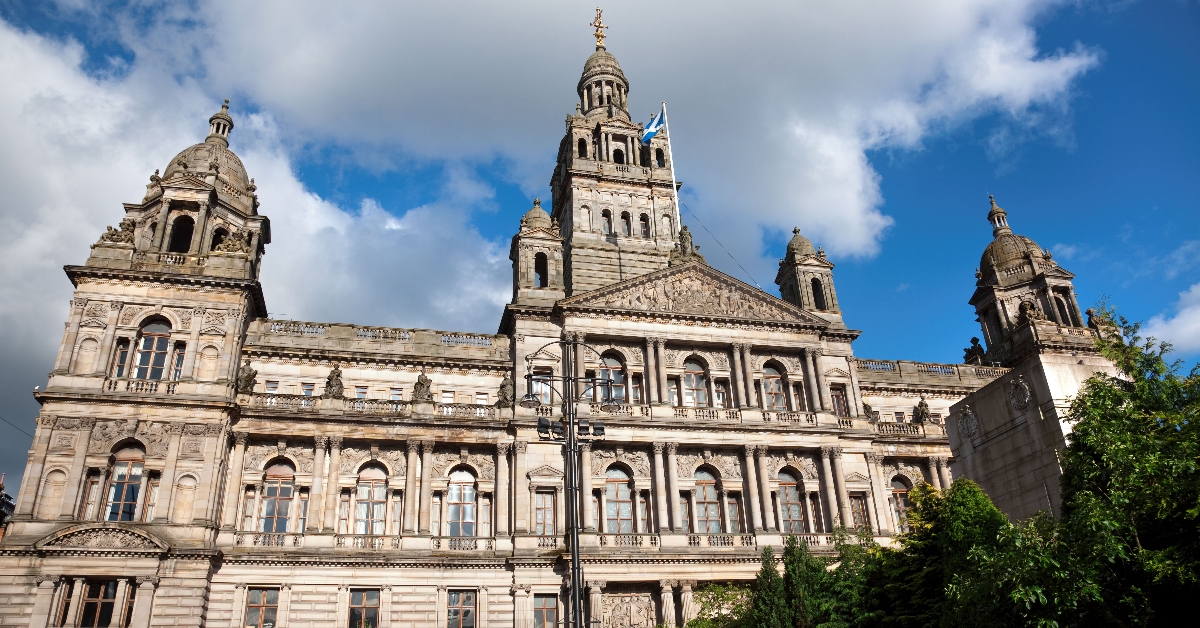
The three unions are planning to protest outside the City Chambers on Thursday when councillors on the City Administration Committee are due to vote on the proposal.
Trade unions Unison, GMB and Unite will hold a demonstration on Thursday outside the City Chambers when councillors who sit on the City Administration Committee (CAC) are due to vote on the proposal.
Chris Sermanni, Unison Glasgow city branch secretary, said: “If our elected members are serious about equal pay, then they must reject these proposals out of hand and commit to further investment in the ongoing pay bill and implementation costs.
“Without this additional investment, the new pay and grading structure will devastate the lives of workers and their families, as well as the services provided to the people of Glasgow.
“They must learn from mistakes made in the past and understand that equal pay cannot be delivered cheaply. We need politicians who will stand up for what the city needs”
Eddie Cassidy, Unite the Union convener, said: “Unite have made our feelings very clear that we are not satisfied with the council’s proposals for equal pay.
“Unite believes that these proposals, as they stand, fail to provide guarantees to groups of workers, including low-paid females, who have been underpaid for years. They will also cause further division within the workforce and could potentially lead to further litigation claims being brought against Glasgow City Council.
“Unite appeals to the elected members not to turn our city into another Birmingham and to reject the councils’ proposals on the new pay and grading structure.”
The local authority has acknowledged that the plan would leave some roles “in detriment” and said that it will explore “every possible mitigation” to help those affected.
Where earnings decrease, pay will be protected for six months, while a new system of allowances and standardise the approach to public holidays will also be introduced.
Glasgow City Council leader Susan Aitken said: “I’m very conscious that, while this process is the end of a decades-long fight for equality for many of our staff, a smaller number are going to find it difficult.
“Where workers are facing a reduction in their earnings, that’s going to have a very real and very personal impact – and that’s something we all need to be mindful of.
“I’ve written to the chief executive to ask that we explore every possible mitigation, without compromising the integrity of the scheme.”
The local authority has said that only a new pay and grading scheme can eradicate historic pay inequalities.
Ms Aitken added: “When I became leader in 2017, Glasgow was trying to outrun an equal pay problem that was not only always going to catch up with it, but was getting bigger and bigger every day.
“None of this has been easy, but I think it’s now generally accepted that the consequences of not stepping forward to negotiate in good faith would have been catastrophic.”
Follow STV News on WhatsApp
Scan the QR code on your mobile device for all the latest news from around the country