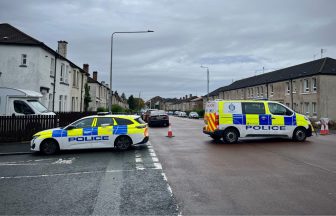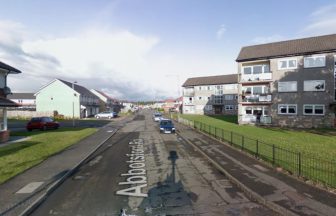
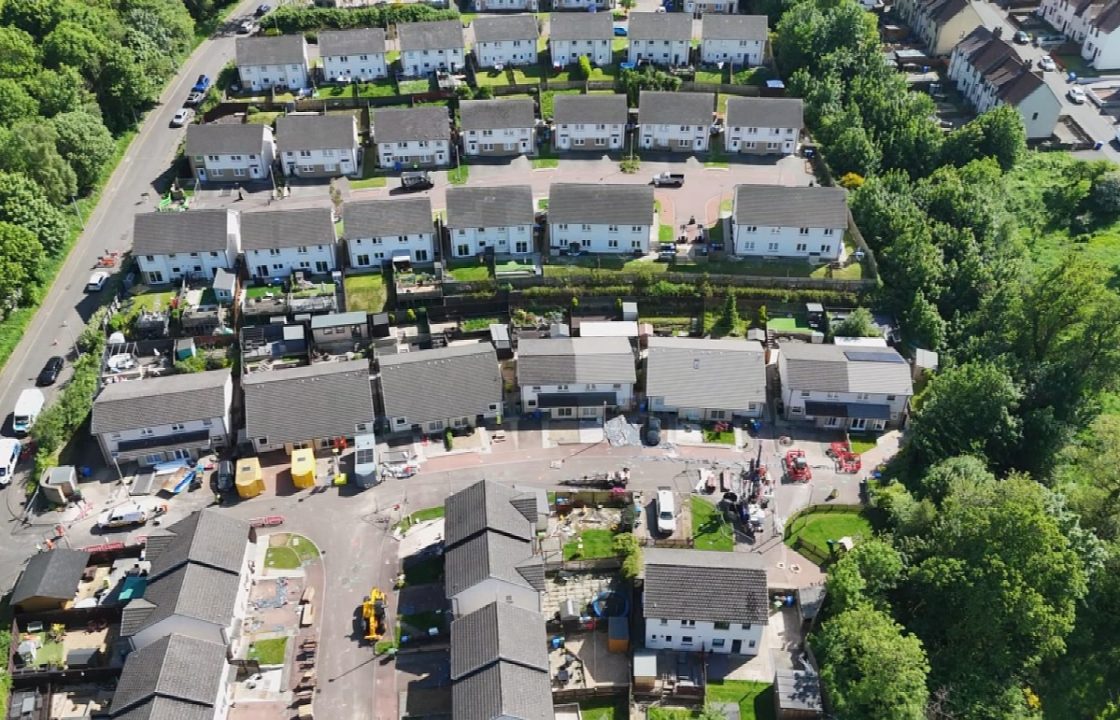
Two streets of properties affected by ground movement in a former mining village in Clackmannanshire are to be demolished.
Nearly 100 residents have been forced to leave their homes in Coalsnaughton after ground movement caused slabs to buckle, driveways to slope, and cracks to appear in some homes.
The first residents were evacuated on May 18, with many of them staying in nearby hotels and student accommodation for more than two months.
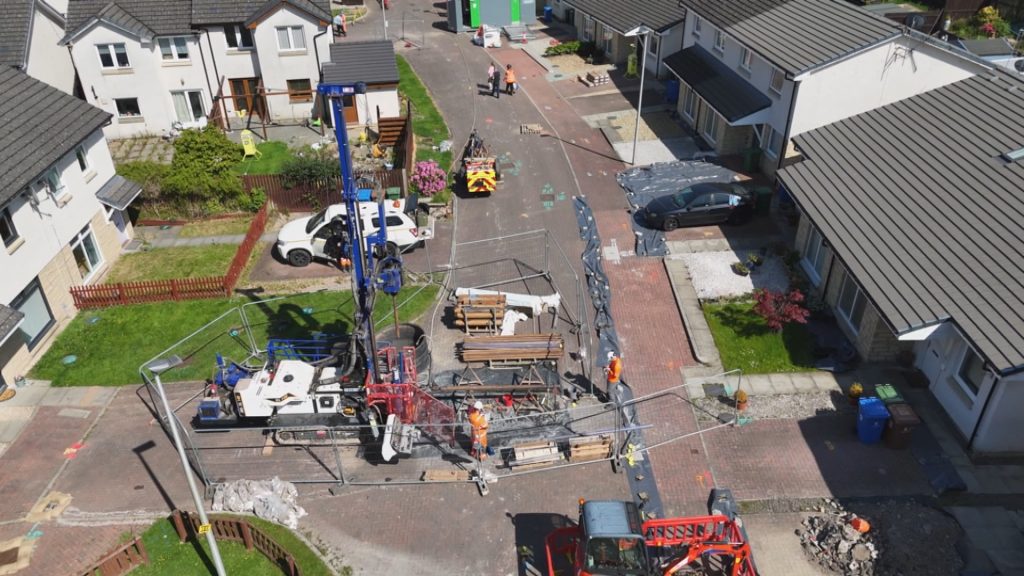
After confirmation that the movements were linked to historic coal mining below the neighbourhood, the Mining Remediation Authority (MRA) launched an investigation.
 STV News
At a meeting on Thursday evening, the MRA told affected residents that 60 homes on Benbuck View and Dunmoss View are to be demolished.
Carl Banton, chief operations director for the MRA, said the homes have been assessed with damage and risk severity “beyond the point of rehabilitation”.
He said: “We know this is very difficult news for residents and their families. It is not a conclusion we have reached lightly, but it reflects the level of damage, the work that would be needed to make the ground safe, and the importance of giving people a clear, safe and practical route forward.
“In other affected areas, the position is different. At Langour, where movement has been more limited, repairs are expected to follow once ground stabilisation has taken place. Further stabilisation is also planned near Nechtan Drive, alongside road repairs on The Glen.
“Dedicated support remains in place for affected households through named contacts, account managers and our local community liaison officer, with partners working together so support remains coordinated and practical.
“We will continue to approach this work with care, clarity and respect, making sure those most affected hear important information directly and have the opportunity to discuss their own circumstances.”
Nikki Bridle, Chief Executive of Clackmannanshire Council, said: “My thoughts continue to be with all the residents affected by this unprecedented incident.
“Today my heart goes out to those who have now heard their homes are beyond repair and that they will not be able to return to them.
“While this news offers some clarity to those residents, who can perhaps now begin to move forward with a plan, I appreciate it remains a deeply unsettling and worrying time.
“We will continue to work with partners, including the MRA who have assumed responsibility for the remediation process, as we move deeper into the recovery phase of the incident, and we will continue to support our Coalsnaughton residents as they navigate the next steps.”
In other less affected areas, repairs are expected to be carried out once ground stabilisation work has taken place.
Energy Minister Michael Shanks said: “This is a deeply challenging time for the families who have had their lives turned upside down.
“My thoughts are with those who have received extremely difficult news this week that their home is not safe to return to. I want to reassure these families again that no one will be left to shoulder the burden alone.
“The UK Government will continue to do everything within our power to support residents and families through the next steps as quickly as possible – either into a new home, or ensuring others can return home where it is safe to do so.
“The safety and wellbeing of residents is our utmost priority and the Mining Remediation Authority has carried out thorough investigations to reach these outcomes. We continue to work side by side with the Scottish Government and Clackmannanshire Council to ensure the right support is in place for all those affected.”
The Scottish Government previously committed £1m to support Clackmannanshire Council in its initial response, and said it would continue to participate in the resilience and recovery operation.
Cabinet Secretary for Housing and Social Justice Shirley-Anne Somerville said: “I understand this will be very difficult news for residents and recognise the significant stress and uncertainty this situation has placed on so many people who have already been out of their homes for some time.
“Responsibility for remediation rests with the Mining Remediation Authority and UK Government and so I expect necessary work to remediate the site and compensation claims to be dealt with as a matter of urgency.
“We have provided Clackmannanshire Council with a package of up to £1m to support residents affected. We continued to work closely with the Council and the UK Government to ensure the right support is in place and a swift resolution is found to assist all those affected.”
The MRA highlighted concerns about treatments undertaken in 2008 to stabilise the ground, prior to many of the homes being built, when it released its initial findings last month.
In a ten-page report, the organisation revealed some parts of the neighbourhood have subsided by up to 0.6 metres – nearly 2ft – since 2018.
The report said the works appear “to have provided only partial ground treatment” and noted uncertainty over “whether deeper seams were investigated”.
It said other factors, such as shallow landsliding and infrastructure failure, were less likely to have primarily caused the ground movement earlier this year.
Follow STV News on WhatsApp
Scan the QR code on your mobile device for all the latest news from around the country