

When Julie Keegan and Angus McLean took their unwell newborn son to a Glasgow hospital, they were told he “just needed a good feed”.
One hour after those assurances were made, he was dead.
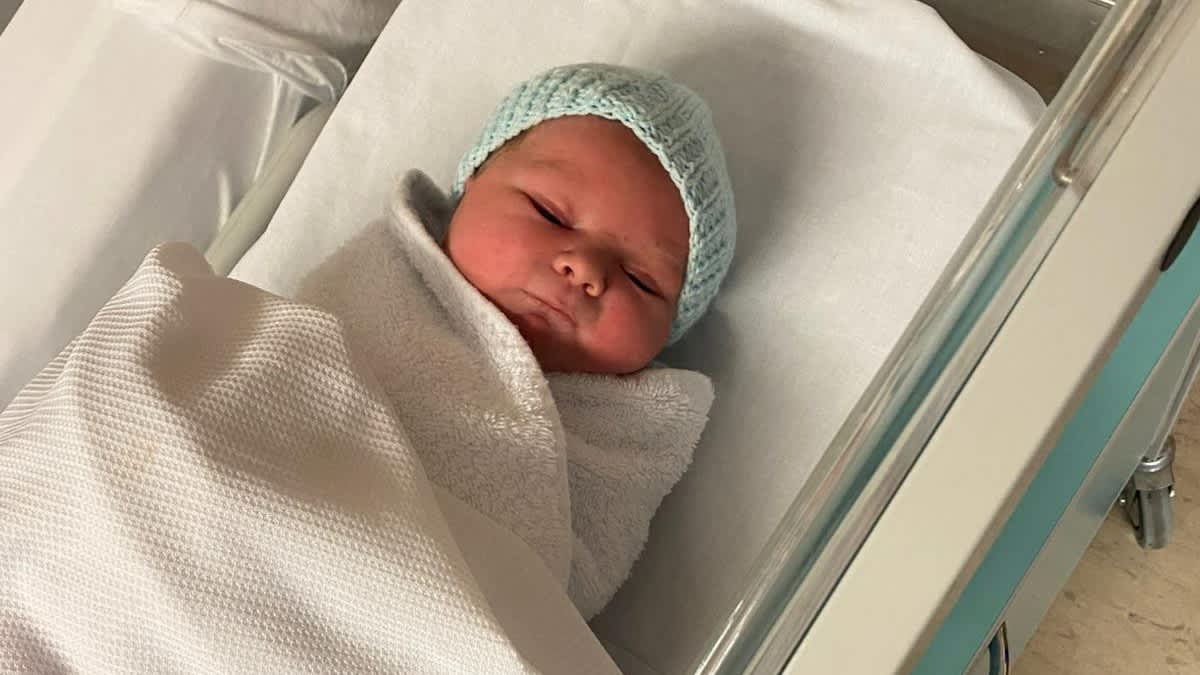
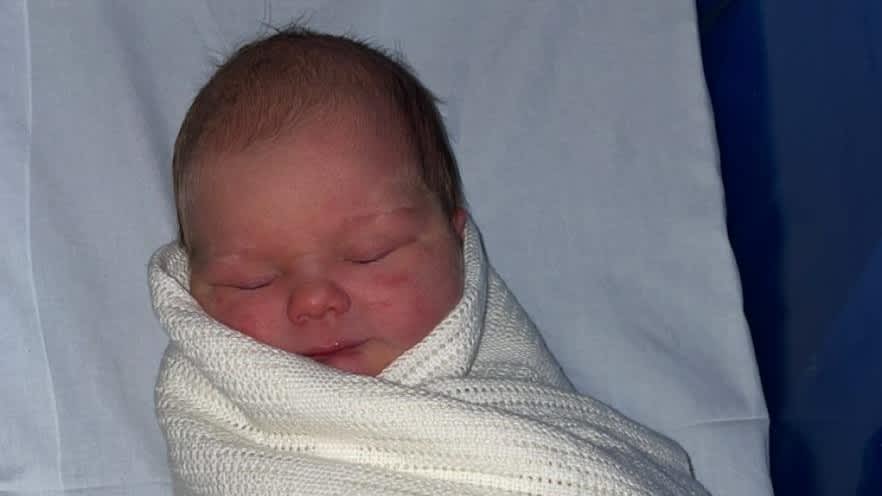
Mason was just three days old when he died in January 2023, partly as a result of sepsis.
Ms Keegan had a healthy pregnancy and straightforward delivery. But a subsequent investigation found a series of failings in Mason’s care — including missed opportunities to identify how sick he was, communication breakdowns between medical teams, and delays in recognising the severity of his condition — played a part in his death.
More than three years later, his parents are still searching for answers.
Scotland is the only UK nation yet to have a full, national, independent review into maternity services. While the Scottish government has said a review will begin in September, no date has been set yet.
According to parents like Ms Keegan and Mr McLean, it is an intervention that is long overdue.

Mason had spent only one night at home before his parents became concerned about his refusal to feed, a change in his colour and a drop in his temperature.
After a visit from the community midwife, the family was reassured that all tests showed Mason to be within normal vital ranges despite having not fed in almost 10 hours.
The midwife noted a slightly low temperature, which improved after she advised skin-to-skin contact.
But Ms Keegan and Mr McLean remained concerned when Mason still refused to feed.
Despite assurances that the maternity ward they had been discharged from would be there to help, the couple was wrongly told over the phone that they could not bring him in to be checked.
Instead, NHS 111 advised them to take him to The Royal Children’s Hospital A&E within Glasgow’s Queen Elizabeth University Hospital.
There, they spent three hours going through triage and initial assessments, where key information was not passed on, and tests that would have helped determine how sick Mason was were not carried out.
This included an incorrect temperature being recorded.
The Serious Adverse Event Report (SAER), carried out by NHS Greater Glasgow and Clyde (NHSGGC) after Mason’s death, found that when his “temperature was not recordable, it should have been rechecked by other means, either digitally or by continuous temperature monitoring. Baby A’s temperature should not have been recorded on the ED chart as 35C.”
The report said this “may have resulted in different actions, including more frequent observations”.
After Mason was transferred to the neonatal unit, key information pointing to the severity of his condition was missed during a series of medical staff handovers.
Ms Keegan told ITV News that an hour before Mason’s death, she was told he “just needed a good feed”.
When a blood gas test was finally ordered, the doctor noticed underneath his blanket that Mason had become pale and unresponsive.
It was at this point, his mother said, staff started “screaming”.
“When she put him on the table, they didn’t know how to turn on the equipment,” Ms Keegan said. “She was screaming, ‘How do you turn this on? How do you turn this on?’ It was honestly like a horror.”
The SAER found there was a period during resuscitation where staff disagreed about how many chest compressions Mason should have been receiving.
Ms Keegan and Mr McLean were removed from the room shortly afterwards before returning to say goodbye to their son.
Now, Mason’s family say Scotland’s forthcoming review of maternity services must confront what has gone wrong in the past, rather than focus solely on the future.
Ms Keegan said more must be done to prevent similar avoidable deaths.
“If you are a healthcare professional, if you’re a nurse, doctor, midwife, anyone, you have people’s lives in your hands,” she said.
“You’ve got people’s children’s lives in your hands, and you need to be held to high enough standards to care for people.”

In a letter sent to Julie Keegan and Angus McLean in September 2024, seen by ITV News, NHS Greater Glasgow and Clyde accepts fault over their baby’s death following the Serious Adverse Event Review.
“The conclusion of the report demonstrates that issues were identified that directly caused Mason’s death.
“We did not provide the services Mason and you deserved or should have expected to receive. We are committed to accepting responsibility for the shortcomings and from learning from those errors.
“On behalf of NHS Greater Glasgow and Clyde, from my Directorate and my Services and in particular, from myself, I offer my unreserved and most heartfelt apology to Mason, to you both as Mason’s loving parents, and to your family.”
A survey by the Royal College of Midwives in Scotland, of more than 400 members over a single week in June, found that the vast majority (89%) believe staffing levels affect the quality of care they’re able to give to women and babies, with 72% saying their team was not safely staffed over the week.
And despite the birth rate in the country falling, those working in the sector say times are more challenging than ever.
Jackie Lambert, the Director of the Royal College of Midwives in Scotland said: “Yes, we have less people giving birth, but the reality is there’s much more complexity.
“Evidence changes, people need more appointments, more time, more scans. And that means that the workload has also changed hugely.”
She says that though she’s optimistic about the upcoming review into maternity services, the real focus needs to be improvement of staffing levels and experience, rather than hundreds of recommendations.
“I think we have had the best maternity services. And in Scotland, people used to come from all over the world to train this midwife here because we had amazing maternity services.
“We need to regain that and we need to believe not just in words but in actions… And that means you actually have to invest in the things that we know are going to make a difference. But they can’t happen by ticking a box.”
Follow STV News on WhatsApp
Scan the QR code on your mobile device for all the latest news from around the country