 STV News
Young people heading to university or college for the first time are being urged to get vaccinated against meningitis B after an immunisation programme was launched across Scotland.
The vaccine is being offered following recent outbreaks in the UK and aims to protect students at higher risk of infection as they prepare to start the new academic year.
An immunisation programme was announced after two teenagers died in an outbreak in England in March.
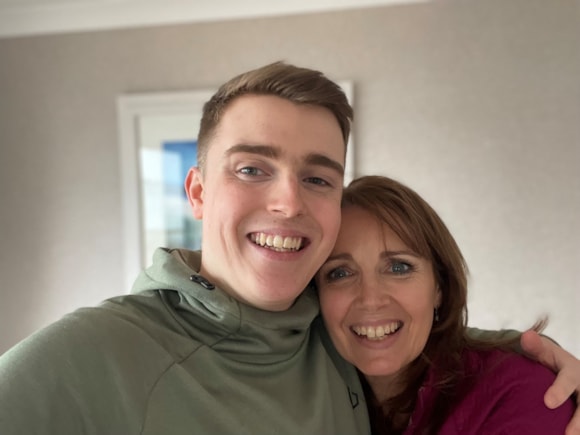
Gaynor Simpson, whose son Ross was left fighting for his life after contracting meningitis during his first year at university in 2023, has backed the campaign to encourage eligible young people to take up the vaccine.
Meningococcal B bacteria spread through close contact, including living in the same household, kissing, or sharing items such as drinks or vapes.
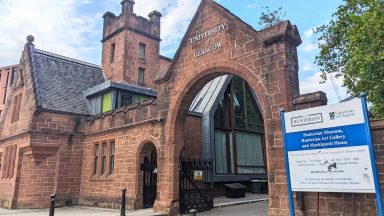
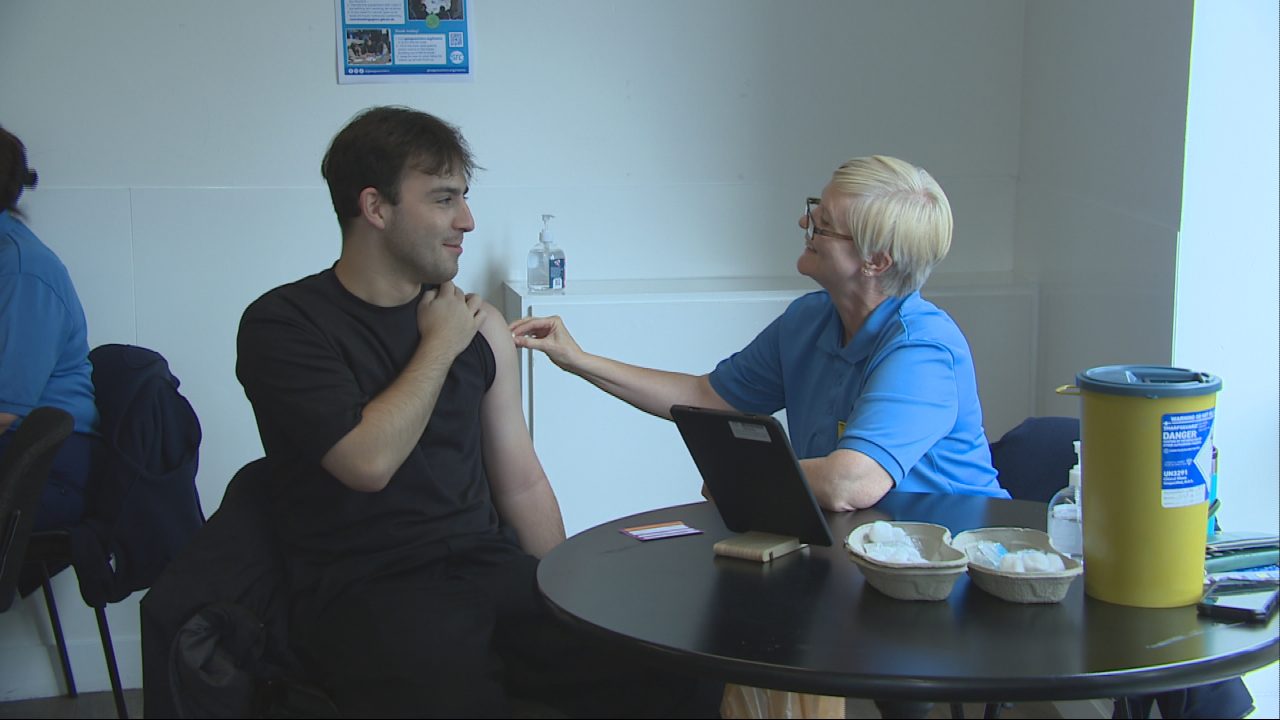
At a drop-in clinic at Glasgow University, young people have been getting the jab to protect themselves against meningitis and sepsis.
“There’s a lot of stuff going around coming into Freshers,” one student said. “Meningitis B is one of the scariest things. Might as well be protected and not take that risk.”
 STV News
Another said: “It’s important. It’s about public safety, keeping yourself and others safe.”
“It’s important to make sure everyone around you is okay, and you’re fine as well,” one added.
The vaccination programme was introduced after two teenagers died in Kent in March.
Those eligible include first-time students and anyone who recently finished S6.
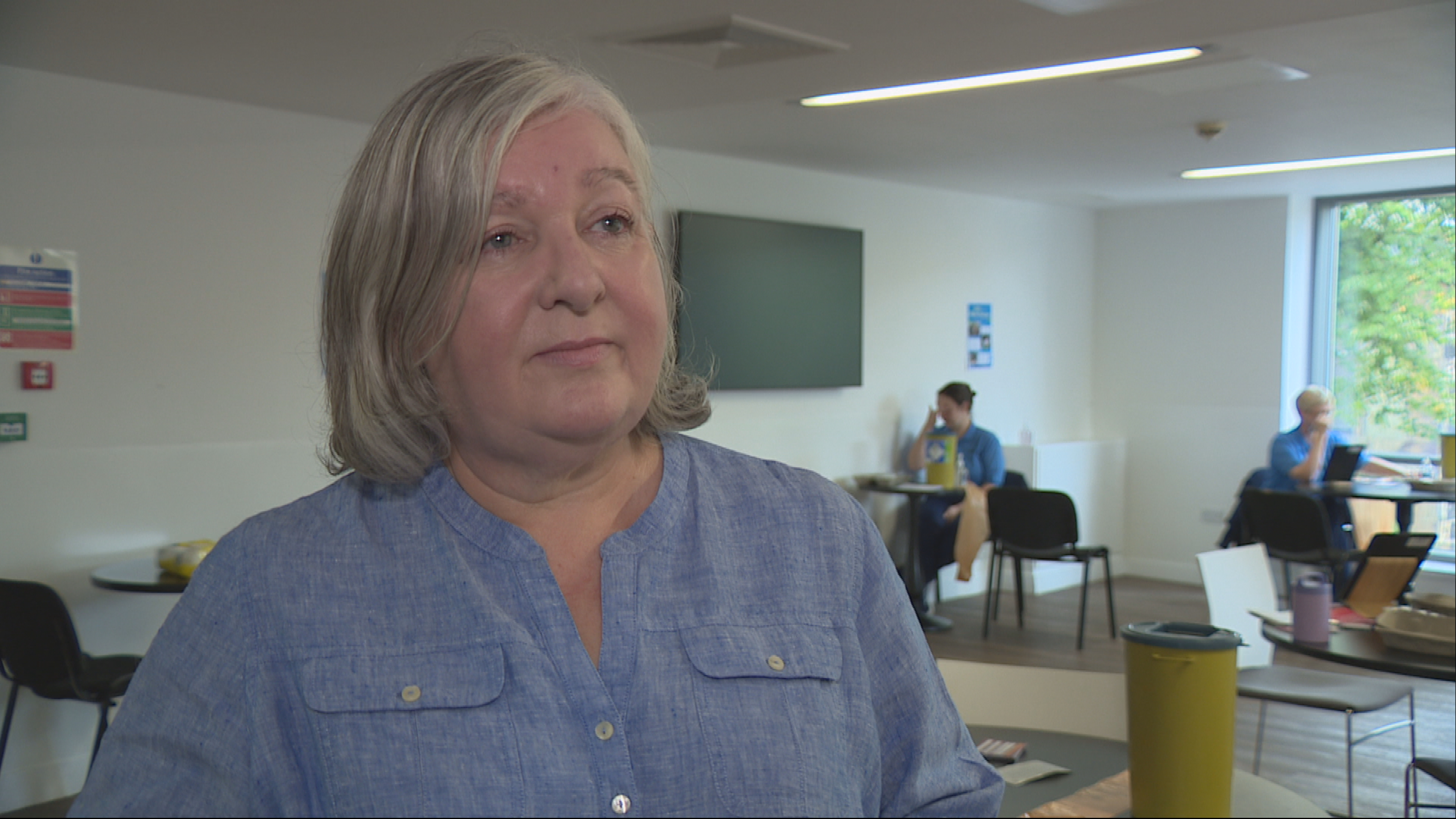
Nurse Kerry Cassells said: “[Students] are potentially more at risk because of the fact a lot more sharing of vapes, etc. Bacteria can be shared through kissing and smoking, and being in close proximity to others makes you more susceptible.”
“It’s not just for the prevention of big outbreaks, but for individual cases as well.”
Gaynor Simpson’s son Ross fell ill with meningitis during his first year at university in 2023.
The 18-year-old reported feeling unwell before being rushed into intensive care just hours later.
“Ross became critically unwell after just feeling a bit under the weather,” Gaynor said.
 STV News
“It quickly escalated into a situation where it was unclear whether or not he would survive.
“To see your healthy, thriving 18-year-old child go from feeling a bit off colour to fighting for his life in ICU within the space of a few hours is a feeling that we, as parents, will never forget.
“We are immensely grateful that despite the severity of the infection, he is still with us. It is a very long road to recovery from meningococcal disease, and as we have seen from recent outbreaks in the UK, others are not so lucky.
“It is a cruel and unforgiving disease that takes effect at terrifying speed. Given our experience, I can’t stress enough to young people and to their parents how important it is to take up the full two-dose offer of the MenB vaccine. It could save your child’s life.”
Two doses of the vaccine are needed at least 28 days apart for full protection.
The MenB vaccine is being offered to:
- Young people born between March 1, 2008 and February 28, 2009, and any others who were in S6 during the 2025-26 academic year, regardless of future education plans
- Undergraduate university entrants under the age of 25 who are starting for the first time in the academic year 2026-27, including international students
- College entrants under 25 starting for the first time in the academic year 2026-27 while living away from home in shared student accommodation, including international students.
Additional drop-in clinics are planned this month at Clydebank Health and Care Centre, Port Glasgow Health Centre, Eastwood Health Centre, Queen Elizabeth University Hospital, Greater Easterhouse Supporting Hands, Kirkintilloch Town Hall, Renfrew North Parish Church and The Whiteinch Centre.
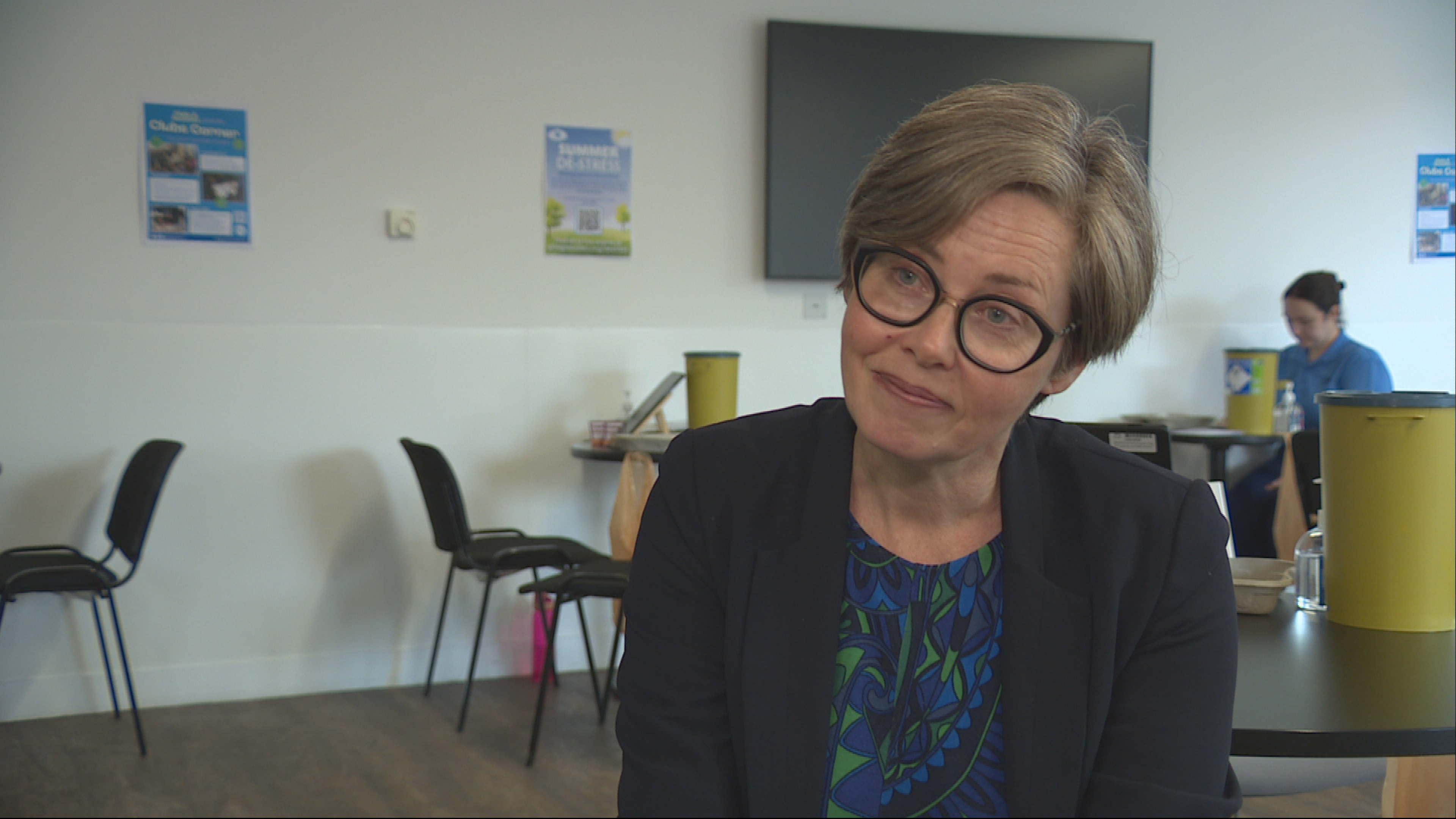
Consultant in Health Protection at Public Health Scotland, Dr Claire Cameron: “Usually what happens is they are individual, sporadic cases that may not necessarily be included in clusters, and that’s why it’s important for everybody to take up this offer of vaccination.
 STV News
Dr John O’Dowd, interim director of Public Health at NHS Greater Glasgow and Clyde, said: “Meningococcal disease is rare but extremely serious, and it can progress very quickly. Vaccination is the most effective way to protect yourself.
“Because the vaccine is given in two doses at least 28 days apart, I would encourage anyone who is eligible to get their first dose as soon as possible so they can achieve maximum protection before the autumn.
“We’ve made it as easy as possible to get vaccinated through a network of walk-in clinics across Greater Glasgow and Clyde. You don’t need an appointment, and you don’t need to be a student at the university venues being used for these clinics. If you’re eligible, you can simply come along and get vaccinated.”
Follow STV News on WhatsApp
Scan the QR code on your mobile device for all the latest news from around the country